Enfield Royal Clinic Oman

 Home
Home  About Enfield Royal Clinic Oman
  Treatments
  Make An Enquiry





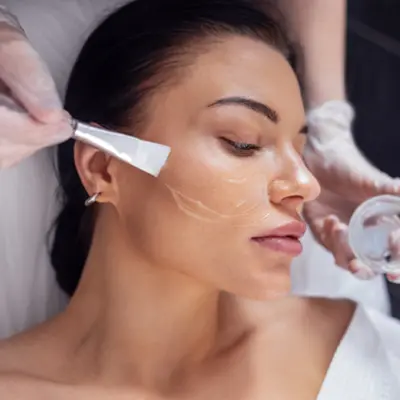
Understanding the Science Behind Chemical Peels
Posted On Apr 25, 2026Discover the benefits of an organic peel for glowing skin, including natural exfoliation, improved texture, and a gentle approach to skincare rejuvenation.
Chemical peels have become one of the most trusted skin rejuvenation treatments for people seeking smoother, brighter, and more even-toned skin. Interest in Best Chemical Peels in Muscat continues to grow as more individuals look for scientifically backed, non-invasive solutions to address pigmentation, acne scars, and signs of aging.
While chemical peels may appear to be a simple exfoliation treatment on the surface, there is actually a fascinating scientific process happening beneath the skin. Understanding how they work helps individuals make informed decisions and appreciate why dermatologists recommend them for various skin concerns.
This article breaks down the science behind chemical peels in a clear, friendly, and easy-to-understand way.
What Are Chemical Peels and Why Are They Used?
A chemical peel is a controlled skin-resurfacing procedure that uses chemical solutions to remove damaged outer skin layers. Once these layers are removed, the skin naturally regenerates, revealing a fresher and healthier appearance.
In places like Muscat, where strong sun exposure is common, skin often faces issues such as:
- Hyperpigmentation
- Sunspots
- Uneven skin tone
- Acne scars
- Dullness and rough texture
This is why Best Chemical Peels in Muscat are frequently sought after—they help repair visible skin damage while improving overall skin health.
Chemical peels are used not only for cosmetic improvement but also for stimulating biological changes in the skin, which makes them scientifically effective.
The Science of Skin Renewal: How Chemical Peels Work
To understand chemical peels, it is important to first understand how the skin naturally renews itself. The skin is made up of multiple layers, with the outermost layer called the epidermis constantly shedding dead cells.
However, with age, sun exposure, and environmental stress, this natural shedding process slows down. This leads to:
- Build-up of dead skin cells
- Dull complexion
- Blocked pores
- Uneven pigmentation
Chemical peels accelerate this natural process by applying controlled chemical solutions that dissolve the bonds holding dead skin cells together. Once these bonds break, the outer layer begins to shed more efficiently.
As the skin heals, it triggers new cell growth, leading to smoother and more even-toned skin.
Types of Chemical Peels and Their Scientific Differences
Not all chemical peels work the same way. Their effectiveness depends on how deeply they penetrate the skin. Dermatologists typically classify them into three main types.
Superficial Peels: Gentle Cellular Exfoliation
Superficial peels target only the outermost layer of the skin. They often use mild acids such as alpha hydroxy acids (AHAs).
Scientifically, these acids:
- Loosen dead skin cells
- Improve hydration levels
- Stimulate mild cell turnover
They are ideal for improving brightness and mild texture issues.
Medium Peels: Deeper Skin Remodeling
Medium-depth peels penetrate further into the epidermis. They typically use stronger acids like trichloroacetic acid (TCA).
At this level, the peel:
- Breaks deeper protein bonds in the skin
- Stimulates collagen production
- Improves pigmentation and fine lines
This makes them a popular choice for individuals exploring Best Chemical Peels in Muscat for more noticeable results.
Deep Peels: Intensive Skin Rebuilding
Deep chemical peels reach the lower layers of the skin. They create a stronger regenerative response.
Scientifically, deep peels:
- Trigger significant collagen remodeling
- Remove damaged skin layers more extensively
- Promote long-term structural improvement
They are used for more severe skin concerns and require careful planning and recovery.
Key Active Ingredients and How They Work on Skin Cells
The effectiveness of chemical peels lies in their active ingredients. Each ingredient interacts with the skin in a specific scientific way.
Some commonly used ingredients include:
- Alpha Hydroxy Acids (AHAs): Work on the skin surface by loosening dead cells and improving moisture retention
- Beta Hydroxy Acids (BHAs): Oil-soluble compounds that penetrate pores and help reduce acne
- Trichloroacetic Acid (TCA): Works deeper to stimulate skin regeneration and collagen production
- Enzymes: Break down proteins in dead skin cells for gentle exfoliation
These ingredients work by disrupting cellular bonds and encouraging controlled skin injury, which then triggers the body’s natural healing response.
Collagen Production and Skin Rejuvenation Process
One of the most important scientific benefits of chemical peels is their ability to stimulate collagen production.
Collagen is a structural protein responsible for:
- Skin firmness
- Elasticity
- Smooth texture
As the skin heals after a chemical peel, fibroblast cells in the dermis become more active. These cells produce new collagen fibers, which help rebuild the skin’s structure.
This process results in:
- Firmer skin
- Reduced fine lines
- Improved skin elasticity
- Healthier overall appearance
This is one of the main reasons chemical peels are considered a scientifically backed anti-aging treatment.
Why Chemical Peels Are Popular in Muscat’s Climate
The climate in Muscat plays a significant role in skin health. High sun exposure, heat, and dryness often lead to premature skin aging and pigmentation issues.
This is why Best Chemical Peels in Muscat are widely used—they help reverse sun-related damage and restore balance to the skin.
From a scientific perspective, chemical peels:
- Remove UV-damaged cells
- Reduce melanin buildup (which causes dark spots)
- Improve skin hydration balance
- Strengthen skin barrier function over time
These benefits make them especially suitable for individuals exposed to harsh environmental conditions.
What Happens During the Skin Healing Process?
After a chemical peel, the skin goes through a structured healing process. This is where the science becomes visible.
The stages typically include:
1. Initial Reaction Phase
The skin may appear red or slightly sensitive as the controlled chemical reaction begins.
2. Shedding Phase
The outer damaged layers start to peel away naturally. This is the body removing compromised skin cells.
3. Regeneration Phase
New skin cells form, and collagen activity increases.
4. Restoration Phase
The skin becomes smoother, brighter, and more even in tone.
Each phase reflects the skin’s biological response to controlled exfoliation and healing stimulation.
Factors That Influence Chemical Peel Results
Several scientific and biological factors affect how well chemical peels work:
- Skin type and thickness
- Depth of the peel used
- Frequency of treatment
- Sun exposure habits
- Post-treatment skincare routine
Consistency and proper aftercare significantly influence long-term results, especially in climates with strong sunlight exposure.
Frequently Asked Questions (FAQs)
1. What is the main scientific principle behind chemical peels?
Chemical peels work by breaking down the bonds between dead skin cells, encouraging controlled exfoliation and stimulating new cell growth.
2. Do chemical peels really stimulate collagen production?
Yes, deeper chemical peels activate fibroblast cells in the dermis, which increases collagen production and improves skin firmness.
3. Are chemical peels safe for all skin types?
Most skin types can safely undergo chemical peels when the correct type and strength are chosen based on individual skin needs.
4. How long does it take for skin to regenerate after a peel?
Skin regeneration typically begins within a few days and continues for one to two weeks depending on the peel depth.
5. Why are chemical peels effective for pigmentation?
They reduce excess melanin buildup and remove damaged skin layers where pigmentation is most visible.
6. Can chemical peels permanently improve skin quality?
Chemical peels can significantly improve skin quality, but maintenance treatments and proper skincare are important for long-term results.
Read More About Chemical Peels: https://www.citymapia.com/muscat/enfield-royal-clinic-oman/blog/are-chemical-peels-worth-it-25083





;)