Enfield Royal Clinic Oman

 Home
Home  About Enfield Royal Clinic Oman
  Treatments
  Make An Enquiry





Are Chemical Peels Worth It for Beginners?
Posted On Apr 25, 2026Discover the benefits of an organic peel for glowing skin, including natural exfoliation, improved texture, and a gentle approach to skincare rejuvenation.
Chemical peels have become one of the most talked-about skin treatments in modern skincare routines, especially among people who want clearer, smoother, and more radiant skin. For beginners, however, the idea of applying a “chemical” solution to the face can feel a bit intimidating. Questions about safety, results, and suitability are common, particularly for those exploring Chemical Peels in Oman, where skincare awareness has grown significantly in recent years.
This article breaks down everything beginners need to know in a simple, friendly, and expert way so they can decide whether chemical peels are truly worth it.
What Are Chemical Peels?
Chemical peels are cosmetic skin treatments designed to exfoliate the outer layers of the skin using specially formulated solutions. These solutions help remove dead skin cells and encourage new skin regeneration underneath. The result is usually fresher, smoother, and more even-toned skin over time.
They are commonly used to improve concerns such as:
- Acne marks and mild acne
- Uneven skin tone
- Fine lines and early signs of aging
- Sun damage
- Dull or rough skin texture
For beginners, it’s important to understand that chemical peels are not a one-size-fits-all treatment. They come in different strengths and formulations, making them suitable for various skin types when chosen carefully.
Why Beginners in Oman Are Interested in Chemical Peels
Interest in Chemical Peels in Oman has increased as skincare routines become more advanced and personalized. The climate in the region, often warm and sunny, can contribute to skin concerns like pigmentation, tanning, and uneven tone. As a result, many beginners look for treatments that offer noticeable improvements without invasive procedures.
Some key reasons beginners consider chemical peels include:
Desire for Quick Skin Refresh
Many people want a treatment that delivers visible results in a relatively short time. Chemical peels are known for providing a fresh glow after just a few sessions.
Targeting Common Skin Concerns
Issues like acne scars, sunspots, and dullness are common, and chemical peels can help improve these concerns gradually.
Non-Surgical Option
Beginners often prefer non-invasive treatments, and chemical peels fall into that category, making them more approachable compared to surgical procedures.
Growing Skincare Awareness
With increasing exposure to skincare information online, more individuals are open to professional treatments that support long-term skin health.
Types of Chemical Peels Beginners Should Know About
Understanding the types of chemical peels helps beginners make informed choices. Generally, they are categorized based on their depth of penetration into the skin.
Light or Superficial Peels
These are the gentlest form of chemical peels and are often recommended for beginners. They typically use mild acids to exfoliate the outermost layer of skin.
They are suitable for:
- Mild acne
- Slight skin dullness
- Minor discoloration
Downtime is minimal, making them ideal for first-timers.
Medium Peels
Medium-strength peels penetrate deeper into the skin and target more noticeable concerns.
They can help with:
- Acne scars
- Moderate pigmentation
- Fine lines
Some recovery time may be needed, and the skin might appear red or flaky temporarily.
Deep Peels
These are more intensive treatments and are usually not recommended for beginners. They work on deeper layers of skin and require longer recovery periods.
They are typically used for:
- Deep wrinkles
- Severe sun damage
- Significant scarring
For most beginners exploring Chemical Peels in Oman, light or mild peels are usually the starting point.
What Beginners Can Expect During the First Chemical Peel
First-time experiences with chemical peels are often simpler than expected. The process is generally straightforward and designed to ensure comfort and safety.
A typical session may include:
Skin Cleansing
The skin is thoroughly cleaned to remove oil, dirt, or makeup so the peel solution can work effectively.
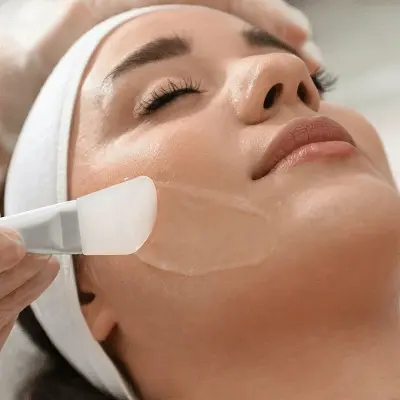
Application of the Peel Solution
A carefully selected chemical solution is applied to the skin for a controlled amount of time. During this step, mild tingling or warmth may be felt.
Neutralization and Removal
The solution is either neutralized or removed after the appropriate time to prevent over-exfoliation.
Post-Treatment Soothing
A calming product is applied to reduce sensitivity and support healing.
After the session, beginners might notice slight redness or dryness, which is usually temporary.
Benefits and Possible Risks of Chemical Peels
Like any skincare treatment, chemical peels come with both benefits and considerations. Understanding both helps beginners set realistic expectations.
Benefits
- Brighter and more radiant skin appearance
- Improved skin texture and smoothness
- Reduced appearance of acne marks and pigmentation
- More even skin tone over time
- Boost in skincare product absorption
Possible Side Effects
- Temporary redness
- Mild peeling or flaking
- Increased skin sensitivity
- Slight dryness
These effects are usually short-lived, especially with lighter peels. Proper aftercare plays a major role in minimizing discomfort and improving results.
Aftercare Tips for First-Time Users
Aftercare is a crucial part of achieving good results from chemical peels. Beginners should follow a gentle skincare routine after treatment to support healing.
Keep Skin Hydrated
Moisturizing regularly helps restore the skin barrier and reduces dryness.
Avoid Sun Exposure
The skin becomes more sensitive after a peel, so sun protection is essential. Using sunscreen is highly recommended.
Skip Harsh Products
Strong exfoliants, retinoids, and abrasive scrubs should be avoided for a few days.
Be Gentle with the Skin
Avoid rubbing, scratching, or picking at peeling skin to prevent irritation or scarring.
Follow Professional Guidance
Each skin type reacts differently, so following personalized advice ensures better results.
Are Chemical Peels Worth It for Beginners?
For many beginners, chemical peels can be absolutely worth it when done correctly and with proper expectations. The key lies in choosing the right type of peel and ensuring it matches individual skin needs.
In the context of Chemical Peels in Oman, beginners often find them especially helpful due to common concerns like sun exposure effects, uneven tone, and dull skin. When introduced gradually, chemical peels can be a safe and effective way to improve overall skin health.
However, they are not an instant miracle solution. Results typically improve over time with consistent sessions and proper skincare habits. Beginners who understand this tend to have more satisfying experiences.
Ultimately, chemical peels are worth considering for those who want:
- Gradual but visible skin improvement
- A non-invasive treatment option
- A solution for common skin concerns like pigmentation or acne marks
Frequently Asked Questions (FAQs)
1. Are chemical peels safe for beginners?
Yes, chemical peels are generally safe for beginners when done using mild formulations and proper skin evaluation. Starting with lighter peels is usually recommended.
2. How long does it take to see results from a chemical peel?
Some people notice a glow after the first session, but noticeable improvements in texture and tone typically appear after multiple sessions.
3. Do chemical peels hurt?
Most beginners experience only mild tingling or warmth during the procedure. Discomfort is usually minimal and temporary.
4. How often should beginners get chemical peels?
The frequency depends on skin type and peel strength, but mild peels are often spaced a few weeks apart for best results.
5. Can chemical peels help with acne scars?
Yes, certain types of chemical peels can help reduce the appearance of mild acne scars over time by promoting skin renewal.
6. Is downtime required after a chemical peel?
Light peels usually require little to no downtime, while medium peels may involve a few days of mild peeling or redness.
Read More About Chemical Peels: https://www.citymapia.com/muscat/enfield-royal-clinic-oman/blog/do-chemical-peels-actually-25063






;)