Enfield Royal Clinic Oman

 Home
Home  About Enfield Royal Clinic Oman
  Treatments
  Make An Enquiry





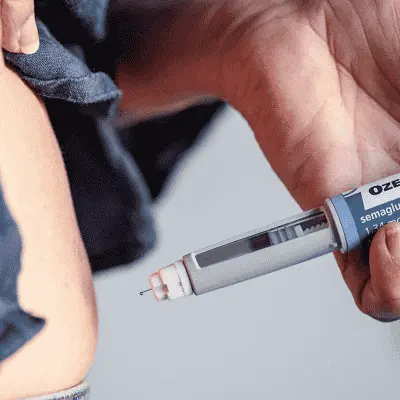
What Happens When You Stop Taking Ozempic?
Posted On Dec 9, 2025Ozempic is a prescription medication used to improve blood sugar control in adults with type 2 diabetes and supports weight management.
Ozempic has become a popular medication for managing type 2 diabetes and supporting weight loss. Known for its effectiveness in regulating blood sugar and suppressing appetite, many individuals have turned to it as part of a healthier lifestyle. However, a common question arises: what happens when you stop taking Ozempic? Understanding the effects, potential side effects, and ways to manage your health after discontinuing the medication is crucial for anyone considering a pause or stopping their regimen. This article explores these aspects in detail while offering helpful insights.
For those considering starting or stopping Ozempic, knowing the Ozempic Oman Price can help in planning. While prices vary depending on availability and pharmacy, understanding the cost helps patients make informed decisions about ongoing treatment versus discontinuation. It's essential to weigh the benefits against costs and plan accordingly.
Understanding Ozempic and Its Purpose
Ozempic is a glucagon-like peptide-1 (GLP-1) receptor agonist that helps lower blood sugar levels in people with type 2 diabetes. It also slows gastric emptying, which helps reduce appetite and encourages weight loss. Many patients find it beneficial not only for controlling diabetes but also for improving overall metabolic health.
While the medication is effective, it is not a permanent cure. Its benefits are largely dependent on continued use alongside a healthy diet and exercise routine. Understanding this sets the stage for knowing what might happen when someone stops taking it.
Immediate Effects After Stopping Ozempic
When someone discontinues Ozempic, changes can occur relatively quickly. One of the first noticeable effects may be an increase in appetite. Since Ozempic helps reduce hunger by affecting certain hormones, stopping it can lead to the return of previous hunger levels, which might result in increased calorie intake.
Blood sugar levels can also rise after stopping Ozempic. This is because the drug helps regulate insulin and glucagon, two hormones that control blood sugar. Without the medication, these hormones may not function as effectively, potentially leading to elevated glucose levels, especially in individuals with type 2 diabetes.
Weight Changes and Metabolism
Weight management is another area that can be affected. Many people experience weight loss while taking Ozempic due to appetite suppression and slower gastric emptying. Once the medication is stopped, these effects diminish, and weight regain can occur if lifestyle adjustments are not maintained.
It is important to note that weight changes are not solely caused by the medication. Diet, physical activity, and overall metabolism also play significant roles. Maintaining healthy habits can help minimize weight gain after discontinuing Ozempic.
Long-Term Health Considerations
Stopping Ozempic without proper planning can have long-term health implications. For individuals with type 2 diabetes, blood sugar spikes may increase the risk of complications such as heart disease, kidney issues, and nerve damage.
Therefore, it is recommended to monitor blood glucose levels closely after stopping the medication and adjust lifestyle routines accordingly. Regular exercise, balanced nutrition, and routine health check-ups can help maintain stability and reduce risks.
Tips for Managing Health After Discontinuation
Monitor Blood Sugar Levels: Keeping a close eye on glucose readings helps detect changes early. This allows timely adjustments to diet, exercise, or alternative medications.
Maintain a Balanced Diet: Focus on nutrient-dense foods, adequate protein intake, and fiber-rich vegetables. These help regulate blood sugar and curb appetite naturally.
Stay Active: Regular physical activity improves insulin sensitivity and supports weight management. Activities like walking, swimming, or strength training are beneficial.
Hydrate and Manage Stress: Adequate water intake and stress-reducing practices, such as meditation or yoga, can positively impact metabolic health.
Gradual Lifestyle Adjustments: Avoid sudden drastic changes. Small, consistent habits are more sustainable for long-term health and weight control.
FAQs About Stopping Ozempic
1. Will I gain weight immediately after stopping Ozempic?
Weight regain can occur gradually as appetite returns to pre-treatment levels. It’s not immediate for everyone but can be managed with a healthy lifestyle.
2. How quickly do blood sugar levels rise after discontinuing Ozempic?
This varies among individuals. Some may notice changes within days, while others may take weeks. Regular monitoring is key to managing any spikes.
3. Can I stop Ozempic without side effects?
Some people experience mild side effects like nausea, increased hunger, or digestive changes. These are generally temporary but should be monitored.
4. Is there an alternative if I stop taking Ozempic?
Lifestyle modifications, diet, exercise, and other diabetes medications can help manage blood sugar. Consultation with a healthcare professional is recommended for personalized advice.
5. Will stopping Ozempic affect my heart health?
Ozempic can provide cardiovascular benefits for people with type 2 diabetes. Stopping it may reduce these benefits, making lifestyle management and monitoring even more important.
6. How can I prevent blood sugar spikes after stopping Ozempic?
Gradually implementing dietary changes, staying active, and regularly monitoring blood sugar can help minimize spikes.
7. Can Ozempic be restarted if needed?
Yes, in many cases, Ozempic can be resumed under medical supervision. A healthcare provider can determine the appropriate timing and dosage.
Final Thoughts
Stopping Ozempic is not a decision to take lightly. While it can be done safely, understanding the potential effects on appetite, weight, and blood sugar levels is crucial. By monitoring health, maintaining lifestyle habits, and seeking guidance when necessary, individuals can manage the transition effectively. Awareness of Ozempic Oman Price also allows for better planning for those considering either continuing or discontinuing treatment.
Ultimately, the key is balance. Ozempic can be a powerful tool for diabetes and weight management, but sustaining health after discontinuation requires proactive effort and a mindful approach.








;)