Enfield Royal Clinic Oman

 Home
Home  About Enfield Royal Clinic Oman
  Treatments
  Make An Enquiry





Why Do People Go to a Dermatologist for Acne
Posted On Jan 22, 2026Expert dermatologist providing advanced skin care, acne treatment, anti-aging solutions, and personalized dermatology services for healthy, glowing skin.
Acne is one of the most common skin concerns worldwide, affecting teens and adults alike. While over-the-counter products and home remedies can sometimes help, many individuals seek the expertise of a dermatologist to achieve clearer, healthier skin. Consulting the Dermatologist in Oman can provide personalized treatment, professional guidance, and long-term solutions. This article explores why people turn to dermatologists for acne, how treatments work, and what to expect during care.
Understanding Acne and Its Causes
Acne develops when hair follicles become clogged with oil, dead skin cells, and bacteria. It can manifest as whiteheads, blackheads, pustules, or cysts and is often influenced by hormonal changes, stress, diet, genetics, and environmental factors. While mild acne might resolve on its own, persistent or severe acne can lead to scarring, pigmentation issues, and psychological effects like reduced self-confidence.
A dermatologist in Oman explains that acne is not simply a cosmetic issue—it is a medical condition that requires proper diagnosis and tailored treatment. Each patient’s skin type, severity, and triggers are carefully evaluated to design an effective care plan.
Why Professional Care Matters
Many people try over-the-counter creams or natural remedies before seeking professional help, but these approaches do not always address the underlying causes of acne. A dermatologist provides:
Accurate Diagnosis: Differentiating between acne and other skin conditions like rosacea or folliculitis ensures appropriate treatment.
Personalized Treatment Plans: Each patient receives recommendations based on skin type, severity, and lifestyle factors.
Long-term Solutions: Professional care focuses not only on clearing current breakouts but also preventing future ones and reducing scarring.
Visiting the best dermatologist in Oman gives patients access to advanced treatments that are often more effective than generic solutions.
Common Dermatologist Treatments for Acne
Dermatologists employ a variety of treatments depending on the type and severity of acne. Some common approaches include:
Topical Medications
Topical treatments are often the first line of defense. These may include retinoids, benzoyl peroxide, or antibiotics, which help reduce inflammation, clear clogged pores, and control bacterial growth. A dermatologist carefully chooses the right combination to maximize results while minimizing side effects.
Oral Medications
For moderate to severe acne, oral medications may be prescribed. These include antibiotics, hormonal therapies for women, or isotretinoin for persistent cases. Oral treatments work systemically to address inflammation and hormonal triggers that topical creams alone cannot resolve.
Professional Procedures
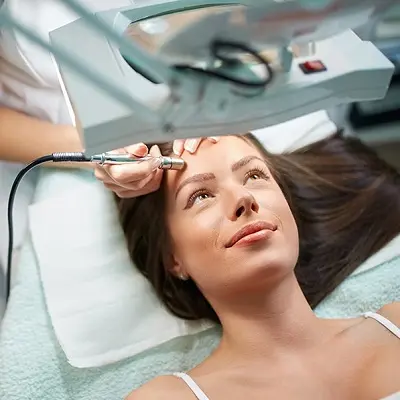
Dermatologists may offer procedures like chemical peels, laser therapy, or light-based treatments to reduce acne and prevent scarring. These treatments also help improve skin texture, pigmentation, and overall appearance.
Addressing Acne Scars and Pigmentation
Even after active breakouts are managed, acne scars and dark spots can persist. Dermatologists provide treatments specifically aimed at improving these concerns:
Microneedling: Stimulates collagen production to reduce scar depth.
Laser Therapy: Targets pigmentation and uneven skin texture.
Topical Treatments: Creams with retinoids or hydroquinone help fade dark spots and smooth the skin.
By combining active acne treatment with scar management, patients achieve long-lasting results and healthier-looking skin.
The Psychological Benefits of Consulting a Dermatologist
Acne is not just a physical condition—it can affect mental well-being. Persistent breakouts may lead to low self-esteem, social anxiety, or stress. Consulting a dermatologist in Oman can provide reassurance and professional guidance, helping patients regain confidence and feel empowered in their skincare journey.
A dermatologist not only treats the skin but also educates patients about proper skincare routines, triggers to avoid, and realistic expectations for improvement, creating a supportive environment for overall wellness.
Tips for Maintaining Clear Skin
In addition to professional treatments, dermatologists often recommend lifestyle adjustments to support acne-free skin:
Gentle Cleansing: Use mild, non-comedogenic cleansers twice daily.
Moisturizing: Hydrate skin with oil-free moisturizers to prevent irritation.
Sun Protection: Daily use of sunscreen protects healing skin and prevents pigmentation.
Healthy Diet: Limiting sugary and high-glycemic foods may reduce flare-ups.
Avoid Picking or Squeezing: Manipulating acne can worsen inflammation and cause scars.
Following these habits, along with dermatologist-recommended treatments, maximizes the chances of long-term clear skin.
When to See a Dermatologist
Not all acne requires a professional visit, but certain situations indicate it is time to consult the best dermatologist in Oman:
Acne persists despite over-the-counter treatments
Breakouts are severe, painful, or cystic
Scarring or dark spots develop
Acne impacts confidence, work, or social life
Hormonal fluctuations trigger consistent flare-ups
Early intervention prevents complications and ensures a tailored treatment approach.
FAQs About Acne Treatment
1. Can acne be completely cured?
While acne may not have a universal cure, professional treatment can significantly control breakouts and reduce scarring. Many patients achieve long-term clear skin with proper care.
2. Are dermatology treatments safe for teenagers?
Yes, dermatologists customize treatments for all ages. Mild topical medications are often used first, while oral therapies are carefully monitored.
3. How long does it take to see results from professional acne treatment?
Results vary depending on severity and treatment type. Mild acne may improve in a few weeks, while severe cases may require several months of consistent care.
4. Is laser treatment effective for acne scars?
Yes, laser therapy is effective for reducing both pigmentation and scar depth. Dermatologists may combine it with other treatments for optimal results.
5. Can diet really affect acne?
Certain foods, especially high-glycemic or dairy-rich foods, may trigger breakouts in some individuals. Dermatologists may provide dietary advice as part of a comprehensive plan.
6. Should I stop all skincare products when seeing a dermatologist?
Not necessarily. A dermatologist will advise which products to continue or replace to avoid irritation and improve results.
Conclusion
Acne is a common yet complex skin condition that often benefits from professional care. Consulting the best dermatologist in Oman provides accurate diagnosis, personalized treatment, and long-term management to achieve clearer, healthier skin. Beyond physical treatment, dermatologists guide patients through skincare routines, scar prevention, and lifestyle adjustments, offering a comprehensive approach. Early intervention, consistent care, and expert guidance empower individuals to manage acne effectively while maintaining confidence and skin health.






;)