Phoenix Tent and Awning Company

Phoenix, Arizona
 Home
Home  About Phoenix Tent and Awning Company
  Products
  Make An Enquiry


Copyright © 2026 Citymapia.com. All Rights Reserved
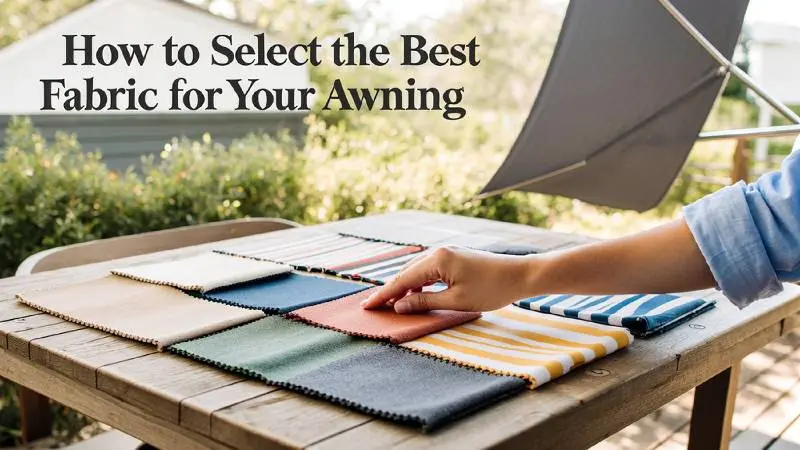
How to Select the Best Fabric for Your Awning
Posted On Jul 26, 2026Learn how to choose the best awning fabric based on durability, UV protection, weather resistance, maintenance, and style for long lasting performance.
When investing in a custom outdoor shade structure, choosing the right support framework is only half the battle. The true workhorse of your shading system is the textile material stretched across it. In the Valley of the Sun, where summer temperatures regularly cross 110 degrees, your choice of fabric makes the difference between an outdoor sanctuary and a faded, torn cover that fails after a single season.
Finding the best awning fabric for Arizona homes and businesses requires a careful balance of aesthetics, physics, and material science. The intense ultraviolet radiation, seasonal monsoon downpours, and violent haboob dust storms place immense stress on exterior materials.
At Phoenix Tent and Awning Company, we have been guiding local property owners through these exact choices for generations. In this ultimate guide, we will break down the primary awning fabric types, evaluate options for business and residential needs, and help you select the ultimate high-performance patio shade fabric for your next installation.
1. Navigating Modern Awning Fabric Types
To choose the perfect shade textile, you must first understand the primary options available in the modern manufacturing marketplace. Different materials offer distinct trade-offs in terms of breathability, water resistance, and overall longevity.
Solution-Dyed Acrylics
Solution-dyed acrylic is widely regarded as the premium gold standard for modern sun protection. Unlike traditional fabrics where the yarn is woven first and dyed later, solution-dyed acrylics have the liquid color pigments introduced while the synthetic fibers are still in a semi-liquid state. The color goes completely through the core of every single thread rather than sitting strictly on the surface.
This unique manufacturing process ensures that the material offers incredible resistance to fading under our punishing desert sun. Additionally, acrylic fibers are highly breathable. Air flows naturally through the woven canvas structure, preventing hot ambient air from getting trapped beneath your canopy.
Vinyl-Coated and Laminated Polyesters
If your primary concern is complete water protection or an easy-to-clean glossy appearance, vinyl composites are an excellent alternative. These fabrics feature a strong inner core of polyester mesh layered between sheets of durable polyvinyl chloride vinyl.
The resulting material is completely waterproof, highly flame-retardant, and exceptionally strong. While they do not breathe as easily as acrylics, they stand up perfectly to heavy physical wear and tear.
High-Density Polyethylene (HDPE) Mesh
Often referred to as shade cloth, HDPE mesh features a heavy-duty knit pattern designed specifically for architectural tension structures and modern roll screens. Instead of blocking out all sunlight, this material uses precise openness factors to filter light while allowing cool breezes to pass through, making it a stellar candidate for modern backyard patios.
2. Choosing Residential Awning Fabric for Comfort and Style
For homeowners looking to maximize outdoor livability, selecting the ideal residential awning fabric is all about blending design flair with effective temperature control.
Maximizing Energy Savings
An exterior fabric awning over a window can reduce solar heat gain in your home by up to 77% on west-facing windows. Woven acrylic fabrics excel in this area. Because they stop the sun's rays from hitting the glass pane while allowing hot air to escape upward through the weave, they keep your interior spaces cool and reduce your monthly air conditioning costs.
Coordinating Color Schemes
Your fabric color choice affects both style and performance. Darker tones like deep navy, charcoal, or forest green absorb more solar energy but offer superior glare reduction and excellent visibility looking out. Conversely, lighter shades like beige, cream, or soft gray reflect more radiant heat away from the home but require more frequent cleaning to maintain their pristine look against blowing desert dust.
3. Selecting Commercial Awning Fabric for Durability and Impact
Business owners operate under a completely different set of structural demands and regulatory codes. Selecting a premium commercial awning fabric requires an emphasis on structural strength and fire safety.
Meeting Local Fire Codes
Commercial buildings are subject to strict municipal building regulations. Most commercial applications require fabrics that pass rigorous fire resistance standards, such as the National Fire Protection Association (NFPA) 701 testing. Vinyl-coated polyesters and specially treated acrylics carry these necessary fire-retardant ratings, ensuring your business stays compliant with local fire marshals.
Branding and Lettering Compatibility
Your storefront awning is a powerful outdoor billboard. If you plan to add high-resolution corporate logos, phone numbers, or custom graphic lettering, vinyl-laminated fabrics or smooth, stable composites are generally the best choice. These surfaces allow for seamless heat-sealed vinyl transfers or crisp screen-printing applications that will not peel or crack under intense summer heat.
4. The Critical Role of Patio Shade Fabric in Outdoor Spaces
When shading large open expanses like pool decks, outdoor dining areas, or custom pergolas, your selection of patio shade fabric dictates how usable that space will be during July and August.
For Full Overhead Protection: A solid vinyl-coated fabric or a heavily tightly woven acrylic canopy creates a true outdoor room, blocking 98% of UV radiation and providing absolute protection from sudden rain showers.
For Open Breezeways: An HDPE mesh cloth is the perfect option for architectural sail shades or retractable vertical screens. It filters out the blinding desert glare while allowing warm air to circulate freely rather than pooling underneath the structure.
Summary of Awning Fabric Performance
Fabric Type | Best Used For | UV Protection | Breathability | Water Resistance |
Solution-Dyed Acrylic | Residential Patios, Retail Storefronts | Exceptional | Very High | Water Repellent |
Vinyl-Coated Polyester | Commercial Canopies, Graphic Branding | High | Low | 100% Waterproof |
HDPE Mesh Cloth | Tension Sails, Vertical Drop Shades | High to Medium | Maximum | Water Permeable |
Frequently Asked Questions (FAQ)
How long does high-quality awning fabric typically last in the Arizona climate?
When fabricated from premium materials like solution-dyed acrylic or commercial-grade vinyl, you can expect an awning fabric to last anywhere from eight to twelve years in our desert climate. The structural metal frames themselves are designed to last for decades, meaning you will only need to perform a fabric recover down the road.
How do I prevent my custom awning fabric from fading in the intense sun?
The best way to prevent fading is to invest in solution-dyed fabrics from the start. Because the color pigments are baked directly into the core of the synthetic fibers during manufacturing, these materials hold their vibrant colors significantly longer than traditional dip-dyed or painted fabrics.
What is the best way to clean and maintain my exterior patio shade fabric?
Maintaining your fabric is straightforward. We recommend hosing down your shades once a month with clean water to remove abrasive desert dust, pollen, and debris. For a deeper clean, use a soft-bristled brush, a mild mixture of natural soap and lukewarm water, rinse thoroughly, and always allow the fabric to air dry completely before rolling it up.
Can fabric awnings handle the heavy winds of a Phoenix monsoon?
Premium fabrics are engineered to withstand substantial wind loads, but retractable systems should always be rolled up into their protective casings before a major storm arrives. For permanent fixed commercial frames, heavy-duty vinyl and tensioned acrylics are anchored firmly to handle typical high-velocity valley gusts safely.
Is waterproof fabric always better than water-repellent fabric?
Not necessarily. A 100% waterproof vinyl fabric is excellent for commercial entrances or rainy climates, but it lacks breathability, which can trap heat underneath the awning on a still day. For most Arizona residential patios, a breathable, water-repellent solution-dyed acrylic provides a much cooler and more comfortable outdoor experience.
Ready to find the perfect shade solution for your property? Contact the local design experts at Phoenix Tent and Awning Company today to schedule your custom fabric consultation!
Know more https://www.phoenixtent.com/blog/best-awning-fabric/