Comtech Systems

Ernakulam, Kerala
 Home
Home  About Comtech Systems
  service
  Make An Enquiry





Copyright © 2026 Citymapia.com. All Rights Reserved
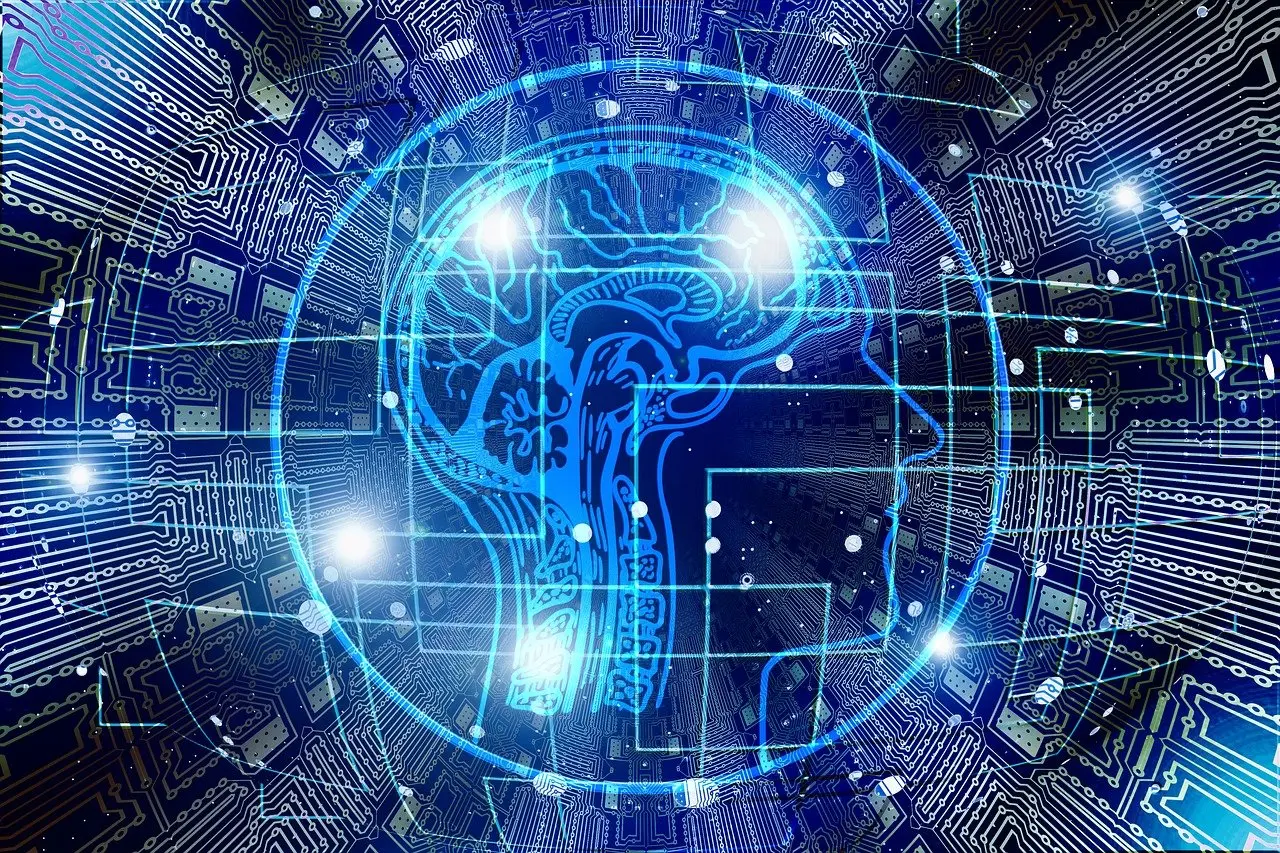
Can Hackers Use AI to Steal Your Data?
Posted On Feb 10, 2025Artificial intelligence (AI) has transformed how people interact with technology, improving cybersecurity procedures to safeguard sensitive information. However, hackers have started to use AI to launch more complex cyberattacks. This raises a critical question: may hackers use AI to steal your information? In this post, we will look at how hackers utilize AI, the threats it brings, and how individuals and businesses may defend themselves against AI-driven attacks.
How Hackers Use AI for Cyberattacks
AI-powered hacking methods have evolved significantly, making it easier for attackers to execute large-scale cyberattacks. Some of the ways AI is used in cybercrime include:
1. Automated Phishing Attacks
Artificial intelligence has enabled more sophisticated phishing attempts. Cybercriminals utilize AI-powered chatbots and language models to create incredibly convincing phishing emails that appear to come from reputable sources. AI can examine previous email conversations to personalize communications, increasing the likelihood of victims falling for frauds.
2. Deepfake Technology for Social Engineering
Deepfake AI can generate realistic audio and video clips, enabling hackers to impersonate executives, celebrities, or even close contacts. This can be used to manipulate individuals into revealing confidential information or authorizing fraudulent transactions.
3. AI-Powered Malware and Ransomware.
AI-enhanced malware can learn and adapt to security protections, making detection and mitigation more challenging. Ransomware assaults, which prevent users from accessing their systems until a ransom is paid, can now be enhanced with AI to identify high-value targets and execute attacks more quickly.
4. Credential Stuffing and Password Cracking
Hackers use AI to automate credential stuffing attacks, where stolen username-password combinations are tested against multiple platforms. AI algorithms can predict and generate password variations, significantly increasing the success rate of brute-force attacks.
5. Bypassing CAPTCHA and Security Mechanisms
AI-driven bots are now capable of bypassing CAPTCHA systems designed to differentiate humans from bots. This allows attackers to automate fraudulent activities on websites, including fake account registrations and data scraping.
The Risks of AI-Powered Cybercrime
The inclusion of AI into cyberattacks poses three major risks:
. Increased Attack Sophistication: Artificial intelligence allows attackers to create highly tailored and adaptive attacks that traditional security solutions fail to counter.
. Automation allows hackers to swiftly scale attacks, affecting thousands, if not millions, of victims at the same time.
. Lower Entry Barrier for Hackers: AI-powered hacking tools reduce the technical knowledge required to start cyberattacks, making cybercrime more accessible to a broader audience.
How to Defend Against AI-Powered Attacks
To keep up with AI-driven cyber threats, organizations and people must deploy proactive security measures:
1. Advanced AI-powered cybersecurity solutions.
Organizations can utilize AI-based cybersecurity systems to detect and mitigate risks in real time, just like hackers do. Machine learning models can monitor network data, detect irregularities, and prevent intrusions before they happen.
2. Multi-factor authentication (MFA).
MFA increases security by requiring multiple kinds of verification before providing access. This makes it more difficult for hackers to get illegal access, even if they possess stolen login credentials.
3. Employee Training and Awareness.
Organizations should train staff to recognize AI-enhanced phishing efforts and social engineering strategies. Regular training sessions can help limit the possibility of human mistake resulting in a security breach.
4. Zero-Trust Security Model
Adopting a Zero Trust approach assures that no entity, whether inside or outside the network, is automatically trusted. Continuous verification and stringent access controls help to mitigate the impact of prospective threats.
5. Keeping software and security systems updated.
Regular software updates, such as antivirus applications and firewalls, can assist protect against AI-driven threats. Patch management is critical for addressing vulnerabilities that hackers may exploit.
Future of AI in Cybersecurity
While AI presents significant risks in the hands of cybercriminals, it also offers promising advancements in cybersecurity. Organizations must continue to invest in AI-driven defense mechanisms to outpace evolving cyber threats. Ethical AI development and international cooperation will be key in preventing AI misuse in the cyber domain. Hackers are increasingly leveraging AI to automate and enhance cyberattacks, making traditional security methods less effective. However, by adopting AI-powered security solutions, implementing strict authentication measures, and fostering cybersecurity awareness, individuals and organizations can stay ahead of AI-driven threats. The battle between AI-powered attacks and AI-driven defense will shape the future of cybersecurity, and proactive strategies are essential in ensuring data protection.






;)