Comtech Systems

Ernakulam, Kerala
 Home
Home  About Comtech Systems
  service
  Make An Enquiry





Copyright © 2026 Citymapia.com. All Rights Reserved
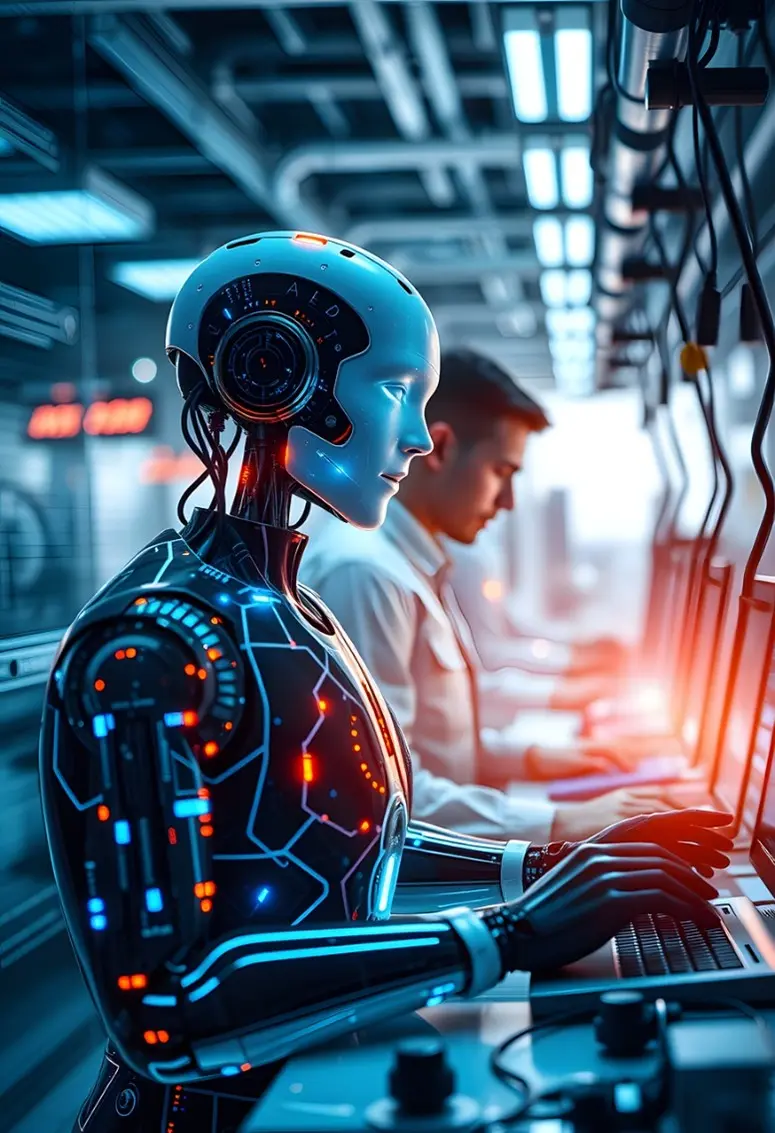
Will AI Replace Cybersecurity Analysts?
Posted On Jan 21, 2025In today's digital age, cybersecurity is more vital than ever. With the continued proliferation of cyber threats, businesses are seeking to implement the strongest security solutions to secure their data and networks. However, as technology improves, the question arises: Will AI eventually replace cybersecurity analysts? While artificial intelligence (AI) has unquestionably altered many industries, it is vital to understand its influence on cybersecurity and the unique contributions that human analysts provide.
AI Can Enhance Cybersecurity, But Not Replace Human Analysts
Artificial intelligence is gaining traction in the cybersecurity area, providing a variety of solutions that aid in threat identification, response, and prevention. AI-powered software can process massive volumes of data in real time, detecting patterns and abnormalities that human eyes might miss. Machine learning algorithms can find new attack vectors using previous data and predict possible system weaknesses. While AI is an effective tool, it cannot replace the work of cybersecurity experts, who bring a distinct set of skills and judgment to the table.
AI's Capabilities in Cybersecurity
Threat Detection and Response: One of the primary benefits of AI in cybersecurity is its ability to detect anomalies and potential threats faster than human analysts. Machine learning algorithms can analyze enormous amounts of data, flagging suspicious activities within milliseconds. AI-powered solutions such as intrusion detection systems (IDS) and firewalls can automatically respond to threats by blocking malicious traffic or isolating compromised systems, reducing the need for human intervention in certain cases.
Automation of Repetitive Tasks: Cybersecurity analysts spend a significant amount of time monitoring systems, performing routine maintenance, and responding to alerts. AI can automate many of these repetitive tasks, allowing analysts to focus on more strategic issues. For instance, AI can handle tasks like patch management, malware scanning, and log analysis, streamlining the workflow and improving efficiency.
Predictive Capabilities: AI is excellent at recognizing patterns in large volumes of data, making it ideal for predictive cybersecurity. Machine learning allows AI to assess prior attack trends, detect new threats, and anticipate future weaknesses before they are exploited. This enables businesses to proactively build their defenses and minimize hazards before they turn into full-fledged cyberattacks.
Real-time Monitoring: AI-driven cybersecurity tools are constantly learning and adapting to new threats. They can monitor networks in real time, immediately identifying any suspicious behavior. This level of vigilance is particularly valuable in an era where cyber threats are constantly evolving and becoming more sophisticated.
AI as a Complement, Not a Replacement
While AI is an indispensable tool in the cybersecurity industry, it is unlikely to replace human analysts entirely. Instead, AI should be seen as a complement to human expertise, enhancing analysts’ capabilities rather than replacing them.
Cybersecurity analysts bring a wealth of experience, intuition, and creativity to the table—qualities that AI cannot replicate. Human professionals can assess complex, multi-faceted threats, understand the context surrounding them, and make decisions based on factors beyond data patterns. They can also engage in creative problem-solving, developing innovative strategies to protect systems against emerging threats.
Moreover, the cybersecurity landscape is not just about technology—it’s also about human behavior. Many cyberattacks, such as phishing or social engineering, rely on manipulating human emotions or exploiting trust. AI is limited in understanding human psychology and behavior, which makes human analysts crucial in identifying and defending against these types of attacks. While AI can help spot suspicious activities, it takes human analysts to investigate and respond effectively to threats that involve human interaction.
Additionally, AI lacks the ethical and legal awareness that cybersecurity analysts possess. Analysts need to make decisions that are aligned with both the technical and regulatory aspects of cybersecurity. They are also responsible for ensuring that the use of AI and other technologies in the organization complies with privacy laws and ethical standards. AI, on the other hand, cannot make ethical decisions or navigate complex legal frameworks, leaving this responsibility firmly in the hands of human professionals.
The Future of Cybersecurity Roles
The future of cybersecurity is undoubtedly intertwined with AI, but this doesn’t mean that cybersecurity analysts will become obsolete. In fact, the increasing use of AI in cybersecurity is likely to create new opportunities for professionals in the field. Analysts will need to adapt to the changing landscape by gaining expertise in AI technologies and understanding how to integrate them into their workflows.
Cybersecurity analysts will also shift toward more strategic roles, focusing on complex problems that AI cannot solve. As AI takes over routine tasks, analysts will have more time to focus on identifying and mitigating advanced threats, conducting penetration testing, and developing robust security policies. They will become more involved in shaping the future of cybersecurity by using AI tools to enhance their decision-making and response strategies.
Predictive Capabilities: AI is excellent at recognizing patterns in large volumes of data, making it ideal for predictive cybersecurity. Machine learning allows AI to assess prior attack trends, detect new threats, and anticipate future weaknesses before they are exploited. This enables businesses to proactively build their defenses and minimize hazards before they turn into full-fledged cyberattacks.
Artificial intelligence is gaining traction in the cybersecurity area, providing a variety of solutions that aid in threat identification, response, and prevention. AI-powered software can process massive volumes of data in real time, detecting patterns and abnormalities that human eyes might miss. Machine learning algorithms can find new attack vectors using previous data and predict possible system weaknesses. While AI is an effective tool, it cannot replace the work of cybersecurity experts, who bring a distinct set of skills and judgment to the table.







;)