Enfield Royal Clinic Oman

 Home
Home  About Enfield Royal Clinic Oman
  Treatments
  Make An Enquiry





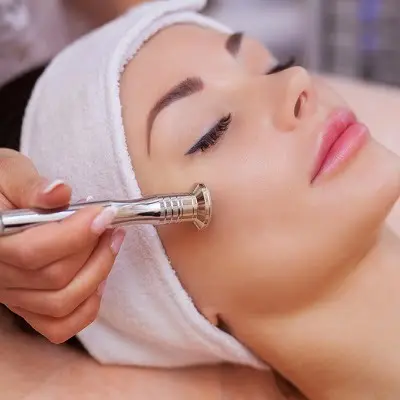
Benefits of an Organic Peel for First-Time Users
Posted On May 16, 2026Discover the benefits of Organic Peel, a natural skin treatment that gently exfoliates, renews skin cells, and reveals a brighter, smoother complexion.
An Organic Peel has become an increasingly popular choice among individuals looking for a gentle yet effective way to improve skin health and appearance. Unlike more aggressive chemical-based treatments, this approach focuses on natural, plant-derived ingredients that work with the skin rather than against it. For first-time users, it is often seen as an approachable introduction to professional skincare treatments, especially for those who want visible results without excessive irritation or downtime.
This article explores what an Organic Peel is, how it works, and why it is gaining attention among skincare enthusiasts. It also highlights its benefits, what to expect during the process, and how to care for the skin afterward.
What Is an Organic Peel?
An Organic Peel is a skin-rejuvenating treatment that uses naturally derived ingredients such as fruit enzymes, botanical extracts, and plant acids to exfoliate the skin. The goal is to gently remove dead skin cells from the surface, allowing fresh, healthier skin to emerge underneath.
Unlike traditional chemical peels that may rely on stronger synthetic acids, an Organic Peel is designed to be milder and more skin-friendly. It focuses on nourishing the skin while encouraging natural renewal. This makes it particularly appealing for individuals with sensitive skin or those trying exfoliation treatments for the first time.
The treatment is commonly used to improve overall skin texture, promote a brighter complexion, and support long-term skin health.
How Organic Peel Works on the Skin
The process behind an Organic Peel is rooted in controlled exfoliation. The natural ingredients used in the peel gently break down the bonds that hold dead skin cells on the surface. Once these cells are loosened, they naturally shed over time, revealing fresher skin beneath.
At the same time, many organic ingredients provide hydration and nutrients to the deeper layers of the skin. For example, fruit enzymes derived from papaya or pineapple help dissolve dull surface cells, while botanical extracts may soothe and calm the skin during the process.
Because the formula is typically milder than traditional peels, the skin experiences a more gradual renewal process. This reduces the likelihood of harsh reactions while still encouraging visible improvements in tone and texture.
Key Benefits of Organic Peel for First-Time Users
First-time users often choose an Organic Peel because it offers a balanced combination of effectiveness and gentleness. It does not overwhelm the skin, making it suitable for those who are cautious about trying exfoliation treatments.
Gentle on Sensitive Skin
One of the most important benefits is its compatibility with sensitive skin types. Many individuals worry about redness or irritation when trying exfoliation treatments for the first time. An Organic Peel is formulated to minimize discomfort while still delivering noticeable improvements.
Improves Skin Texture and Smoothness
Over time, dead skin cells, pollution, and daily buildup can make the skin feel rough or uneven. An Organic Peel helps smooth the skin’s surface, leaving it softer and more refined. First-time users often notice an immediate difference in how their skin feels after treatment.
Enhances Natural Glow
Dull skin is a common concern, especially due to stress, lack of sleep, or environmental factors. By removing dead skin layers, an Organic Peel allows the skin’s natural radiance to show through. The result is a fresher, healthier-looking glow that appears more vibrant and youthful.
Supports Even Skin Tone
Uneven skin tone, mild discoloration, or patchiness can be improved with consistent treatments. Organic ingredients often contain natural brightening properties that help balance the complexion over time, making the skin appear more uniform.
Hydrating and Nourishing Effect
Unlike some exfoliation methods that may leave the skin feeling dry, an Organic Peel often includes hydrating ingredients. These help maintain moisture balance while exfoliating, leaving the skin feeling refreshed rather than stripped.
Minimal Downtime
For first-time users, the idea of downtime can be a concern. One of the appealing aspects of an Organic Peel is that it typically requires little to no recovery time. Users can often return to their daily routine shortly after treatment.
Ideal Candidates for an Organic Peel
An Organic Peel is suitable for a wide range of skin types and concerns, making it a versatile option for many individuals. First-time users who are unsure about how their skin might react to exfoliation treatments often find this option reassuring.
It is especially suitable for individuals who:
- Have mild skin dullness or uneven texture
- Want a gentle introduction to professional exfoliation
- Experience minor dryness or rough patches
- Prefer natural or plant-based skincare approaches
- Have sensitive skin that reacts to stronger treatments
However, results may vary depending on skin type and consistency of care. A gradual approach is often recommended for those new to skincare treatments.
What to Expect During an Organic Peel Treatment
For first-time users, understanding the process can help ease uncertainty. An Organic Peel session is typically straightforward and comfortable.
The skin is first cleansed to remove surface impurities. Then, the organic solution is applied evenly across the face or targeted area. During application, a mild tingling sensation may be felt, which is generally considered normal and temporary.
The peel is left on the skin for a specific period depending on the formulation and skin sensitivity. Afterward, it is gently removed, and soothing products are applied to calm and hydrate the skin.
Most users report that the experience is comfortable, with minimal discomfort compared to stronger exfoliation treatments. Immediately afterward, the skin may appear slightly flushed, but this usually subsides quickly.
Aftercare Tips for Best Results
Proper aftercare plays an important role in maintaining and enhancing the results of an Organic Peel. First-time users are often advised to treat their skin gently following the treatment.
Some helpful aftercare practices include:
- Keeping the skin well moisturized
- Avoiding direct sun exposure immediately after treatment
- Using sunscreen regularly to protect the new skin layer
- Avoiding harsh exfoliants for a few days
- Staying hydrated to support skin recovery
Following these simple steps can help the skin heal effectively and maintain a healthy glow for longer.
Frequently Asked Questions (FAQs)
1. Is an Organic Peel suitable for sensitive skin?
Yes, an Organic Peel is generally considered suitable for sensitive skin because it uses mild, plant-based ingredients. However, individual reactions can vary, so it is usually recommended to start with a gentle formulation.
2. How long does it take to see results from an Organic Peel?
Many users notice an immediate improvement in skin brightness and smoothness after the first session. More noticeable and long-lasting results typically develop with consistent treatments over time.
3. Does an Organic Peel cause skin peeling or flaking?
Mild flaking may occur in some cases, but it is usually minimal compared to stronger chemical peels. The process is designed to be gentle, so heavy peeling is not common.
4. How often should someone get an Organic Peel?
The frequency depends on individual skin needs and sensitivity. Many people choose to space treatments a few weeks apart to allow the skin to fully recover and benefit from each session.
5. Can an Organic Peel help with acne-prone skin?
An Organic Peel may help improve acne-prone skin by gently exfoliating clogged pores and reducing surface buildup. However, results vary depending on the severity of the condition.
6. Is there any downtime after an Organic Peel?
There is typically very little to no downtime. Most users can resume normal activities shortly after the treatment, although mild redness may appear temporarily.
An Organic Peel continues to grow in popularity as more individuals look for gentle yet effective skincare solutions. Its natural formulation, combined with visible benefits like improved texture, hydration, and glow, makes it an appealing choice for first-time users who want to explore professional skincare in a safe and comfortable way.
Read More About Organic Peel: https://www.citymapia.com/muscat/enfield-royal-clinic-oman/blog/men-share-honest-truths-about-25859






;)