Enfield Royal Clinic Oman

 Home
Home  About Enfield Royal Clinic Oman
  Treatments
  Make An Enquiry






Breast Augmentation Explained in Simple Terms
Posted On Jun 24, 2026Enhance your confidence with breast augmentation. Learn about implant options, benefits, recovery, and personalized results from experts.
Breast augmentation is one of the most widely performed cosmetic procedures in the world. Many people have heard of it, but not everyone understands what it involves, why people choose it, and what the recovery process looks like. For individuals considering this treatment, having accurate and easy-to-understand information is essential.
This guide explains Breast Augmentation in simple terms, covering everything from the procedure itself to recovery, benefits, risks, and frequently asked questions. Whether someone is researching cosmetic enhancement options or simply wants to learn more, this article provides a clear overview of the topic.
What Is Breast Augmentation?
Breast augmentation is a cosmetic surgical procedure designed to increase the size, improve the shape, or enhance the fullness of the breasts. The procedure is commonly performed using breast implants or, in some cases, fat transfer techniques.
Many individuals choose breast augmentation to achieve a more balanced body proportion, restore breast volume after pregnancy or weight loss, correct asymmetry, or improve overall confidence in their appearance.
The goal is not always to achieve a dramatic change. In many cases, patients seek subtle improvements that look natural and complement their body shape.
Why Do People Choose Breast Augmentation?
People consider breast augmentation for a variety of personal reasons. Every individual's goals and expectations are unique.
Some common reasons include:
Enhancing naturally small breasts
Restoring lost volume after pregnancy or breastfeeding
Improving breast symmetry
Reconstructing the breast after certain medical conditions or surgeries
Achieving a more proportionate body contour
Increasing self-confidence and body satisfaction
It is important to remember that breast augmentation is a personal decision. The procedure should be chosen for individual goals rather than outside pressure or expectations.
Types of Breast Augmentation Procedures
There are several approaches to breast augmentation, depending on the patient's anatomy, preferences, and desired results.
Breast Implants
Breast implants are the most common method of augmentation. These implants are designed to add volume and improve breast shape.
Implants vary in:
Size
Shape
Texture
Placement location
Modern implants are available in various styles to help create customized results that match a person's body structure and aesthetic goals.
Fat Transfer Breast Augmentation
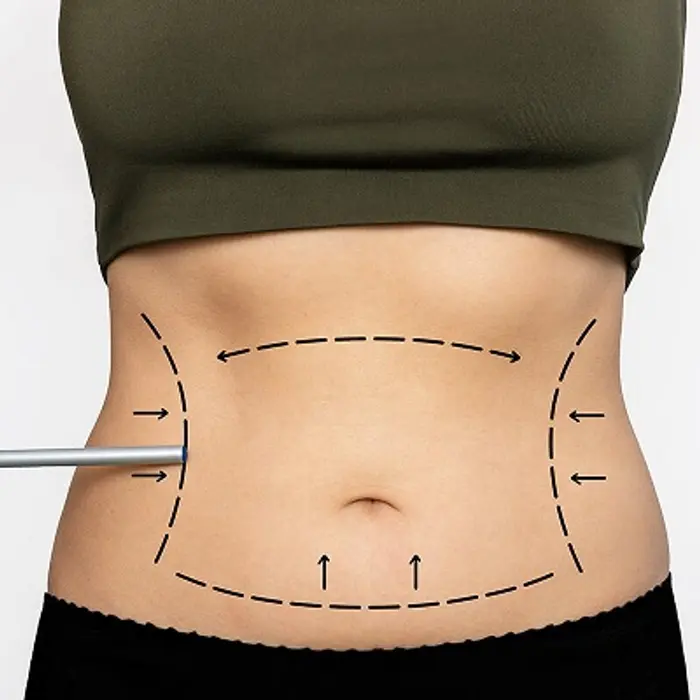
Fat transfer involves removing fat from another area of the body through liposuction and injecting it into the breasts.
This option may appeal to individuals seeking a modest increase in size while using their own natural tissue. It can also improve body contours in areas where excess fat is removed.
However, fat transfer generally provides a smaller increase in volume compared to implants.
How the Breast Augmentation Procedure Works
The breast augmentation process typically begins with a detailed consultation. During this stage, the patient's goals, medical history, and expectations are discussed.
On the day of surgery, the procedure is usually performed under anesthesia.
The surgeon creates carefully planned incisions and places the implants or transfers the prepared fat into the breast area. The exact technique depends on the chosen method and the patient's anatomy.
Once the enhancement is completed, the incisions are closed, and the recovery process begins.
The procedure generally takes a few hours, although timing can vary depending on the complexity of the case.
Recovery After Breast Augmentation
Recovery is an important part of achieving successful results. While every person heals differently, most patients experience some temporary swelling, soreness, and discomfort during the first few days.
Common recovery milestones may include:
First Week
During the initial days, rest is essential. Patients are usually advised to avoid strenuous activities and follow all post-procedure instructions carefully.
Swelling and tightness are normal and gradually improve over time.
First Month
Many individuals can return to normal daily activities within a few weeks, depending on their healing progress. Physical exercise may still be limited during this period.
Long-Term Healing
As healing continues, swelling decreases and the final results become more visible. It can take several months for the breasts to fully settle into their new shape.
Following aftercare recommendations plays a major role in promoting a smooth recovery and optimal outcome.
Benefits of Breast Augmentation
Breast augmentation offers several potential benefits for suitable candidates.
Improved Body Proportions
The procedure can create a more balanced relationship between the breasts and the rest of the body, helping individuals achieve their desired silhouette.
Enhanced Confidence
Many patients report feeling more comfortable and confident in clothing, swimwear, and everyday situations after achieving their aesthetic goals.
Restored Volume
Pregnancy, aging, and weight fluctuations can lead to a loss of breast fullness. Breast augmentation can help restore volume and shape.
Customizable Results
Modern augmentation techniques provide numerous options, allowing treatments to be tailored to individual preferences and body types.
Are There Any Risks?
Like any surgical procedure, breast augmentation carries certain risks and potential complications.
Possible risks may include:
Infection
Scarring
Changes in breast sensation
Implant-related complications
Swelling and discomfort
Need for future revision procedures
Understanding both the benefits and risks helps individuals make informed decisions. Thorough consultation and realistic expectations are important parts of the process.
Who May Be a Good Candidate for Breast Augmentation?
A good candidate for breast augmentation is generally someone who:
Is in good overall health
Has realistic expectations
Is unhappy with breast size, shape, or symmetry
Understands the recovery process
Makes the decision for personal reasons
The best way to determine suitability is through a professional evaluation that considers medical history, anatomy, and individual goals.
How Long Do Breast Augmentation Results Last?
Breast augmentation results are long-lasting, but they are not necessarily permanent. Aging, weight changes, pregnancy, and lifestyle factors can influence breast appearance over time.
Modern implants are designed for durability, but they may eventually require monitoring, replacement, or revision in some cases.
Regular follow-up appointments and routine health screenings help ensure ongoing breast health and satisfaction with the results.
Final Thoughts
Breast augmentation is a popular cosmetic procedure that can enhance breast size, shape, and overall body balance. Whether performed with implants or fat transfer techniques, the treatment offers personalized options to meet a wide range of aesthetic goals.
Understanding the procedure, recovery process, benefits, and potential risks allows individuals to make informed choices. While breast augmentation can improve appearance and confidence, realistic expectations and proper aftercare remain key to achieving successful outcomes.
For those considering breast augmentation, researching the procedure thoroughly and consulting with qualified medical professionals can help ensure the safest and most satisfying experience possible.
Frequently Asked Questions
1. What is breast augmentation used for?
Breast augmentation is primarily used to increase breast size, improve shape, restore lost volume, and enhance overall breast symmetry.
2. How long does it take to recover from breast augmentation?
Most individuals can resume many normal daily activities within a few weeks, although complete healing and final results may take several months.
3. Is breast augmentation painful?
Some discomfort, swelling, and soreness are common after the procedure. These symptoms typically improve as healing progresses.
4. Can breast augmentation look natural?
Yes. Modern techniques and customized treatment plans can create natural-looking results that suit the patient's body shape and preferences.
5. Are breast augmentation results permanent?
The results are long-lasting, but factors such as aging, weight changes, and pregnancy may affect breast appearance over time. Some individuals may require future procedures.
6. Who is a suitable candidate for breast augmentation?
Healthy individuals with realistic expectations who wish to improve breast size, shape, or symmetry may be suitable candidates after a professional assessment.
Read More About Breast Augmentation: https://www.citymapia.com/muscat/enfield-royal-clinic-oman/blog/what-ingredients-are-used-in-31498

;)