Enfield Royal Clinic Oman

 Home
Home  About Enfield Royal Clinic Oman
  Treatments
  Make An Enquiry





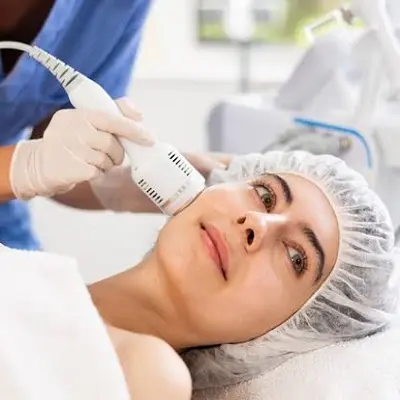
Skincare Treatments vs Home Remedies: Key Differences
Posted On Jun 23, 2026Discover advanced skincare treatments that cleanse, rejuvenate, and nourish your skin for a healthier, smoother, and more radiant complexion.
Healthy, glowing skin is a goal for many people, and there are countless ways to achieve it. From professional skincare treatments to traditional home remedies, individuals have a wide range of options to address common concerns such as acne, pigmentation, dryness, aging signs, and uneven skin tone. While both approaches aim to improve skin health and appearance, they differ significantly in terms of effectiveness, safety, customization, and results.
Understanding the key differences between Skincare Treatments and home remedies can help individuals make informed decisions about what is best for their skin. This article explores how these approaches work, their benefits and limitations, and when each option may be suitable.
What Are Skincare Treatments?
Skincare treatments refer to scientifically developed procedures, products, and techniques designed to improve the health and appearance of the skin. These treatments are often based on dermatological research and may target specific skin concerns such as acne scars, fine lines, wrinkles, sun damage, hyperpigmentation, and skin texture issues.
Professional skincare treatments can include procedures such as chemical peels, microdermabrasion, laser-based therapies, hydrating facials, skin rejuvenation methods, and advanced skincare regimens. These treatments are generally customized according to an individual's skin type, condition, and goals.
The primary advantage of skincare treatments is their ability to deliver targeted and measurable results using clinically tested ingredients and technologies.
What Are Home Remedies for Skin Care?
Home remedies involve using natural ingredients commonly found in kitchens or households to address various skin concerns. Popular examples include honey masks, aloe vera gel, cucumber slices, yogurt masks, turmeric mixtures, oatmeal scrubs, and coconut oil applications.
Many people choose home remedies because they are easily accessible, affordable, and often perceived as natural alternatives to commercial skincare products. These remedies have been used for generations and may provide temporary relief for minor skin issues.
However, the effectiveness of home remedies can vary significantly depending on the ingredient, skin type, and underlying condition being treated.
Effectiveness: Professional Results vs Temporary Improvement
One of the biggest differences between skincare treatments and home remedies is their effectiveness.
Professional skincare treatments are designed to target specific skin concerns at a deeper level. Many treatments use advanced ingredients, specialized equipment, and scientifically proven methods to stimulate skin renewal, improve collagen production, and correct various imperfections. As a result, they often produce noticeable and long-lasting improvements.
Home remedies, on the other hand, typically work on the surface of the skin. While ingredients such as honey and aloe vera may provide hydration and soothing benefits, they generally cannot penetrate deeply enough to address more complex skin issues. Their results are often mild and temporary.
For example, someone dealing with severe acne scars or significant pigmentation may find limited improvement with home remedies, while professional skincare treatments are more likely to deliver visible changes.
Safety and Skin Compatibility
Safety is another important factor when comparing skincare treatments and home remedies.
Professional skincare treatments are usually developed with specific safety guidelines and undergo extensive testing. Treatments are often tailored according to skin type, sensitivity level, and existing skin conditions, reducing the risk of unwanted reactions when performed correctly.
Home remedies may seem harmless because they use natural ingredients, but natural does not always mean safe. Certain ingredients can trigger irritation, allergic reactions, redness, or breakouts. Lemon juice, baking soda, and undiluted essential oils are common examples of ingredients that may damage the skin barrier if used improperly.
Additionally, individuals often lack the ability to accurately determine whether a home remedy is suitable for their specific skin concerns, increasing the possibility of adverse effects.
Customization and Personalization
Every person's skin is unique, which makes personalization essential for achieving the best results.
Skincare treatments are typically customized based on factors such as:
Skin type
Age
Sensitivity level
Existing skin conditions
Lifestyle factors
Desired outcomes
This personalized approach allows treatments to target specific concerns more effectively and reduce the risk of complications.
Home remedies, however, follow a more generalized approach. Many recipes found online are promoted as universal solutions despite the fact that different skin types react differently to the same ingredients. What works for one person may cause irritation or worsen conditions for another.
The ability to customize skincare treatments gives them a significant advantage when addressing complex or persistent skin concerns.
Speed and Duration of Results
Another major difference lies in how quickly results become visible and how long they last.
Professional skincare treatments often produce faster and more noticeable improvements. Some treatments can provide immediate benefits such as enhanced hydration, brighter skin, or smoother texture. Others may require multiple sessions but generally offer longer-lasting outcomes due to their deeper impact on skin health.
Home remedies typically require consistent use over extended periods before any visible improvement occurs. Even then, the changes may be subtle and temporary. Once the remedy is discontinued, the benefits may quickly fade.
People seeking significant skin transformation usually find skincare treatments more effective because they are specifically designed to create lasting improvements.
Cost Considerations and Long-Term Value
Cost is often a deciding factor when choosing between skincare treatments and home remedies.
Home remedies are generally less expensive because they rely on ingredients already available at home. This affordability makes them attractive for individuals looking for basic skincare support without a large financial commitment.
Professional skincare treatments usually require a greater investment due to the use of specialized products, advanced technology, and customized treatment plans. However, they often provide more predictable and long-lasting results, which may offer better value in the long run.
Rather than focusing solely on initial cost, it is important to consider effectiveness, safety, and the potential need for repeated attempts when evaluating overall value.
When Are Home Remedies a Good Choice?
Home remedies can be beneficial in certain situations, especially for individuals with generally healthy skin who are looking for simple maintenance or soothing care.
Home remedies may help with:
Mild skin dryness
Temporary irritation relief
Basic hydration
Skin soothing after sun exposure
Gentle skin nourishment
Natural ingredients such as aloe vera, oatmeal, and honey can offer supportive benefits when used appropriately. However, they should not be viewed as replacements for evidence-based skincare solutions when dealing with more serious skin concerns.
When Are Skincare Treatments the Better Option?
Skincare treatments are often the preferred choice when addressing concerns that require deeper correction or specialized care.
These concerns may include:
Persistent acne
Acne scarring
Hyperpigmentation
Fine lines and wrinkles
Uneven skin texture
Sun damage
Enlarged pores
Skin rejuvenation goals
Advanced skincare treatments can target the underlying causes of these issues and provide more reliable outcomes compared to home-based solutions.
For individuals seeking noticeable improvements in skin appearance and overall skin health, professional treatments generally offer the most effective path forward.
Finding the Right Balance
The choice between skincare treatments and home remedies does not always have to be an either-or decision. In many cases, a balanced approach works best.
Home remedies can complement a healthy skincare routine by providing gentle hydration and nourishment, while professional skincare treatments can address specific concerns that require targeted intervention. Combining evidence-based skincare practices with safe, supportive home care can help maintain healthy, radiant skin over the long term.
The key is understanding the limitations and strengths of each approach and choosing solutions that align with individual skin needs and goals.
Conclusion
Both skincare treatments and home remedies play a role in maintaining healthy skin, but they serve different purposes. Home remedies offer accessible and affordable options for basic skin care and temporary relief, while skincare treatments provide scientifically backed solutions for deeper and more complex concerns.
When comparing effectiveness, customization, safety, and long-term results, skincare treatments generally offer a higher level of precision and reliability. Home remedies may provide supportive benefits, but they are often limited in their ability to address significant skin issues.
By understanding these key differences, individuals can make informed decisions and create a skincare strategy that supports healthier, more confident-looking skin.
FAQs
1. Are home remedies as effective as professional skincare treatments?
No, home remedies generally provide mild and temporary benefits, while professional skincare treatments are designed to address specific skin concerns with more noticeable and long-lasting results.
2. Can natural ingredients damage the skin?
Yes, some natural ingredients can cause irritation, allergic reactions, or skin barrier damage if used incorrectly or on sensitive skin.
3. Which skin concerns usually require skincare treatments?
Persistent acne, acne scars, pigmentation, fine lines, wrinkles, uneven texture, and significant sun damage often respond better to professional skincare treatments.
4. How long does it take to see results from home remedies?
Results vary depending on the ingredient and skin condition, but improvements are usually gradual and may take several weeks or months of consistent use.
5. Are skincare treatments suitable for all skin types?
Many skincare treatments can be customized for different skin types and concerns, making them suitable for a wide range of individuals when selected appropriately.
6. Can home remedies and skincare treatments be used together?
Yes, safe home remedies can often complement professional skincare treatments and help maintain skin health between treatment sessions.
Read More About Skincare Treatments: https://www.citymapia.com/muscat/enfield-royal-clinic-oman/blog/hidden-benefits-of-a-tummy-31431







;)