Enfield Royal Clinic Oman

 Home
Home  About Enfield Royal Clinic Oman
  Treatments
  Make An Enquiry






Can an IV Drip Be Personalized to Your Needs?
Posted On Jul 24, 2026IV Drip therapy delivers essential vitamins, minerals, and fluids directly into your bloodstream for fast hydration, wellness, energy, and recovery support.
Intravenous (IV) therapy has become increasingly popular among people looking for convenient ways to support hydration, nutrient intake, recovery, and overall wellness. Unlike standard oral supplements, an IV drip delivers fluids and selected nutrients directly into the bloodstream, allowing them to bypass the digestive system. But one important question often comes up: can an IV drip actually be personalized to meet individual needs?
The answer is yes, in many cases. IV therapy can be tailored according to a person's health goals, hydration status, lifestyle, nutritional requirements, and other relevant factors. However, personalization should always be based on a proper assessment by a qualified healthcare professional. The right combination of fluids, vitamins, minerals, and other ingredients depends on the individual's circumstances rather than a one-size-fits-all approach.
For people searching for the Best IV Drip in Muscat, understanding how personalization works can make it easier to choose an appropriate treatment and have realistic expectations. Whether someone is interested in hydration support, recovery after physical activity, general wellness, or addressing certain nutritional deficiencies, a personalized approach may offer a more suitable experience.
What Is an IV Drip and How Does It Work?
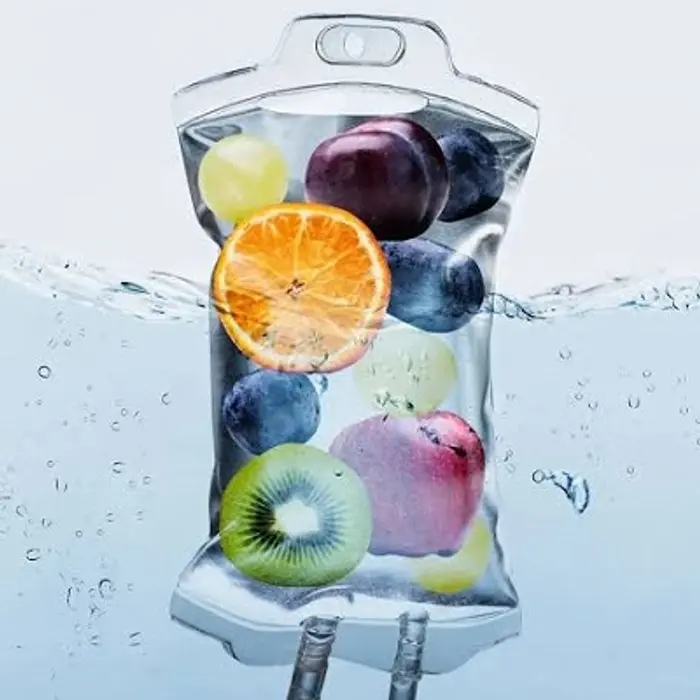
An IV drip is a treatment in which fluids and selected nutrients are administered directly into a vein through a small intravenous catheter. The solution typically contains fluids, electrolytes, vitamins, minerals, or other ingredients selected according to the purpose of the treatment.
Because the substances enter the bloodstream directly, the body does not need to process them through the digestive tract first. This makes IV therapy particularly useful in situations where rapid hydration or nutrient delivery is medically appropriate.
The exact formulation can vary considerably. Some IV treatments focus primarily on hydration, while others may include specific vitamins or minerals. The appropriate ingredients and amounts should be determined by a healthcare professional after considering the person's needs and medical history.
It is important to understand that IV therapy is not automatically better than a balanced diet, adequate hydration, or medically recommended oral supplements for everyone. The benefits depend on the individual's condition and the reason for receiving the treatment.
How Can an IV Drip Be Personalized?
Personalization is one of the main reasons people consider IV therapy. Rather than providing the same formulation to every individual, healthcare professionals may adjust the treatment based on several factors.
Individual Health Goals
The first consideration is usually the person's primary goal. Someone seeking hydration support may require a different formulation from an individual who has been identified as having a nutritional deficiency.
Common reasons people explore IV therapy include:
Supporting hydration
Recovering after intense physical activity
Supporting general wellness
Addressing certain nutrient deficiencies
Supporting recovery during periods of increased physical demand
Managing hydration needs when oral fluid intake is difficult
The goal helps guide the healthcare professional when determining whether IV therapy is appropriate and what type of formulation may be suitable.
Lifestyle and Activity Level
Lifestyle can also influence the approach. People who exercise regularly, work in physically demanding environments, or spend significant time in hot conditions may have different hydration needs than someone with a less active lifestyle.
In a warm climate such as Muscat, maintaining adequate hydration can be especially important. However, an IV drip should not be considered a substitute for regular water consumption or a balanced diet. Instead, it may be considered as part of a broader approach when a healthcare professional believes it is appropriate.
Nutritional Requirements
Some people may have specific nutritional concerns based on their diet, health history, or confirmed deficiencies. A healthcare professional may consider these factors when deciding whether certain vitamins or minerals should be included.
For example, an individual with a documented deficiency may require a different treatment approach than someone simply seeking general wellness support. In some cases, blood tests or other medical assessments may be recommended before supplementation.
This is why personalized IV therapy should be based on a proper evaluation rather than selecting ingredients based solely on online trends or assumptions.
Why Personalization Matters in IV Therapy
A personalized approach can help ensure that the treatment is more closely aligned with an individual's needs. Not every person requires the same nutrients, fluid volume, or treatment frequency.
Personalization may offer several potential advantages.
More Relevant Treatment
When an IV formulation is selected according to a person's specific needs, the treatment may be more relevant to their goals. For instance, hydration-focused therapy may be more appropriate for someone who needs fluid replacement, while a person with a confirmed nutrient deficiency may require a different medical strategy.
Better Safety Considerations
Personalization is also important for safety. Certain medical conditions, medications, allergies, or previous reactions may affect whether IV therapy is suitable.
A healthcare professional should consider factors such as kidney function, heart health, pregnancy status, medication use, allergies, and existing medical conditions before recommending treatment.
Avoiding Unnecessary Ingredients
More is not always better. Adding unnecessary vitamins or minerals does not necessarily provide additional benefits and may sometimes create avoidable risks.
A tailored approach focuses on what is appropriate rather than simply including as many ingredients as possible. This can make the treatment more targeted and medically responsible.
What Factors Are Considered Before an IV Drip?
Before receiving an IV drip, a qualified healthcare professional may conduct an assessment to determine whether the treatment is appropriate.
This assessment may include questions about the person's:
Current health status
Medical history
Medications and supplements
Allergies or sensitivities
Hydration status
Diet and lifestyle
Physical activity
Existing nutritional deficiencies
Reason for seeking IV therapy
Depending on the situation, laboratory testing may also be recommended. This is particularly relevant when a person is seeking treatment for a suspected vitamin or mineral deficiency.
The healthcare professional may then recommend an appropriate formulation and explain what the treatment is intended to achieve. This process helps ensure that the IV drip is selected for the individual's circumstances rather than being based on a generic formula.
For those searching for the Best IV Drip in Muscat, it can be helpful to look beyond marketing claims and consider whether the service includes a proper health assessment, qualified supervision, transparent information about ingredients, and appropriate safety procedures.
What Can Someone Expect During an IV Drip Session?
An IV drip session generally begins with a healthcare professional reviewing the person's health information and confirming the treatment plan. Once the appropriate formulation has been selected, a small catheter is inserted into a vein, usually in the arm or hand.
The IV solution is then administered gradually. The length of the session can vary depending on the formulation, fluid volume, and individual circumstances.
During the treatment, the person may be able to sit comfortably, read, use a phone, or relax. The healthcare professional should monitor the person and respond to any discomfort or unusual symptoms.
Some people may experience mild effects such as temporary discomfort at the insertion site or a feeling of coolness as the fluid enters the vein. Although IV therapy is generally well tolerated when appropriately administered, it is still a medical procedure and is not completely risk-free.
Potential complications can include bruising, irritation, infection, inflammation of the vein, or an allergic reaction. More serious complications are uncommon but can occur, which is why professional assessment and proper monitoring are important.
How Often Should a Personalized IV Drip Be Used?
There is no universal schedule that applies to everyone. The appropriate frequency depends on the purpose of treatment and the individual's health needs.
For someone receiving IV therapy for a specific medical reason, the treatment schedule should follow professional medical advice. For wellness-focused treatments, frequency should still be discussed with a qualified healthcare provider rather than following a fixed schedule promoted online.
Regular IV therapy may not be necessary for individuals who are already adequately hydrated and receive sufficient nutrients through a balanced diet. In such cases, routine IV treatments may provide little additional value.
People considering repeated treatments should also discuss the potential benefits, risks, and alternatives with a healthcare professional. The focus should always be on addressing an actual need rather than receiving unnecessary treatments.
How to Choose the Best IV Drip in Muscat
Choosing an IV drip service requires more than comparing different treatment menus. A responsible approach should prioritize medical standards, professional expertise, and individualized care.
People looking for the Best IV Drip in Muscat may want to consider the following factors:
Qualified healthcare professionals: Treatment should be provided or supervised by appropriately trained medical staff who can assess whether IV therapy is suitable.
Personalized assessment: A reputable service should consider the individual's health history, goals, medications, and relevant medical factors before recommending treatment.
Clear ingredient information: People should know what is included in an IV formulation and why each component is being recommended.
Safety and hygiene: Proper sterilization, infection-control practices, and safe IV administration are essential.
Appropriate medical screening: Individuals with certain health conditions may require additional assessment or testing before treatment.
Realistic expectations: A trustworthy service should explain potential benefits without making exaggerated promises or claiming that IV therapy can treat every health problem.
Aftercare guidance: People should receive appropriate advice about hydration, activity, and what symptoms to monitor after treatment.
Ultimately, the best IV drip is not necessarily the one with the longest ingredient list. It is the one that is appropriate for the person's individual needs and delivered under suitable medical supervision.
Final Thoughts on Personalized IV Drip Therapy
IV therapy can be personalized in several ways, including the type of fluids used, the nutrients included, and the overall treatment approach. However, personalization should always be guided by a qualified healthcare professional.
For individuals exploring the Best IV Drip in Muscat, the most important consideration is not simply finding a treatment that promises quick results. Instead, it is about choosing an approach that begins with an appropriate assessment and takes individual health needs into account.
IV therapy may be helpful for certain people and situations, particularly when hydration or nutrient delivery through an intravenous route is medically appropriate. At the same time, it should not replace a healthy diet, regular hydration, adequate sleep, physical activity, or necessary medical treatment.
A thoughtful and personalized approach can help people make more informed decisions about IV therapy while keeping safety and realistic expectations at the center of the experience.
FAQs
1. Can an IV drip be customized for each person?
Yes. An IV drip can often be tailored according to an individual's health goals, hydration requirements, nutritional needs, medical history, and lifestyle. The exact formulation should be selected by a qualified healthcare professional after an appropriate assessment.
2. Is personalized IV therapy safe for everyone?
No. IV therapy may not be suitable for everyone. Certain medical conditions, medications, allergies, pregnancy, or problems affecting the heart or kidneys may require additional evaluation. A healthcare professional should determine whether treatment is appropriate.
3. How long does an IV drip session usually take?
The duration can vary depending on the type and volume of the IV solution and the individual's circumstances. A healthcare professional can provide a more accurate estimate before the session begins.
4. Does an IV drip replace drinking water and eating a healthy diet?
No. IV therapy should not be viewed as a replacement for regular hydration, balanced nutrition, or healthy lifestyle habits. It may be used for specific purposes when considered appropriate by a healthcare professional.
5. How often can someone receive a personalized IV drip?
The recommended frequency varies from person to person. It depends on the reason for treatment, overall health, and professional medical advice. There is no single schedule that is suitable for everyone.
6. What should someone look for when choosing an IV drip service?
People should look for qualified healthcare professionals, proper medical assessment, transparent ingredient information, strong hygiene standards, appropriate safety protocols, and realistic explanations of potential benefits and risks.
Read More About IV Drip: https://666972af349f3.site123.me/blog/iv-drip-appointments-what-happens-from-start-to-finish






;)