Enfield Royal Clinic Oman

 Home
Home  About Enfield Royal Clinic Oman
  Treatments
  Make An Enquiry





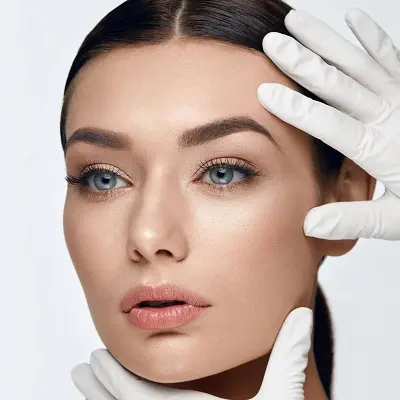
Botox Injections Gone Wrong: Common Causes and Prevention
Posted On Jul 23, 2026Get smoother, youthful-looking skin with Botox injections. Reduce wrinkles and fine lines with safe, effective treatments from experienced professionals.
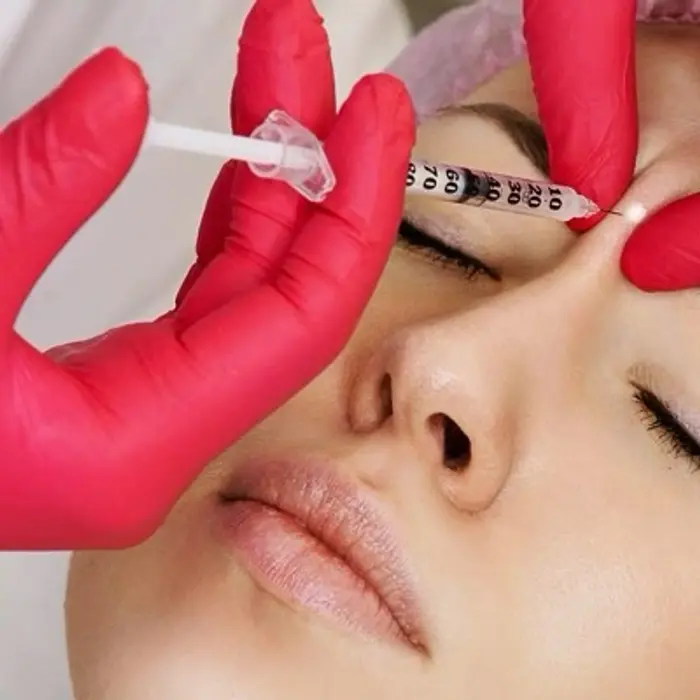
Botox injections have become a popular cosmetic treatment for reducing the appearance of fine lines and wrinkles and achieving a smoother, more refreshed look. When performed correctly by a qualified and experienced medical professional, the treatment is generally considered safe and effective. However, like any medical or cosmetic procedure, Botox injections can sometimes produce unwanted results.
For people considering Botox Injections in Oman, understanding why Botox treatments may go wrong can help them make informed decisions and take practical steps to reduce potential risks. Problems can range from temporary bruising and swelling to uneven results, drooping eyelids, or an overly frozen facial appearance. In many cases, these issues are linked to incorrect injection techniques, unsuitable treatment plans, poor aftercare, or choosing an unqualified provider.
The good news is that many Botox-related complications can be prevented with proper planning and professional care. Knowing what to expect before, during, and after treatment can make the experience safer and more predictable.
What Does It Mean When Botox Injections Go Wrong?
The phrase "Botox gone wrong" can refer to a variety of unwanted outcomes following treatment. Some side effects are temporary and usually resolve on their own, while others may result from improper administration or an unsuitable treatment approach.
Common unwanted results include facial asymmetry, drooping eyebrows, eyelid ptosis, excessive swelling, bruising, headaches, and an unnatural or overly stiff facial expression. In rare cases, Botox can spread beyond the intended treatment area and affect nearby muscles.
It is important to remember that not every side effect means the treatment was performed incorrectly. Mild redness, tenderness, swelling, or small bruises can occur even when Botox is administered properly. These effects are generally temporary.
More concerning outcomes may occur when the injection is placed in the wrong muscle, too much product is used, the injection points are poorly selected, or the treatment does not take the patient's facial anatomy into account. This is why selecting an appropriately qualified healthcare professional is one of the most important steps in achieving a safe and natural-looking result.
Common Causes of Botox Injections Gone Wrong
Several factors can contribute to unsatisfactory Botox results. Understanding these causes can help patients take precautions before undergoing treatment.
1. Incorrect Injection Technique
Botox works by temporarily reducing muscle activity in specific areas. Because facial muscles are closely connected and work together to create expressions, precise injection placement is essential.
If Botox is injected into the wrong location or at an inappropriate depth, it may affect nearby muscles. This can potentially result in drooping eyelids, uneven eyebrows, an altered smile, or other unwanted changes in facial movement.
The experience and anatomical knowledge of the injector play an important role in minimizing this risk.
2. Using Too Much Botox
More Botox does not necessarily mean better results. Excessive amounts can lead to an overly stiff or unnatural appearance, particularly when the goal is to soften facial lines while preserving normal expression.
A well-planned treatment should consider the individual's facial structure, muscle strength, age, skin condition, and desired outcome. The amount used should be carefully determined rather than applying a standard dose to every patient.
3. Poor Assessment Before Treatment
A thorough consultation is an important part of Botox treatment. Before injections, the healthcare professional should assess facial movement, muscle activity, skin condition, medical history, and the patient's expectations.
Skipping or rushing this assessment can increase the likelihood of an unsuitable treatment plan. For example, Botox may not be the most appropriate option for every type of wrinkle or facial concern.
A careful assessment helps determine whether Botox is suitable and which areas may benefit from treatment.
4. Choosing an Unqualified or Inexperienced Provider
One of the most significant factors associated with poor Botox outcomes is receiving injections from someone without appropriate medical qualifications, training, or experience.
Botox is a medical treatment, and facial injections require a detailed understanding of anatomy and muscle function. Patients should confirm that the treatment is being performed by a properly qualified healthcare professional who has appropriate experience with injectable treatments.
Choosing a provider based only on low cost or social media popularity may increase the risk of complications.
5. Inadequate Aftercare
Aftercare can also influence the treatment experience. Patients who do not follow post-treatment instructions may increase their chances of experiencing certain side effects.
Although Botox usually involves minimal downtime, patients may be advised to avoid rubbing or massaging the treated areas and to follow specific recommendations regarding physical activity and other activities immediately after treatment.
Following professional aftercare guidance can help support a smoother recovery.
How Can Botox Complications Be Prevented?
The best way to reduce the risk of unwanted Botox results is to approach the treatment as a medical procedure rather than a casual beauty service.
For individuals considering Botox Injections in Oman, the following precautions may be helpful:
Choose a Qualified Medical Professional
Patients should look for a properly licensed and trained healthcare professional with experience in administering Botox. It is reasonable to ask about qualifications, training, and experience with facial injectables during the consultation.
A qualified professional should also be willing to discuss possible risks and realistic expectations rather than promising perfect results.
Have a Detailed Consultation
A consultation gives the patient and healthcare professional an opportunity to discuss goals and determine whether Botox is appropriate.
The provider should evaluate facial movements and consider the patient's overall health and medical history. Patients should also disclose any medications, supplements, allergies, previous cosmetic procedures, and relevant medical conditions.
This information can help the provider develop a safer and more personalized treatment plan.
Avoid Making Decisions Based Only on Price
Cost can be an important consideration, but the cheapest option may not always be the safest. Botox requires precision, anatomical knowledge, and appropriate medical standards.
Patients should consider the provider's qualifications, treatment environment, product authenticity, and overall safety standards when making a decision.
Ask About the Product Being Used
Patients have the right to ask what type of botulinum toxin product is being administered and whether it has been sourced through legitimate medical channels.
Using authentic and properly stored products is an important part of safe treatment. Patients should be cautious if a provider is unwilling to explain what product is being used.
Follow Pre- and Post-Treatment Instructions
Patients should carefully follow the advice provided by their healthcare professional. Instructions may vary depending on the individual's circumstances and the areas being treated.
Following professional guidance before and after Botox can help reduce the likelihood of unnecessary irritation, bruising, or other complications.
What Should Someone Do If Botox Goes Wrong?
If a person notices an unexpected result after Botox, the first step should be to remain calm. Many Botox-related effects are temporary and improve as the product gradually wears off.
The patient should contact the healthcare professional who performed the treatment and explain the symptoms or concerns. A follow-up assessment can help determine whether the issue is a normal temporary effect or requires further attention.
Certain complications, such as eyelid drooping or uneven facial movement, may take time to resolve as the effects of Botox gradually decrease. In some cases, a healthcare professional may recommend appropriate measures to manage symptoms while waiting for the effects to wear off.
However, serious or unusual symptoms should not be ignored. Difficulty breathing, swallowing problems, widespread muscle weakness, or severe allergic symptoms require urgent medical attention.
It is also important for patients to avoid attempting to correct the problem themselves. Additional cosmetic injections or unapproved treatments may make the situation more complicated.
How Long Do Unwanted Botox Effects Last?
The duration of an unwanted Botox effect depends on the type and severity of the issue. Minor redness, swelling, and tenderness often improve within a short period. Bruising may take several days or longer to disappear.
If Botox affects an unintended muscle, the resulting weakness may persist for several weeks or more. Because Botox temporarily reduces muscle activity, there is generally no instant way to completely reverse its effects.
This is one reason why careful injection technique and appropriate dosing are so important. Patients should have realistic expectations and understand that Botox results are temporary.
In many cases, unwanted effects gradually improve as the body naturally breaks down the product and normal muscle activity returns.
Choosing Botox Injections in Oman Safely
For individuals exploring Botox Injections in Oman, safety should be a top priority. A successful treatment is not simply about reducing wrinkles; it is about achieving a balanced and natural appearance while minimizing potential risks.
Patients should choose a qualified healthcare professional who provides a proper consultation and explains the expected benefits and possible side effects. The treatment should take place in an appropriate clinical environment with proper hygiene and safety standards.
It is also important to have realistic expectations. Botox can soften certain dynamic wrinkles, but it cannot stop the natural aging process or guarantee flawless skin. The best outcomes are usually achieved when treatment goals are realistic and the approach is tailored to the individual's facial anatomy.
Patients should also avoid feeling pressured into having more treatment than necessary. A responsible provider should prioritize the patient's safety and well-being rather than encouraging unnecessary procedures.
Ultimately, Botox can be a useful cosmetic treatment when administered appropriately. By choosing a qualified professional, receiving a personalized assessment, using authentic products, and following aftercare instructions, patients can significantly reduce the likelihood of unwanted outcomes.
Frequently Asked Questions About Botox Injections
1. Is Botox safe when performed correctly?
Yes, Botox is generally considered safe when administered by a properly qualified and experienced healthcare professional. However, like any medical treatment, it can have side effects. A thorough consultation and appropriate injection technique can help reduce potential risks.
2. What are the most common signs of Botox gone wrong?
Common unwanted outcomes may include uneven eyebrows, facial asymmetry, drooping eyelids, an overly stiff appearance, or changes in facial expression. Mild swelling, redness, tenderness, and bruising can also occur and are often temporary.
3. Can Botox complications be reversed immediately?
Botox effects cannot usually be reversed instantly. If the product affects an unintended muscle, the effects generally improve gradually as the Botox wears off. A healthcare professional can assess the situation and recommend appropriate management.
4. How can patients reduce the risk of a bad Botox result?
Patients can reduce risks by choosing a qualified healthcare professional, attending a detailed consultation, discussing medical history and medications, confirming the use of an authentic product, and following all pre- and post-treatment instructions.
5. How long do Botox side effects usually last?
The duration varies depending on the type of side effect. Minor redness or swelling may improve relatively quickly, while bruising can take several days or longer. Effects caused by unintended muscle weakness may last for several weeks or more.
6. What should someone do if they experience a serious reaction after Botox?
A person experiencing severe symptoms such as difficulty breathing, difficulty swallowing, widespread muscle weakness, or signs of a serious allergic reaction should seek urgent medical attention. For less serious concerns, contacting the healthcare professional who performed the treatment is an appropriate first step.
Read More About Botox Injections: https://666972af349f3.site123.me/blog/botox-injections-timeline-from-treatment-to-final-results


;)