Enfield Royal Clinic Oman

 Home
Home  About Enfield Royal Clinic Oman
  Treatments
  Make An Enquiry





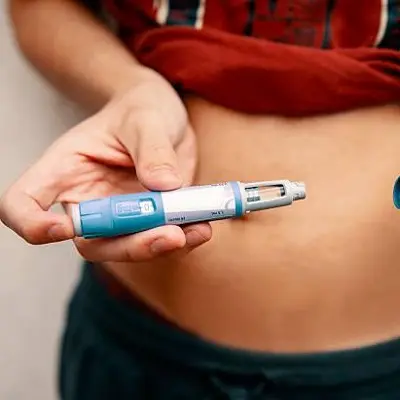
Common Ozempic Injection Reactions and How to Handle Them
Posted On Feb 24, 2026Ozempic injection is a prescription medicine used to improve blood sugar control in adults with type 2 diabetes. Learn uses, dosage, and side effects.
Ozempic is a widely recognized medication for managing type 2 diabetes and supporting weight management. With its active ingredient semaglutide, it works by regulating blood sugar levels and reducing appetite. While Ozempic injections can provide significant health benefits, like any medication, they can also cause side effects. Understanding common reactions and knowing how to handle them is essential for anyone considering or currently using Ozempic Injections Muscat.
Understanding Ozempic and Its Uses
Ozempic injections are part of a class of medications called GLP-1 receptor agonists. They mimic a natural hormone in the body that helps regulate insulin production and slow gastric emptying. This dual action helps control blood sugar levels after meals and contributes to a feeling of fullness, which can assist in weight management. Patients often appreciate Ozempic for its once-weekly injection schedule, which makes it convenient compared to daily medications.
While the benefits of Ozempic are significant, users must be aware of potential reactions. Being informed allows patients to manage side effects effectively and continue their treatment safely.
Common Side Effects of Ozempic Injections
Like any injectable medication, Ozempic can trigger certain reactions. These side effects are generally mild to moderate and often subside as the body adjusts to the medication. The most common reactions include:
1. Gastrointestinal Issues
Many patients experience nausea, vomiting, diarrhea, or constipation when starting Ozempic. This happens because the medication slows the emptying of the stomach, which can lead to temporary discomfort. Some people may also experience indigestion or bloating.
How to handle it:
Eat smaller, more frequent meals instead of large portions.
Avoid fatty or highly processed foods that can worsen nausea.
Stay hydrated to counteract diarrhea or vomiting.
Most gastrointestinal issues diminish after a few weeks as the body adapts.
2. Injection Site Reactions
Mild irritation at the injection site is common. This may include redness, itching, or a small lump under the skin. These reactions are usually temporary and resolve within a few days.
How to handle it:
Rotate injection sites between the abdomen, thigh, and upper arm.
Use proper injection techniques, following guidelines for cleanliness and needle angle.
Avoid injecting into areas that are already irritated or bruised.
3. Low Blood Sugar (Hypoglycemia)
Ozempic itself rarely causes low blood sugar unless combined with other diabetes medications like insulin or sulfonylureas. Symptoms can include dizziness, sweating, shakiness, or sudden hunger.
How to handle it:
Monitor blood sugar levels regularly, especially when starting Ozempic.
Keep fast-acting glucose sources, like juice or glucose tablets, readily available.
Adjustments to other diabetes medications may be necessary under medical guidance.
4. Headaches and Fatigue
Some individuals report mild headaches or fatigue during the initial weeks of treatment. These are often linked to changes in blood sugar levels or hydration status.
How to handle it:
Ensure adequate hydration and balanced meals.
Get sufficient rest and avoid overexertion during the adjustment period.
Over-the-counter pain relievers can be used cautiously if needed, but consult a healthcare provider first.
5. Appetite Changes
Ozempic is known for suppressing appetite, which can sometimes feel extreme. While this is beneficial for weight management, some patients may feel weak or fatigued if they eat too little.
How to handle it:
Maintain a balanced diet with enough protein, healthy fats, and complex carbohydrates.
Avoid skipping meals to prevent dizziness or low energy.
Gradually adjust portion sizes as your body adapts to decreased hunger cues.
Rare but Serious Reactions
Although uncommon, some serious reactions require immediate attention. These include severe allergic reactions, persistent vomiting, or symptoms of pancreatitis such as severe abdominal pain radiating to the back. Other red flags include jaundice (yellowing of the skin or eyes) or unusual fatigue.
If any of these symptoms occur, it is crucial to seek medical attention immediately. Early intervention can prevent complications and ensure safe continuation of treatment.
Tips for Safe and Effective Ozempic Use
Proper usage can minimize side effects and maximize benefits. Here are some expert tips:
Start Low, Go Slow: Starting with a lower dose can reduce gastrointestinal side effects. Your healthcare provider may gradually increase the dose to the recommended level.
Follow the Injection Schedule: Administer the injection on the same day each week for consistent results.
Monitor Your Body: Keep a log of side effects, blood sugar readings, and overall well-being.
Stay Hydrated: Drinking enough water helps reduce headaches, constipation, and fatigue.
Pair with Healthy Lifestyle Habits: Balanced nutrition and regular physical activity complement the effects of Ozempic injections.
Conclusion
Ozempic injections can be a highly effective tool for managing type 2 diabetes and supporting weight control. Understanding common reactions and how to manage them helps users navigate treatment safely. Mild gastrointestinal discomfort, injection site irritation, low blood sugar, headaches, and appetite changes are the most common side effects, while serious reactions are rare but require immediate attention. By following best practices and staying informed, patients can enjoy the benefits of Ozempic while minimizing discomfort.
For those considering Ozempic injections in Muscat, knowledge and preparation are key. Awareness of side effects, careful monitoring, and lifestyle adjustments ensure a safer and more effective treatment experience.
FAQs About Ozempic Injections
1. How long do Ozempic side effects usually last?
Most mild side effects, such as nausea or injection site irritation, resolve within a few weeks as the body adjusts to the medication.
2. Can Ozempic injections cause low blood sugar on their own?
Ozempic rarely causes hypoglycemia by itself. The risk increases when combined with other diabetes medications, so monitoring is essential.
3. Are injection site reactions dangerous?
Typically, injection site reactions are mild and temporary. Severe pain, swelling, or infection at the site should be evaluated by a healthcare provider.
4. How can I reduce nausea from Ozempic injections?
Eating smaller, frequent meals, avoiding fatty foods, and staying hydrated often help reduce nausea.
5. Can Ozempic help with weight loss?
Yes, Ozempic can suppress appetite and help with weight management, but it should be used alongside a balanced diet and regular exercise for best results.
6. When should I seek medical attention?
Seek immediate care if you experience severe abdominal pain, persistent vomiting, jaundice, or signs of an allergic reaction like swelling or difficulty breathing.
7. Is Ozempic suitable for everyone?
Ozempic is intended for adults with type 2 diabetes or weight management needs. It is not recommended for people with type 1 diabetes, certain gastrointestinal disorders, or a history of severe pancreatitis.








;)