Enfield Royal Clinic Oman

 Home
Home  About Enfield Royal Clinic Oman
  Treatments
  Make An Enquiry





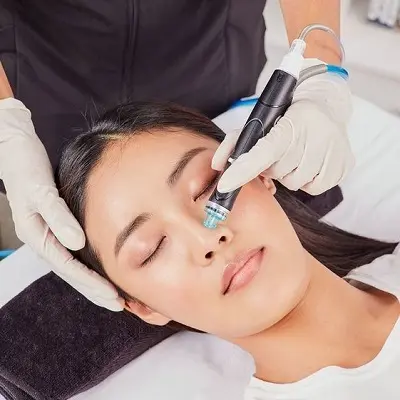
Dermatologists Reveal Why Some Acne Treatments Fail
Posted On Dec 22, 2025Expert dermatologists providing comprehensive skin care, treatment for acne, eczema, psoriasis, skin cancer, and cosmetic skin procedures. Book a consultation today for healthy, radiant skin.
Acne is one of the most common skin conditions affecting people of all ages, yet it can be surprisingly tricky to treat. Despite trying various products, creams, or medications, some individuals find their acne persists or worsens over time. According to Dermatologists in Oman, the reasons acne treatments fail are often related to factors such as incorrect usage, unrealistic expectations, or underlying conditions. Understanding these factors can help individuals adopt a more effective and personalized approach to managing acne.
This article explores why some acne treatments fail and offers expert advice from dermatologists in Oman on achieving clearer, healthier skin.
Understanding Acne: More Than Just Pimples
Acne occurs when hair follicles become clogged with oil, dead skin cells, and bacteria. It can appear as whiteheads, blackheads, pustules, or cysts and often affects the face, chest, and back. While commonly associated with teenagers, acne can persist into adulthood due to hormonal fluctuations, stress, diet, or environmental factors.
Dermatologists in Oman emphasize that treating acne effectively requires addressing its root causes rather than just masking symptoms. This is why some treatments fail despite consistent use.
Misconception 1: Using Multiple Products at Once Accelerates Results
A common mistake is using numerous acne treatments simultaneously, such as combining multiple topical creams, scrubs, or over-the-counter products. Dermatologists in Oman point out that this approach can irritate the skin, disrupt the natural barrier, and worsen inflammation.
Overloading the skin often leads to dryness, redness, or peeling, which may make acne appear more severe. A simpler, targeted routine focusing on one or two effective treatments at a time is generally more successful.
Misconception 2: Expecting Instant Results
Many individuals discontinue treatments after a few days or weeks, believing they are ineffective. Dermatologists in Oman stress that acne treatments take time—often several weeks to months—to show noticeable improvement.
Topical treatments, like retinoids or benzoyl peroxide, work gradually by regulating oil production, preventing clogged pores, and reducing bacteria. Patience and consistent use are essential for meaningful results.
Incorrect Product Selection
Choosing the wrong product for one’s specific acne type is another common reason treatments fail. Acne can be inflammatory (pustules and cysts) or non-inflammatory (blackheads and whiteheads), and not all treatments target both effectively.
Dermatologists in Oman recommend:
Benzoyl Peroxide: Effective for bacterial acne and inflammation
Salicylic Acid: Helps unclog pores and treat mild acne
Retinoids: Promote cell turnover and prevent new lesions
Oral Medications: Antibiotics or hormonal treatments for moderate to severe acne
A customized treatment plan based on skin type, acne severity, and underlying causes is more effective than a one-size-fits-all approach.
Skipping Professional Consultation
While over-the-counter products can be helpful for mild acne, dermatologists in Oman note that persistent or severe acne often requires professional guidance. Self-treatment without consultation may lead to the wrong product choice, improper usage, or overlooked underlying issues like hormonal imbalance or stress-induced flare-ups.
Dermatologists can perform skin assessments, recommend appropriate medications, and adjust treatment plans based on progress, ensuring better outcomes.
Lifestyle Factors That Affect Treatment Success
Acne management is not limited to topical treatments. Lifestyle factors play a significant role, and ignoring them can reduce the effectiveness of even the best treatments. Dermatologists in Oman highlight several key areas:
Diet: High-glycemic foods, dairy, and processed foods may trigger breakouts in some individuals.
Stress: Chronic stress can influence hormone levels and exacerbate acne.
Sleep: Poor sleep patterns can affect skin repair and hormone regulation.
Skin Care Habits: Over-washing, harsh scrubbing, and frequent touching of the face can worsen acne.
Addressing lifestyle factors alongside medical treatment improves the likelihood of long-term success.
Overuse or Underuse of Treatments
Using acne treatments incorrectly—either too frequently or too sparingly—is another reason for failure. Dermatologists in Oman emphasize that applying products more often than recommended can cause irritation, while inconsistent application may prevent the active ingredients from working effectively.
Reading instructions carefully, following professional guidance, and maintaining consistency are essential for achieving visible results.
Understanding Post-Acne Concerns
Even when acne clears, residual pigmentation, scars, or texture irregularities can make it seem like treatments are failing. Dermatologists in Oman recommend incorporating gentle exfoliation, chemical peels, or targeted serums to address post-acne marks while avoiding aggressive treatments that may trigger new breakouts.
Frequently Asked Questions (FAQs)
Q1: Why doesn’t acne treatment work for everyone?
Individual factors like skin type, acne severity, hormonal imbalances, lifestyle, and incorrect product use can all influence treatment effectiveness. Professional assessment is often necessary.
Q2: How long should I wait to see results from acne treatment?
Most topical treatments show improvement within 6 to 12 weeks. Patience and consistent application are crucial.
Q3: Can diet really affect acne?
Yes, certain foods, particularly high-glycemic or dairy products, can trigger breakouts in some people. Keeping a food diary can help identify personal triggers.
Q4: Is it safe to combine different acne treatments?
Combination therapy can be effective but should be guided by a dermatologist to avoid irritation or conflicting ingredients.
Q5: Can adult acne be treated the same way as teenage acne?
Adult acne often has different triggers, including hormonal changes and stress. Dermatologists in Oman recommend a tailored approach rather than relying solely on teenage acne treatments.
Q6: Should I stop acne treatment once my skin clears?
Discontinuing treatment abruptly can lead to recurrence. Dermatologists usually recommend a maintenance routine to prevent new breakouts.
Q7: Are natural remedies effective for acne?
Some natural ingredients may provide mild benefits, but they often lack the potency or scientific evidence of dermatologist-approved treatments. Relying solely on natural remedies may delay proper care.
Conclusion
Acne treatment failure is often a result of misconceptions, improper usage, or unaddressed lifestyle and hormonal factors. Dermatologists in Oman emphasize that successful acne management requires a personalized approach, patience, and professional guidance. By understanding the root causes of acne, choosing appropriate treatments, and following a consistent routine, individuals can achieve clearer, healthier skin.
With a combination of targeted products, lifestyle adjustments, and expert advice, managing acne becomes more effective, reducing frustration and improving overall skin confidence.

;)