Enfield Royal Clinic Oman

 Home
Home  About Enfield Royal Clinic Oman
  Treatments
  Make An Enquiry





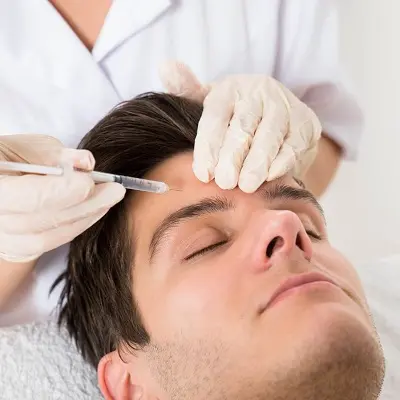
Do Hair Transplants Leave Scars? Facts for New Patients
Posted On Dec 24, 2025Learn how to prevent and treat hair transplant scars effectively. Discover modern techniques, aftercare tips, and solutions for natural-looking results for a Hair Transplant.
Hair Transplant have become a widely trusted solution for individuals struggling with hair loss. While the procedure can restore hair and boost confidence, many prospective patients worry about scarring. Understanding the facts about hair transplant scars is essential for anyone considering this procedure. This article explores the realities of scarring, different techniques, and what patients can do to minimize visible marks.
Understanding Hair Transplant Procedures
Hair transplants involve relocating hair follicles from a donor area, usually the back or sides of the scalp, to areas experiencing thinning or baldness. There are two primary techniques:
Follicular Unit Extraction (FUE) – Individual follicles are harvested and transplanted. This method leaves tiny, dot-like marks that are usually difficult to notice.
Follicular Unit Transplantation (FUT) – A strip of scalp is removed from the donor area, dissected into individual follicular units, and transplanted. FUT typically leaves a linear scar in the donor area, which may be visible if the hair is cut very short.
Understanding the differences between these techniques is key to setting realistic expectations about scarring.
Will a Hair Transplant Leave Scars?
The answer depends on the technique used, the surgeon’s skill, and post-operative care.
FUE Scarring – Because follicles are extracted individually, scarring is minimal and usually appears as tiny dots. These marks often heal within weeks and are generally not noticeable even with short hairstyles.
FUT Scarring – FUT leaves a linear scar at the donor site. Skilled surgeons can make this scar narrow and easy to conceal under existing hair. However, patients who prefer very short hairstyles may still notice the line.
In both cases, proper healing and aftercare are critical for minimizing visible scars.
Factors That Influence Scarring
Several factors determine how noticeable a hair transplant scar may be:
Surgical Technique – FUE generally results in less visible scarring than FUT.
Surgeon’s Experience – Experienced practitioners can ensure precise extractions and careful closure of donor areas.
Skin Type and Healing Ability – Individuals with thicker or more elastic skin may heal better. Those prone to keloid or hypertrophic scars may experience more noticeable marks.
Post-Surgery Care – Following instructions for cleaning, avoiding sun exposure, and not scratching the scalp is crucial for optimal healing.
By understanding these factors, patients can choose the method and care approach that best suits their needs.
How to Minimize Hair Transplant Scars
While some scarring is inevitable, several strategies can reduce visibility:
Choose the Right Technique – FUE is often recommended for those concerned about visible scars.
Select an Experienced Surgeon – Skill and precision during surgery can significantly impact scar size and appearance.
Follow Post-Operative Instructions – Proper cleaning, avoiding scratching, and protecting the scalp from sun exposure promote better healing.
Consider Scar Revision or Concealing Methods – If a scar is noticeable, treatments like scalp micropigmentation or strategic hair styling can help conceal it.
Minimizing scarring begins before the procedure and continues throughout the recovery process.
Recovery and Scar Healing
Healing times vary depending on the technique:
FUE – Small puncture wounds generally heal within a week or two, leaving minimal traces.
FUT – Linear scars may take several weeks to heal fully, with the surrounding tissue gradually blending in over time.
During recovery, patients may notice redness, swelling, or mild discomfort at the donor site. These symptoms are normal and subside with proper care. Scar maturation can continue for several months, and most marks become less noticeable as healing progresses.
Addressing Common Concerns About Scars
Many new patients have specific concerns regarding hair transplant scars:
Visibility with Short Hair – FUE scars are typically undetectable even with a very short haircut, while FUT scars may be visible if hair is cut extremely short.
Long-Term Appearance – Most scars fade over time and blend with natural hair growth. Proper care and, in some cases, minor corrective procedures can further improve appearance.
Pain and Discomfort – Scars from hair transplants usually cause minimal discomfort once the initial healing period is over.
Understanding these points helps patients approach the procedure with realistic expectations and confidence.
FAQs About Hair Transplant Scars
1. Are hair transplant scars permanent?
Yes, all surgical procedures leave some form of scar, but with FUE, the marks are tiny and usually not noticeable, while FUT leaves a linear scar that can be concealed.
2. Can scars be hidden completely?
Most FUE scars are invisible, even with short hairstyles. FUT scars can be covered by longer hair or treated with techniques like scalp micropigmentation.
3. Does the type of hair affect scarring?
Hair thickness, curl, and density can help camouflage scars naturally. Thicker hair provides better coverage.
4. How long does it take for scars to heal?
FUE puncture scars generally heal in 1–2 weeks, while FUT linear scars may take several weeks to several months to fully blend in.
5. Can scar appearance be improved after surgery?
Yes, treatments such as micropigmentation, laser therapy, or minor surgical revision can help reduce the visibility of scars.
6. Is there a risk of keloid formation?
Individuals prone to keloid or hypertrophic scarring may experience more noticeable scars. Discussing personal scar history with a surgeon helps manage this risk.
Conclusion
Hair transplants are a reliable solution for hair restoration, and concerns about scarring are common among new patients. While all procedures leave some marks, the type and visibility of scars depend on the technique, surgeon skill, and post-operative care. FUE offers minimal, nearly invisible scarring, whereas FUT leaves a linear scar that can often be concealed. By understanding these factors, following proper aftercare, and choosing an experienced practitioner, patients can achieve natural-looking results with minimal evidence of surgery.
For anyone considering a hair transplant, knowing the facts about scarring can reduce anxiety and help make an informed decision, ensuring a smooth experience and satisfying results.





;)