Enfield Royal Clinic Oman

 Home
Home  About Enfield Royal Clinic Oman
  Treatments
  Make An Enquiry





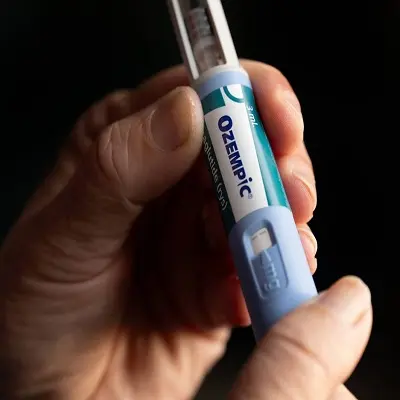
Dosage adjustments explained for Ozempic Injection starters
Posted On May 30, 2026Ozempic injection is a prescription medicine used to improve blood sugar control in adults with type 2 diabetes. Learn uses, dosage, and side effects.
Ozempic has become one of the most widely discussed medications in modern weight management and type 2 diabetes care. As interest grows across different regions, many individuals searching for treatment options often come across terms like Best Ozempic Injections in Oman, especially when trying to understand how the medication is used, adjusted, and maintained over time. While availability and prescribing practices vary by country, the core principles of dosage adjustment remain consistent and medically guided.
For beginners starting Ozempic (semaglutide) injections, understanding how dosage adjustments work is essential. The medication is not introduced at full strength immediately; instead, it follows a gradual titration process designed to improve tolerance and reduce side effects while supporting long-term effectiveness. This article explains dosage adjustments in a simple, expert, and patient-friendly way.
Understanding Ozempic and How It Works in the Body
Ozempic is a once-weekly injectable medication that belongs to the GLP-1 receptor agonist class. It works by mimicking a natural hormone in the body that helps regulate blood sugar levels, appetite, and digestion.
When someone takes Ozempic, it helps:
- Stimulate insulin release when blood sugar is high
- Reduce excess glucose production in the liver
- Slow down gastric emptying (keeping the stomach fuller for longer)
- Reduce appetite and cravings
Because of these effects, it is commonly prescribed for type 2 diabetes management and is often discussed in weight-related treatment plans under medical supervision.
However, since the body needs time to adapt to these changes, dosage adjustments are carefully planned.
Why Dosage Adjustment is Important for Ozempic Starters
For new users, the body may not immediately tolerate the full therapeutic dose of Ozempic. Starting too high can increase the likelihood of gastrointestinal side effects such as nausea, vomiting, or stomach discomfort.
This is why medical professionals follow a step-by-step dosing schedule. The main goals of gradual dosage adjustment include:
- Allowing the digestive system to adapt slowly
- Minimizing side effects during early treatment
- Improving long-term adherence to the medication
- Ensuring stable blood sugar response or weight management support
In regions where people search for Best Ozempic Injections in Oman, the emphasis is often on understanding this safe and structured titration process rather than rushing results.
Standard Ozempic Starting Dosage and Early Phase Adjustments
For most adults beginning Ozempic, treatment typically starts with a low dose of 0.25 mg once weekly. This is not considered a therapeutic dose but rather an introduction phase.
During the first 4 weeks:
- The body is gradually introduced to semaglutide
- Side effects are monitored
- The goal is tolerance building rather than full effectiveness
After this initial phase, the dosage is usually increased to 0.5 mg once weekly. This step marks the beginning of actual therapeutic benefit for many users.
If needed, and depending on medical evaluation, further increases may follow over time.
Step-by-Step Dosage Adjustment Process Explained
The dosage adjustment of Ozempic follows a structured escalation plan designed for safety and effectiveness.
Initial Stage: 0.25 mg (Weeks 1–4)
At this stage, the medication is introduced gently. The body begins adapting to hormonal changes that affect appetite and glucose regulation. Most users do not experience full weight or glucose control effects yet, as this stage is primarily for adaptation.
First Adjustment: 0.5 mg (Week 5 onward)
This is the first maintenance-level dose. At this stage:
- Blood sugar control begins improving more noticeably
- Appetite reduction becomes more consistent
- Some users may begin to see early weight changes
Doctors usually evaluate how well the patient tolerates this dose before considering further increases.
Advanced Adjustments: 1 mg and 2 mg (If Required)
If additional control is needed and the medication is well tolerated, the dose may be gradually increased to 1 mg and then up to a maximum of 2 mg weekly.
These adjustments depend on:
- Individual response to treatment
- Side effect tolerance
- Blood sugar or weight management goals
- Medical history and ongoing evaluation
Not every patient requires the maximum dose, as effectiveness varies individually.
Factors That Influence Dosage Adjustments
Dosage adjustments are never universal. Several personal and medical factors influence how a healthcare provider modifies Ozempic dosing.
1. Individual Tolerance Levels
Some individuals may experience nausea or digestive discomfort at higher doses, requiring slower progression.
2. Treatment Goals
Patients using Ozempic for diabetes control may follow a different adjustment path compared to those focusing on weight-related outcomes under medical supervision.
3. Lifestyle and Diet
Dietary habits can influence how the body reacts to the medication. Heavier or high-fat diets may intensify gastrointestinal effects in early stages.
4. Existing Medical Conditions
Kidney function, gastrointestinal health, and other chronic conditions may impact dosing decisions.
5. Response to Medication
If blood sugar levels or appetite changes are not sufficient, gradual increases may be recommended.
Possible Side Effects During Dose Changes
As dosage increases, the body may temporarily experience side effects. These are generally mild and often improve over time.
Common effects include:
- Nausea
- Reduced appetite
- Mild vomiting
- Constipation or diarrhea
- Bloating or fullness
Less common but serious effects should always be reported to a healthcare provider immediately.
Proper hydration, balanced meals, and slow eating habits often help reduce discomfort during dosage transitions.
Why People Search for Best Ozempic Injections in Oman
The phrase Best Ozempic Injections in Oman is commonly searched by individuals looking for reliable information about availability, safe usage, and treatment expectations in that region. However, what truly matters in any location is not the brand or source alone, but the correct medical guidance behind dosage and administration.
Ozempic effectiveness depends heavily on:
- Correct dosing schedule
- Regular monitoring
- Patient adherence to weekly injections
- Lifestyle modifications alongside treatment
Rather than focusing on location-based assumptions, medical experts emphasize safe titration and personalized care as the key to successful outcomes.
Tips for Safe and Effective Ozempic Use
To support better results during dosage adjustments, individuals are often advised to:
- Take the injection on the same day each week
- Rotate injection sites to avoid irritation
- Follow dietary guidance for better tolerance
- Avoid skipping doses without medical advice
- Track side effects and progress consistently
These practices help ensure smoother adjustment and better overall results.
FAQs About Ozempic Dosage Adjustments
1. What is the starting dose of Ozempic for beginners?
The usual starting dose is 0.25 mg once weekly for the first four weeks. This phase is mainly for helping the body adjust to the medication.
2. Why is Ozempic not started at a higher dose?
Starting at a high dose can increase side effects such as nausea and stomach discomfort. A gradual increase helps the body adapt safely.
3. How long does it take to reach a maintenance dose?
Most individuals reach a maintenance dose after about 4 to 8 weeks, depending on how well they tolerate the medication.
4. Can the dosage be changed quickly if results are slow?
Dosage changes are always gradual and medically supervised. Even if results are slow, increases are not made abruptly to avoid side effects.
5. What happens if a dose is missed?
If a dose is missed, it should be taken within a few days if possible. Otherwise, the next scheduled dose should be taken as usual without doubling.
6. Do all patients need the maximum Ozempic dose?
No, many patients achieve good results at lower doses. The maximum dose is only used when necessary and well tolerated.
Read More About Ozempic Injection: https://www.citymapia.com/muscat/enfield-royal-clinic-oman/blog/how-weight-changes-with-26108





;)