Enfield Royal Clinic Oman

 Home
Home  About Enfield Royal Clinic Oman
  Treatments
  Make An Enquiry





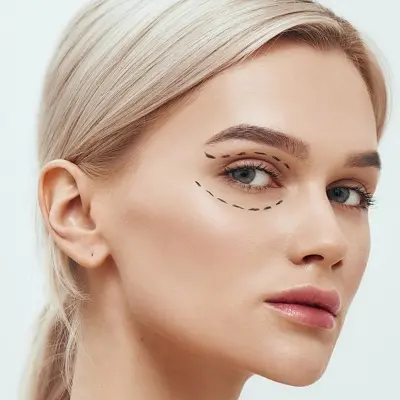
Eyelid Surgery for Droopy Lids: Treatment Options Explained
Posted On Jul 11, 2026Enhance your appearance with expert eyelid surgery. Reduce droopy lids, under-eye bags, and signs of aging for a refreshed, youthful look.
Droopy eyelids can affect more than just appearance. For many people, they can interfere with vision, make the eyes feel heavy, and create a constantly tired or aged look. While some cases are mild and primarily cosmetic, others can impact daily activities such as reading, driving, or using digital devices. Fortunately, Eyelid Surgery offers an effective solution for correcting droopy lids and restoring both function and appearance.
Understanding the causes of drooping eyelids and the available treatment options helps individuals make informed decisions about their eye health. Whether the concern is related to aging, genetics, or an underlying medical condition, modern surgical techniques provide safe and long-lasting results for many patients.
What Causes Droopy Eyelids?
Droopy eyelids, medically known as ptosis when caused by weakened eyelid muscles, can develop for several reasons. In some people, the condition is present from birth, while in others it develops gradually over time.
Common causes include:
Natural aging that weakens the muscles responsible for lifting the eyelids.
Loss of skin elasticity, causing excess skin to hang over the eyes.
Genetics and inherited facial features.
Previous eye surgery or trauma.
Nerve or muscle disorders affecting eyelid movement.
Long-term use of contact lenses in some individuals.
Medical conditions that weaken the muscles around the eyes.
In many adults, aging is the primary reason. As collagen and elastin decrease with age, the skin around the eyes becomes looser, leading to sagging upper eyelids.
Signs That Eyelid Surgery May Be Worth Considering
Not every droopy eyelid requires surgery. However, certain symptoms may indicate that professional evaluation is appropriate.
These may include:
Upper eyelids that partially block vision.
Difficulty keeping the eyes fully open.
Constant eyebrow lifting to improve vision.
Eye strain or forehead fatigue from compensating for heavy eyelids.
A tired or sleepy appearance even after adequate rest.
Uneven eyelids affecting facial symmetry.
Excess skin interfering with daily activities.
When drooping eyelids affect quality of life or vision, Eyelid Surgery may be recommended after a comprehensive eye examination.
What Is Eyelid Surgery?
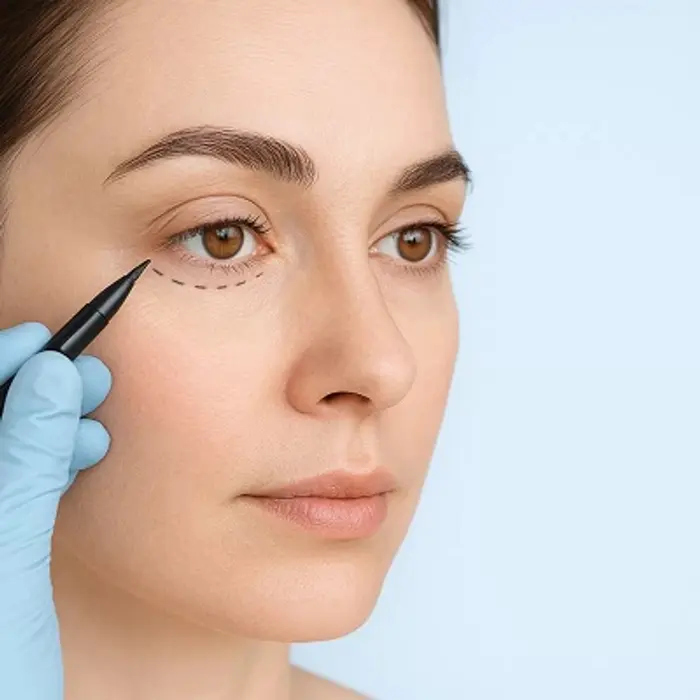
Eyelid Surgery, also known as blepharoplasty in many cases, is a surgical procedure designed to improve the appearance or function of the upper or lower eyelids. Depending on the individual's needs, the procedure may involve removing excess skin, tightening muscles, or repositioning fat around the eyes.
There are two main goals of the surgery:
Improve vision by eliminating skin or tissue that blocks the visual field.
Create a more refreshed and youthful eye appearance.
In some patients, surgery addresses both cosmetic and functional concerns simultaneously.
Different Treatment Options for Droopy Lids
The best treatment depends on the underlying cause of the drooping eyelids. A thorough evaluation helps determine the most suitable approach.
Upper Eyelid Surgery
This is the most common option for age-related drooping. During the procedure, excess skin and sometimes small amounts of fat are removed from the upper eyelids. The muscles responsible for lifting the eyelid may also be tightened if necessary.
This treatment often improves:
Peripheral vision.
Eye comfort.
Facial appearance.
Eyelid symmetry.
Ptosis Repair Surgery
When the drooping is caused by weakened eyelid muscles rather than excess skin, ptosis repair focuses on strengthening or repositioning the muscle that lifts the eyelid.
This procedure is especially beneficial for individuals whose eyelids cover part of the pupil, affecting vision.
Lower Eyelid Surgery
Although lower eyelids rarely cause vision problems, surgery may be performed to reduce puffiness, remove excess skin, or correct sagging that creates an aged appearance.
In some cases, upper and lower eyelid procedures are performed together to achieve balanced results.
Combination Procedures
Some individuals benefit from combining Eyelid Surgery with other facial rejuvenation treatments. Depending on personal goals, this may include procedures that improve the forehead or eyebrows when these areas contribute to heavy upper eyelids.
The treatment plan is always customized according to the patient's anatomy and desired outcome.
Non-Surgical Approaches
Mild drooping caused by temporary swelling or skin changes may improve with non-surgical options such as lifestyle adjustments, skin care, or prescription treatments. However, these methods generally cannot correct significant muscle weakness or excess skin.
For moderate to severe drooping, surgery typically provides the most reliable and lasting improvement.
What Happens During the Procedure?
The exact surgical process varies depending on the type of correction required.
Generally, the procedure involves:
Administering local anesthesia with sedation or, in some cases, general anesthesia.
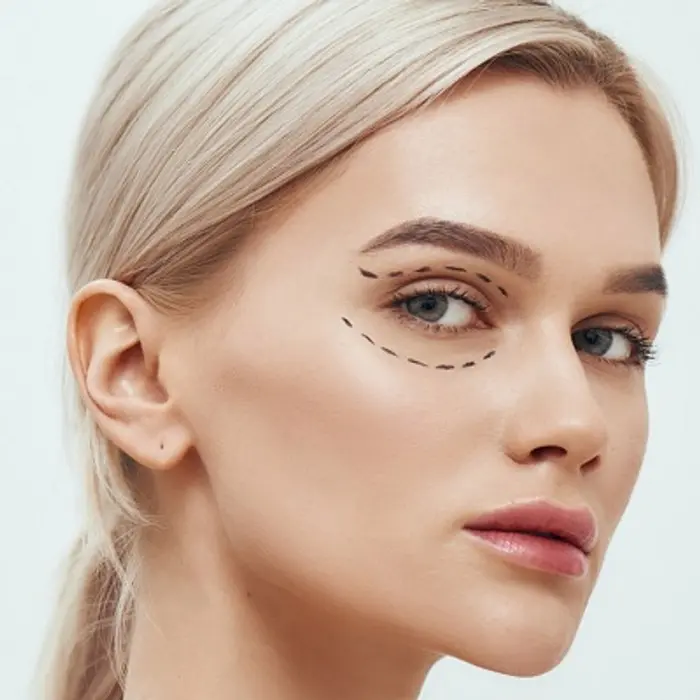
Creating carefully placed incisions along the natural eyelid crease.
Removing or repositioning excess skin, fat, or muscle.
Tightening weakened tissues when necessary.
Closing the incision with fine sutures to minimize visible scarring.
Because incisions are usually hidden within the natural folds of the eyelid, scars often become difficult to notice once healing is complete.
Most procedures are completed on an outpatient basis, allowing patients to return home the same day.
Recovery After Eyelid Surgery
Recovery is generally smooth for most healthy individuals when post-operative instructions are followed carefully.
During the first few days, it is common to experience:
Mild swelling.
Bruising around the eyes.
Temporary dryness or tearing.
Light sensitivity.
Minor discomfort.
Cold compresses and prescribed medications help reduce swelling and improve comfort.
Most people gradually return to light daily activities within one to two weeks, although complete healing continues over several weeks or months.
Patients are usually advised to:
Avoid heavy lifting and strenuous exercise during the early recovery period.
Sleep with the head elevated.
Keep the surgical area clean.
Wear sunglasses outdoors.
Avoid rubbing the eyes.
Follow all scheduled follow-up appointments.
Healing times vary depending on the extent of the procedure and individual health factors.
Benefits of Eyelid Surgery
Many individuals choose Eyelid Surgery because it offers both functional and cosmetic improvements.
Potential benefits include:
Improved field of vision.
Brighter, more alert appearance.
Reduced heaviness of the eyelids.
Better facial symmetry.
Increased confidence.
Long-lasting results.
Easier application of makeup for some individuals.
Reduced forehead strain caused by constantly raising the eyebrows.
When performed for functional reasons, the surgery can significantly improve daily comfort and quality of life.
Who Is a Good Candidate?
A thorough evaluation helps determine whether surgery is appropriate.
Good candidates generally include adults who:
Have healthy eyes without active infections.
Experience drooping that affects vision or appearance.
Are in good overall health.
Have realistic expectations.
Do not smoke or are willing to stop smoking during recovery.
Understand both the benefits and potential risks.
Certain medical conditions affecting healing or eye health may require additional assessment before surgery is recommended.
Are There Any Risks?
Like any surgical procedure, Eyelid Surgery carries some risks, although serious complications are uncommon when performed by qualified medical professionals.
Possible risks include:
Temporary swelling or bruising.
Infection.
Bleeding.
Dry eyes.
Temporary blurred vision.
Scarring.
Asymmetry.
Difficulty fully closing the eyes during early healing.
Rare changes in vision.
Careful surgical planning, proper aftercare, and regular follow-up appointments help reduce these risks.
How Long Do Results Last?
The results of Eyelid Surgery are generally long-lasting. Many individuals enjoy improvements for years, especially when maintaining a healthy lifestyle and protecting the skin from excessive sun exposure.
Although surgery cannot stop the natural aging process, it can provide significant and durable correction of droopy eyelids. Future aging may gradually affect the surrounding tissues, but the improvements achieved through surgery typically remain noticeable for a long time.
Preparing for Eyelid Surgery
Preparation plays an important role in achieving a smooth recovery.
Patients may be advised to:
Complete a comprehensive eye examination.
Discuss all current medications and supplements.
Stop smoking before surgery if applicable.
Arrange transportation home after the procedure.
Prepare recovery supplies such as cold compresses and prescribed medications.
Follow fasting instructions if sedation or general anesthesia will be used.
Open communication with the surgical team ensures that patients understand every step of the process before the procedure.
Final Thoughts
Droopy eyelids can affect both vision and self-confidence, but effective treatment options are available. Whether caused by aging, genetics, or weakened eyelid muscles, Eyelid Surgery remains one of the most reliable methods for restoring a clearer field of vision and creating a more refreshed appearance.
Choosing the right treatment begins with understanding the cause of the drooping and receiving a comprehensive medical evaluation. Every individual has unique needs, so treatment recommendations should always be personalized. With modern surgical techniques, careful planning, and proper recovery, many people experience significant functional improvements along with natural-looking cosmetic results that last for years.
FAQs
1. What is Eyelid Surgery used for?
Eyelid Surgery is used to correct droopy eyelids, remove excess skin, improve vision when eyelids obstruct the visual field, and create a more refreshed appearance around the eyes.
2. Is Eyelid Surgery only for cosmetic purposes?
No. While many people choose the procedure for cosmetic improvement, it is also commonly performed to restore vision and improve eyelid function when drooping interferes with daily activities.
3. How long does recovery usually take after Eyelid Surgery?
Most people return to light daily activities within one to two weeks. Swelling and bruising gradually improve during this time, while complete healing may continue over several months.
4. Are the results of Eyelid Surgery permanent?
The results are long-lasting, but the natural aging process continues over time. Many individuals enjoy noticeable improvements for many years after the procedure.
5. Does Eyelid Surgery leave visible scars?
Incisions are usually placed within the natural folds of the eyelids, making scars difficult to notice once healing is complete.
6. Who should consider Eyelid Surgery?
People with drooping eyelids that affect vision, cause eye fatigue, create a heavy appearance, or impact confidence may benefit from an evaluation to determine whether Eyelid Surgery is an appropriate treatment option.
Read More About Eyelid Surgery: https://666972af349f3.site123.me/blog/eyelid-surgery-complete-beginner-s-guide-to-better-vision





;)