Enfield Royal Clinic Oman

 Home
Home  About Enfield Royal Clinic Oman
  Treatments
  Make An Enquiry





Eyelid Surgery Without General Anesthesia: What to Know
Posted On Jul 11, 2026Enhance your appearance with expert eyelid surgery. Reduce droopy lids, under-eye bags, and signs of aging for a refreshed, youthful look.
Many people considering Eyelid Surgery in Muscat are surprised to learn that the procedure can often be performed without general anesthesia. Modern surgical techniques and advanced anesthesia options have made eyelid surgery more comfortable, convenient, and accessible for suitable candidates. For many patients, local anesthesia combined with mild sedation offers a safe and effective alternative to being completely asleep during the procedure.
Whether the goal is to reduce sagging upper eyelids, remove under-eye bags, or achieve a more refreshed appearance, understanding how anesthesia works can help patients feel more confident about the process. Learning what to expect before, during, and after surgery is an important step toward making an informed decision.
This guide explains everything readers should know about undergoing Eyelid Surgery in Muscat without general anesthesia, including its benefits, who qualifies, and what recovery typically involves.
What Is Eyelid Surgery?
Eyelid surgery, also known as blepharoplasty, is a cosmetic or functional procedure that removes or repositions excess skin, fat, and sometimes muscle around the upper or lower eyelids. The surgery can improve vision when drooping eyelids interfere with sight and can also enhance facial appearance by creating a more youthful and rested look.
Common reasons people choose eyelid surgery include:
Drooping upper eyelids
Puffy bags beneath the eyes
Loose skin that affects vision
Excess wrinkles around the eyelids
A tired or aged facial appearance
Depending on the individual's concerns, the procedure may involve the upper eyelids, lower eyelids, or both.
Can Eyelid Surgery Be Performed Without General Anesthesia?
Yes, in many cases, eyelid surgery can be safely performed using local anesthesia with or without light sedation. This means the patient remains awake but comfortable throughout the procedure.
Local anesthesia numbs the treatment area, preventing pain while allowing the surgeon to perform the operation with precision. Mild sedation may also be given to help patients feel calm and relaxed, although they remain responsive during the procedure.
General anesthesia is usually reserved for more complex surgeries, combined facial procedures, or patients with specific medical needs.
For many individuals undergoing Eyelid Surgery in Muscat, avoiding general anesthesia offers several advantages without compromising the quality of the results.
Benefits of Avoiding General Anesthesia
Choosing local anesthesia whenever appropriate can provide multiple benefits for both the patient and the surgical team.
Faster Recovery
Since patients do not experience the lingering effects of general anesthesia, recovery often begins more quickly. Many people feel alert shortly after the procedure and can return home the same day.
Lower Anesthesia Risks
General anesthesia carries certain risks, particularly for older adults or individuals with chronic medical conditions. Local anesthesia reduces many of these risks while still providing effective pain control.
Less Nausea and Dizziness
Some people experience nausea, vomiting, or grogginess after general anesthesia. Local anesthesia significantly reduces the likelihood of these side effects.
Better Communication During Surgery
When awake, patients may occasionally assist by opening or closing their eyes if requested. This can help the surgeon achieve natural eyelid positioning and symmetry.
Shorter Procedure Time
Without the need for induction and recovery from general anesthesia, the overall surgical visit is often shorter and more efficient.
What Happens During the Procedure?
Knowing what to expect can ease anxiety for those considering surgery without being fully asleep.
The process generally follows these steps:
Initial Preparation
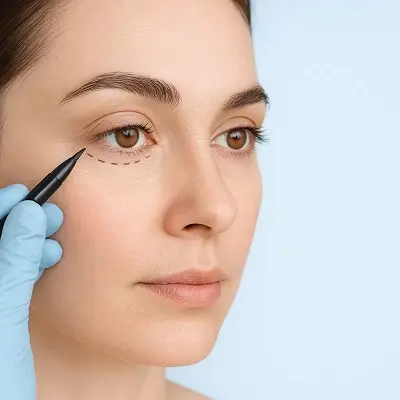
The eyelid area is carefully cleaned, and markings are made to guide the surgical plan. The medical team explains each step before beginning.
Local Anesthetic Injection
A numbing medication is injected into the eyelids. Patients may feel brief pressure or a slight sting, but this usually lasts only a few seconds.
Once numbness develops, the area becomes comfortable, allowing the surgery to proceed without pain.
Mild Sedation if Needed
Some patients receive medication through an IV or by mouth to help them relax. They remain awake but feel calm and less aware of the surroundings.
Surgical Procedure
The surgeon makes carefully planned incisions, removes or repositions excess tissue, and closes the incisions with fine sutures. Throughout the procedure, patients generally feel pressure or gentle movement rather than pain.
Most eyelid surgeries are completed within one to three hours, depending on whether one or both eyelids are treated.
Who Is a Good Candidate for Eyelid Surgery Without General Anesthesia?
Not everyone requires general anesthesia, and many healthy adults qualify for local anesthesia instead.
Ideal candidates often include those who:
Need only upper or lower eyelid surgery
Are in good general health
Have realistic expectations
Feel comfortable remaining awake during the procedure
Do not require multiple facial surgeries at the same time
Before recommending the most appropriate anesthesia option, the surgeon reviews the patient's medical history, medications, allergies, and overall health.
Some patients with severe anxiety or complex medical conditions may still benefit from general anesthesia based on individual circumstances.
Recovery After Eyelid Surgery
Recovery following eyelid surgery performed under local anesthesia is often smooth and predictable.
Patients usually go home on the same day after a short observation period.
During the first few days, it is common to experience:
Mild swelling
Bruising
Temporary tightness
Slight discomfort
Watery eyes
Cold compresses, prescribed medications, and proper rest help reduce these symptoms.
Most individuals gradually return to normal daily activities within one to two weeks, although strenuous exercise should be postponed until approved by the surgeon.
Following aftercare instructions carefully supports proper healing and helps achieve the best possible outcome.
Tips for a Comfortable Recovery
Successful healing depends not only on the surgery itself but also on proper post-operative care.
Helpful recovery tips include:
Sleep with the head elevated.
Avoid rubbing the eyes.
Wear sunglasses outdoors.
Follow medication instructions carefully.
Avoid smoking during healing.
Stay hydrated and maintain a healthy diet.
Attend all scheduled follow-up appointments.
Patients should also avoid wearing contact lenses until they receive clearance from their healthcare provider.
Are There Any Risks?
Like any surgical procedure, eyelid surgery carries some potential risks, although serious complications are uncommon when performed by qualified professionals.
Possible risks include:
Infection
Bleeding
Dry eyes
Temporary blurred vision
Scarring
Asymmetry
Delayed healing
Choosing an experienced surgical team, following pre-operative guidance, and attending follow-up visits help minimize these risks.
Patients should immediately report severe pain, excessive swelling, fever, or sudden vision changes if they occur after surgery.
Is Eyelid Surgery Without General Anesthesia Right for Everyone?
The choice between local and general anesthesia depends on several individual factors.
Patients undergoing isolated eyelid surgery often find local anesthesia to be an excellent option because it provides comfort while avoiding many of the side effects associated with general anesthesia.
However, the final decision should always be based on a thorough medical evaluation, the complexity of the procedure, patient preference, and professional recommendations.
For many people considering Eyelid Surgery in Muscat, understanding these options makes the treatment journey less intimidating and helps set realistic expectations from consultation through recovery.
Final Thoughts
Advancements in surgical techniques have made eyelid surgery safer, more comfortable, and more efficient than ever before. For many suitable candidates, undergoing the procedure without general anesthesia offers a combination of safety, convenience, and faster recovery.
Patients can often return home the same day, experience fewer anesthesia-related side effects, and enjoy excellent surgical outcomes while remaining comfortable throughout the procedure.
Anyone considering Eyelid Surgery in Muscat should discuss anesthesia options during their consultation, ask questions about the recovery process, and ensure they fully understand what to expect before making a decision. With proper planning, realistic expectations, and careful aftercare, eyelid surgery can provide lasting functional and cosmetic benefits that help individuals look and feel more refreshed.
FAQs
1. Is eyelid surgery painful without general anesthesia?
Most patients experience very little discomfort. Local anesthesia effectively numbs the treatment area, and mild sedation can help patients remain relaxed throughout the procedure.
2. How long does eyelid surgery without general anesthesia take?
The procedure typically takes between one and three hours, depending on whether the upper eyelids, lower eyelids, or both are being treated.
3. Can patients go home the same day after surgery?
Yes. In most cases, patients are discharged on the same day after a brief recovery period and should arrange for someone to drive them home.
4. Who should avoid local anesthesia for eyelid surgery?
Individuals with certain medical conditions, severe anxiety, or those undergoing more extensive facial procedures may be advised to have general anesthesia instead. The decision is made after a complete medical assessment.
5. How soon can normal activities be resumed?
Many patients return to light daily activities within several days, while most resume regular routines within one to two weeks. Recovery times vary depending on individual healing.
6. Are the results of eyelid surgery permanent?
The improvements are generally long-lasting. While the natural aging process continues, many patients enjoy their results for years with proper skin care and a healthy lifestyle.
Read More About Eyelid Surgery: https://666972af349f3.site123.me/blog/what-makes-someone-a-good-candidate-for-eyelid-surgery








;)