Enfield Royal Clinic Oman

 Home
Home  About Enfield Royal Clinic Oman
  Treatments
  Make An Enquiry





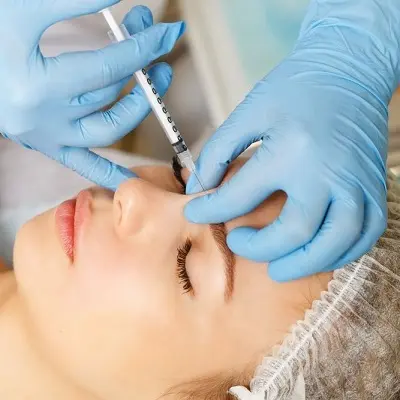
Glutathione Injections for Skin Whitening: Does It Work?
Posted On Feb 24, 2026Boost your health and skin radiance with Glutathione injections. Discover their antioxidant benefits, detox support, and potential for a brighter, healthier you.
In recent years, the beauty and wellness industry has seen a surge in interest around skin whitening and brightening treatments. Among these, Glutathione Injections have gained significant attention for their purported ability to lighten skin tone and improve overall skin health. But do they really work, and are they safe? This article explores the science, benefits, risks, and FAQs surrounding glutathione injections.
What Is Glutathione?
Glutathione is a naturally occurring antioxidant produced by the liver. It is made up of three amino acids: cysteine, glutamine, and glycine. This powerful antioxidant helps neutralize free radicals in the body, supports detoxification, and boosts the immune system. Beyond its internal health benefits, glutathione has also been marketed for cosmetic purposes, particularly in skin lightening.
Glutathione plays a role in melanin production, the pigment responsible for skin color. By influencing the enzymatic pathways involved in melanin synthesis, it is believed to reduce the production of eumelanin (the darker pigment) and increase pheomelanin (the lighter pigment), potentially resulting in a fairer skin tone over time.
How Do Glutathione Injections Work for Skin Whitening?
Glutathione can be administered in multiple ways: orally, topically, or via injections. Among these, intravenous (IV) or intramuscular injections are thought to provide the most direct and effective results. When injected, glutathione bypasses the digestive system, allowing higher concentrations to circulate in the bloodstream.
The mechanism behind skin lightening involves glutathione's ability to:
Inhibit melanin production – Reducing eumelanin can lead to lighter skin over time.
Detoxify the skin – By neutralizing free radicals, glutathione may help reduce oxidative stress, which can cause uneven skin tone and premature aging.
Improve overall skin health – Antioxidant properties can contribute to a brighter, more radiant complexion.
While many people report noticeable skin lightening after regular treatments, results can vary depending on genetics, skin type, dosage, and lifestyle factors.
Potential Benefits of Glutathione Injections
Brighter, more even skin tone – Many users claim improved skin clarity and reduced pigmentation issues.
Anti-aging effects – As an antioxidant, glutathione may help reduce the appearance of fine lines and wrinkles.
Detoxification – Supporting liver function can indirectly improve skin health by removing toxins more efficiently.
Enhanced energy and immunity – Some individuals notice increased vitality and immune support, though these effects are secondary to cosmetic purposes.
Risks and Considerations
While glutathione injections are often marketed as safe, they are not without potential risks:
Allergic reactions – Some individuals may experience rashes, itching, or swelling at the injection site.
Kidney and liver strain – High doses over long periods may place stress on organs responsible for metabolizing glutathione.
Limited research – Despite growing popularity, long-term studies on safety and efficacy are limited.
Temporary results – Skin lightening effects may fade if treatments are stopped or if lifestyle factors like sun exposure are not managed.
It’s important to note that not all individuals respond the same way. Factors such as skin tone, genetic predisposition, and overall health can influence results.
How Long Does It Take to See Results?
Results vary widely among users. Some individuals report subtle changes after a few weeks, while others may need several months of regular injections to notice visible improvements. Consistency is key, but it is also important to combine treatments with healthy skin habits such as:
Proper sun protection
A balanced diet rich in antioxidants
Adequate hydration
Regular skin care routines
Setting realistic expectations is crucial. Glutathione injections may lighten skin gradually, but dramatic changes are unlikely without sustained treatment.
Alternatives to Glutathione Injections
For those hesitant about injections, there are alternative ways to boost glutathione levels and support skin health:
Oral supplements – Glutathione tablets or capsules, though less potent due to digestion, can still contribute to overall antioxidant levels.
Topical creams and serums – These may provide localized brightening effects but often require consistent application over months.
Dietary sources – Foods like spinach, avocado, asparagus, and garlic naturally boost glutathione production.
Healthy lifestyle practices – Reducing alcohol intake, quitting smoking, managing stress, and exercising can enhance the body’s natural antioxidant defenses.
These alternatives may not produce the same dramatic results as injections but can support overall skin health safely and sustainably.
FAQs About Glutathione Injections
1. Are glutathione injections safe for everyone?
Most healthy adults tolerate glutathione injections well, but they may not be suitable for individuals with liver or kidney issues, pregnant or breastfeeding women, or those with certain allergies. Consulting a healthcare professional before starting treatment is essential.
2. How often should glutathione injections be taken?
Frequency depends on the desired results and individual response. Typical protocols range from once to twice weekly initially, with maintenance sessions spaced further apart. Professional guidance ensures optimal safety and effectiveness.
3. Can glutathione injections treat other skin conditions?
Glutathione’s antioxidant properties may improve general skin health, helping with mild pigmentation, uneven skin tone, and dullness. However, it is not a treatment for medical skin conditions like eczema or psoriasis.
4. Will results last permanently?
Results are usually temporary. Skin lightening effects may diminish if treatments are stopped or if the skin is exposed to excessive sunlight without protection. Maintaining healthy habits can prolong benefits.
5. Are there side effects?
Side effects are generally mild and may include temporary swelling, redness, or itching at the injection site. Serious reactions are rare but possible, so monitoring and proper administration are important.
6. Can glutathione injections replace a healthy skincare routine?
No. Injections can support skin appearance, but they should complement—not replace—daily skincare, sun protection, and a nutritious diet.
7. Is glutathione injection more effective than oral supplements?
Injections bypass the digestive system, leading to higher absorption and potentially faster results compared to oral supplements. However, oral glutathione can still be beneficial for overall health and antioxidant support.
Conclusion
Glutathione injections offer a popular option for those seeking brighter, more even-toned skin. While some scientific evidence supports their antioxidant and melanin-inhibiting effects, individual results vary. Safety, consistency, and realistic expectations are key when considering this treatment.
For those exploring glutathione injections, it is essential to weigh the potential benefits against possible risks, consider alternative methods, and adopt healthy lifestyle practices to maximize results. Ultimately, achieving radiant and healthy skin is a combination of safe cosmetic treatments, proper skincare, and overall wellness.




;)