Muscat, Muscat Governorate

map icon mao preview icon

mail icon [email protected]

website icon https://www.enfieldroyalclinics.om Go to Website

muscat

Copyright © 2026 Citymapia.com. All Rights Reserved

Gynecomastia Surgery vs Natural Treatments: What Works Best?

Gynecomastia Surgery vs Natural Treatments: What Works Best?

Posted On Jun 18, 2026

Gynecomastia surgery removes excess male breast tissue to create a flatter, more masculine chest. Learn procedure, recovery, and benefits today.

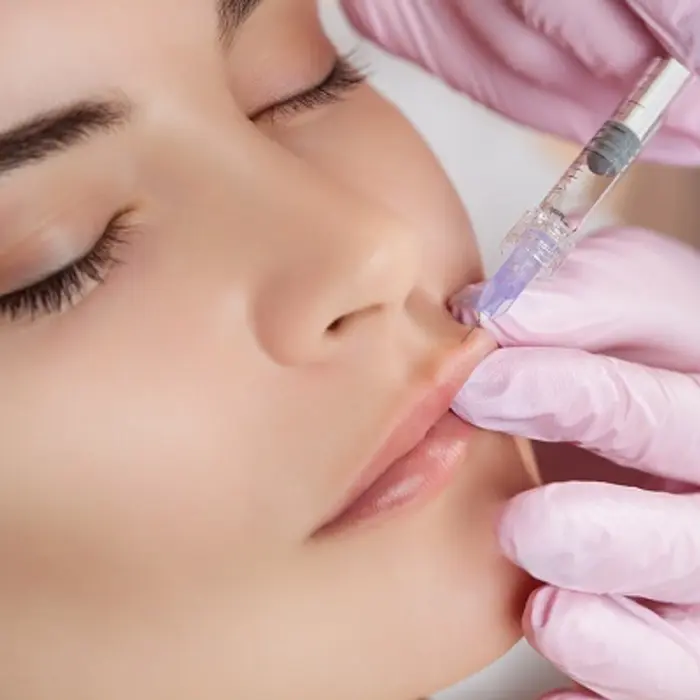
Gynecomastia is a condition that causes enlarged breast tissue in males, and it can affect confidence, comfort, and overall self-image. While it is not usually a serious medical problem, it often leads individuals to explore different ways to manage or treat it. The two most commonly discussed options are natural treatments and Gynecomastia Surgery. Understanding both approaches is essential for making an informed decision about what truly works best.

This article explores the causes of gynecomastia, available non-surgical options, and how surgery compares as a long-term solution.

Understanding Gynecomastia and Its Impact

Gynecomastia is the benign enlargement of male breast tissue caused by an imbalance between estrogen and testosterone. It can occur at different stages of life, including puberty, adulthood, and older age.

For many individuals, the condition is more than just a physical change. It can lead to emotional discomfort, social anxiety, and avoidance of activities such as swimming or sports. In some cases, one breast may be larger than the other, which can further increase self-consciousness.

While gynecomastia is not harmful in most cases, understanding its nature helps in choosing the right treatment path.

Common Causes Behind Gynecomastia

There are several factors that may contribute to the development of gynecomastia. These include hormonal changes, lifestyle habits, and underlying health conditions.

One of the most common causes is natural hormonal fluctuation, especially during puberty or aging. During these periods, testosterone levels may decrease while estrogen levels remain relatively higher, leading to breast tissue growth.

Certain medications can also play a role, particularly those that affect hormone levels or metabolism. Additionally, lifestyle factors such as obesity can contribute because excess fat tissue can increase estrogen production in the body.

In some cases, medical conditions affecting the liver, kidneys, or thyroid may also be linked to gynecomastia. However, for many individuals, the condition develops without a clear underlying disease.

Understanding the cause is important because it influences whether natural methods or surgical treatment will be more effective.

Natural Treatments for Gynecomastia: Do They Really Work?

Many individuals initially prefer natural or non-invasive treatments, hoping to avoid surgery. These methods often focus on lifestyle changes and addressing possible underlying triggers.

Lifestyle Modifications and Weight Management

For individuals with excess body fat, weight loss can sometimes reduce the appearance of enlarged chest tissue. Regular exercise, especially strength training and cardiovascular workouts, may help improve chest definition.

However, it is important to note that true glandular gynecomastia is not always affected by weight loss alone, since it involves breast gland tissue rather than fat.

Dietary Adjustments

A balanced diet that supports hormonal health may also be recommended. Reducing processed foods, limiting alcohol intake, and maintaining adequate protein and nutrient intake can support overall body composition.

Although diet alone does not eliminate gynecomastia, it can help manage contributing factors such as obesity and hormonal imbalance.

Stopping or Reviewing Medications

If gynecomastia is linked to certain medications, a healthcare provider may evaluate alternatives. However, any changes in medication should always be done under medical supervision.

Hormonal Balance Approaches

Some natural approaches aim to support hormone balance through lifestyle improvements such as stress management and adequate sleep. While these steps support general health, they rarely reverse established glandular tissue.

Overall, natural treatments may help in mild or early cases, but they are often limited in effectiveness when gynecomastia is more developed or long-standing.

Gynecomastia Surgery: A More Definitive Solution

When non-surgical methods are not effective, gynecomastia surgery becomes the most reliable option for long-term correction. It is a cosmetic surgical procedure designed to remove excess glandular tissue, fat, and sometimes skin from the chest area.

Unlike natural treatments, surgery directly addresses the physical cause of enlarged breast tissue rather than attempting to influence hormonal balance or body composition indirectly.

How Gynecomastia Surgery Works

The procedure typically involves techniques such as liposuction, gland excision, or a combination of both. Liposuction is used to remove excess fat, while excision targets firm glandular tissue that cannot be removed through suction alone.

In more severe cases, excess skin may also be removed to create a flatter and more natural chest contour.

The approach depends on the severity of the condition and the individual’s body structure.

Results and Effectiveness

One of the key advantages of gynecomastia surgery is its long-lasting results. Once the excess glandular tissue is removed, it does not typically grow back, provided that hormonal balance and body weight are maintained.

Most individuals notice a significant improvement in chest shape and symmetry, which often leads to improved self-confidence and comfort in physical appearance.

Recovery and What to Expect After Surgery

Recovery after gynecomastia surgery varies from person to person, but most individuals can return to normal daily activities within a short period.

Swelling and mild discomfort are common in the initial days, but these symptoms gradually improve. A compression garment is often recommended to support healing and help the chest adapt to its new shape.

Physical activities, especially intense workouts, are usually restricted for a few weeks to allow proper recovery. Over time, the chest continues to refine its appearance as swelling reduces.

Following post-operative care instructions is essential for achieving the best possible outcome.

Natural Treatments vs Surgery: Which One Works Best?

The effectiveness of treatment largely depends on the cause and severity of gynecomastia.

Natural treatments may be helpful in early stages, particularly when the condition is linked to weight gain, temporary hormonal changes, or lifestyle factors. However, they are generally not effective in eliminating established glandular tissue.

On the other hand, gynecomastia surgery offers a more direct and permanent solution for moderate to severe cases. It physically removes the tissue responsible for the condition, making it the most predictable option for long-term results.

In many cases, individuals start with natural approaches but later consider surgery when results remain limited.

Ultimately, the best option depends on medical evaluation, personal goals, and the extent of the condition.

Frequently Asked Questions (FAQs)

1. What is gynecomastia and how is it different from chest fat?
Gynecomastia is the enlargement of actual glandular breast tissue in males, whereas chest fat is simply excess fat accumulation. The two conditions may look similar but have different causes and treatments.

2. Can gynecomastia go away without surgery?
In some mild cases, especially during puberty or due to temporary hormonal changes, gynecomastia may reduce on its own. However, long-standing cases often do not resolve without surgical intervention.

3. Is gynecomastia surgery safe?
Gynecomastia surgery is generally considered safe when performed under proper medical standards. Like any surgical procedure, it carries some risks, but complications are uncommon when proper care is taken.

4. How long do results from gynecomastia surgery last?
Results are typically long-lasting. Once glandular tissue is removed, it does not usually return unless there are significant hormonal changes or major weight gain.

5. Will exercise alone fix gynecomastia?
Exercise can help reduce overall body fat and improve chest appearance, but it does not remove glandular breast tissue. Therefore, it may not fully correct true gynecomastia.

6. What factors determine the best treatment option?
The best treatment depends on the cause, severity, duration of the condition, and how the body responds to lifestyle changes. A professional evaluation is often necessary to decide between natural methods and surgery.

Read More About Gynecomastia Surgery: https://www.citymapia.com/muscat/enfield-royal-clinic-oman/blog/where-are-dermal-fillers-31153


Related items