Enfield Royal Clinic Oman

 Home
Home  About Enfield Royal Clinic Oman
  Treatments
  Make An Enquiry






Understanding Safety Concerns of Dermal Fillers Injections
Posted On Jun 17, 2026Learn about dermal filler injections, benefits, procedure, safety, side effects, and results. Restore volume and enhance facial features quickly.
Dermal fillers injections have become one of the most popular non-surgical cosmetic treatments in modern aesthetic medicine. They are widely used to restore lost facial volume, smooth out wrinkles, and enhance facial features such as lips, cheeks, and jawline. While the procedure is generally considered safe when performed correctly, it is still a medical treatment that comes with potential risks and safety considerations.
This article explores the safety concerns of Dermal Fillers Injections in a clear and balanced way, helping readers understand how the treatment works, what risks may be involved, and how to make informed decisions before undergoing the procedure.
What Are Dermal Fillers Injections?
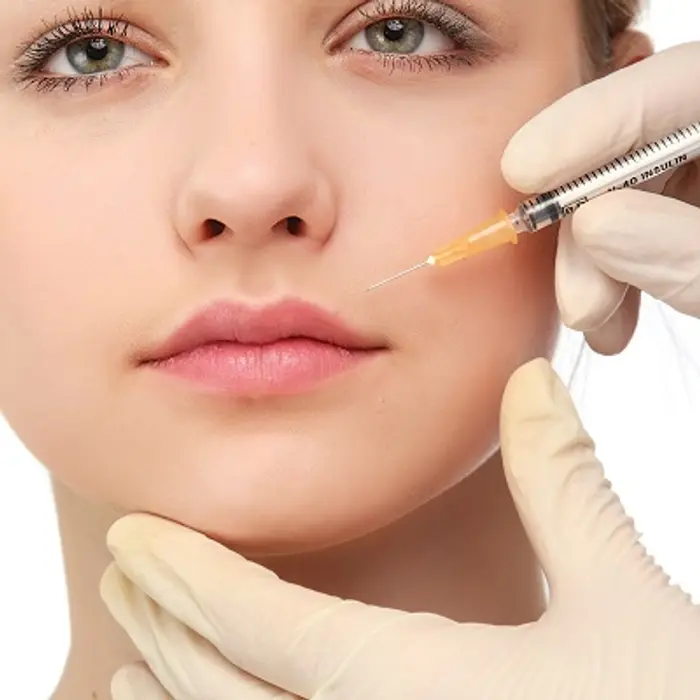
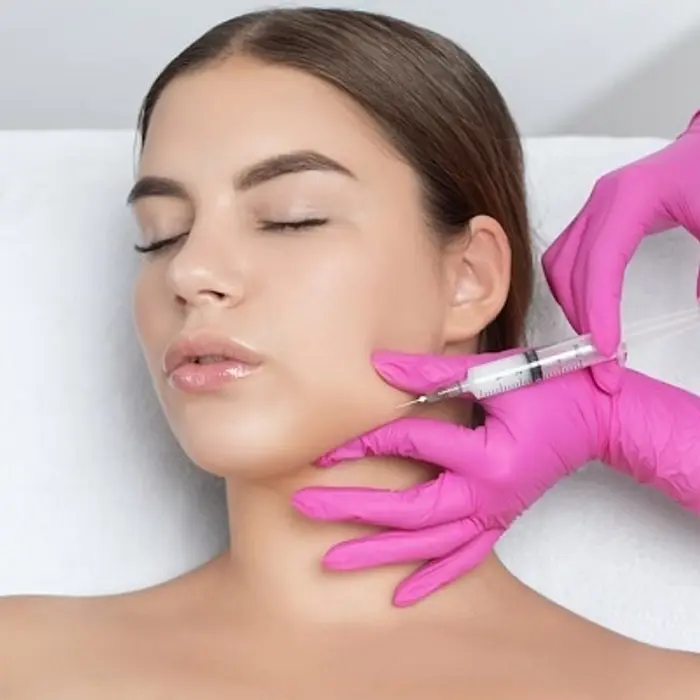
Dermal fillers injections are gel-like substances that are injected beneath the skin to improve facial appearance. Most fillers are made from hyaluronic acid, a naturally occurring substance in the body that helps maintain hydration and volume. Other types of fillers may contain calcium-based compounds or collagen-stimulating ingredients.
The main purpose of dermal fillers injections is to:
- Restore lost facial volume due to aging
- Smooth fine lines and deep wrinkles
- Enhance facial contours such as lips and cheeks
- Improve skin texture and overall facial balance
Unlike surgical procedures, dermal fillers are temporary and minimally invasive, which makes them appealing to individuals seeking quick cosmetic improvements without downtime.
How Dermal Fillers Work in the Body
Once injected, dermal fillers integrate into the skin’s underlying layers, adding structure and volume to targeted areas. Hyaluronic acid-based fillers attract water molecules, helping the skin appear plumper and more hydrated. Other fillers stimulate the body’s natural collagen production, gradually improving skin firmness over time.
The results are usually visible immediately after treatment, although mild swelling may initially mask the final outcome. Depending on the type of filler used, results can last anywhere from several months to over a year.
Despite their effectiveness, the way dermal fillers interact with the body also contributes to certain safety considerations, especially if they are not administered properly.
Common Safety Concerns with Dermal Fillers Injections
Although dermal fillers injections are widely performed, they are not completely risk-free. Understanding potential safety concerns helps individuals make informed decisions and avoid complications.
Some common concerns include:
1. Temporary Side Effects
Most people experience mild and short-term reactions after receiving dermal fillers injections. These may include:
- Redness at the injection site
- Swelling
- Bruising
- Mild tenderness
These effects typically resolve within a few days but can be uncomfortable during the initial healing period.
2. Allergic Reactions
While rare, some individuals may experience allergic reactions to filler ingredients. Symptoms may include itching, prolonged swelling, or skin irritation. This is more likely in individuals with sensitive skin or a history of allergies.
3. Lumps or Uneven Results
Improper injection technique or uneven product distribution can lead to visible lumps or asymmetry. In most cases, these issues can be corrected, but they highlight the importance of precise application.
4. Infection Risk
Since dermal fillers involve breaking the skin barrier, there is a small risk of infection if proper hygiene standards are not followed during or after the procedure.
5. Vascular Complications
One of the more serious but rare risks is accidental injection into a blood vessel. This can restrict blood flow and potentially cause tissue damage. Although uncommon, it is considered one of the most important safety concerns associated with dermal fillers injections.
Who Should Be Cautious Before Getting Dermal Fillers?
Not everyone is an ideal candidate for dermal fillers injections. Certain individuals should approach the procedure with caution or avoid it altogether.
People who may need extra evaluation include:
- Individuals with active skin infections or inflammation in the treatment area
- Those with a history of severe allergic reactions
- Pregnant or breastfeeding individuals
- People with autoimmune conditions or bleeding disorders
A careful medical assessment is essential to ensure that dermal fillers are appropriate for each individual’s health condition and cosmetic goals.
How to Improve the Safety of Dermal Fillers Injections
Safety largely depends on proper technique, product quality, and aftercare. While the procedure is non-surgical, it still requires professional knowledge of facial anatomy and injection methods.
Key ways to improve safety include:
- Using approved and high-quality filler products
- Ensuring proper sterilization during the procedure
- Applying accurate injection techniques based on facial structure
- Avoiding overfilling or excessive product use
- Following recommended aftercare instructions
Patients also play a role in safety by choosing realistic expectations and avoiding unnecessary or overly frequent treatments.
Aftercare and Recovery Tips for Safer Results
Proper aftercare is essential for reducing complications and achieving the best results from dermal fillers injections. The healing process is usually quick, but the skin still needs time to settle.
Common aftercare recommendations include:
- Avoiding heavy exercise for 24–48 hours
- Not touching or massaging the treated area unnecessarily
- Staying away from excessive heat like saunas or hot baths
- Keeping the head elevated if swelling occurs
- Avoiding alcohol immediately after treatment
Following these guidelines helps minimize swelling, reduce bruising, and support proper filler integration into the skin.
Long-Term Safety Considerations
Dermal fillers injections are temporary, but repeated treatments over time require thoughtful planning. Overuse or frequent adjustments can sometimes lead to unnatural results or changes in facial structure.
Long-term safety depends on:
- Proper spacing between treatments
- Using appropriate filler amounts
- Monitoring changes in facial balance over time
- Adjusting treatment plans as the face naturally ages
When done responsibly, dermal fillers can be part of a long-term aesthetic approach that maintains natural-looking results.
Conclusion
Dermal fillers injections are a widely used cosmetic solution for enhancing facial appearance without surgery. While generally safe, they still carry certain risks that should not be overlooked. Understanding potential side effects, proper techniques, and suitable candidacy is essential for achieving safe and satisfying outcomes.
By prioritizing safety, choosing appropriate treatment approaches, and following aftercare guidance, individuals can significantly reduce risks and enjoy natural-looking improvements.
FAQs
1. Are dermal fillers injections safe for everyone?
Dermal fillers injections are generally safe for most healthy adults, but they may not be suitable for individuals with certain medical conditions, allergies, or skin infections. A proper evaluation is necessary before treatment.
2. How long do side effects of dermal fillers last?
Most side effects such as swelling, redness, and bruising are temporary and usually resolve within a few days to one week after the procedure.
3. Can dermal fillers injections look unnatural?
Yes, if too much product is used or if the injection is not performed correctly, results may appear uneven or unnatural. Proper technique helps ensure a balanced and natural look.
4. What is the most serious risk of dermal fillers?
Although rare, one of the most serious risks is accidental injection into a blood vessel, which can affect blood flow and lead to complications if not treated promptly.
5. How can someone reduce risks before getting dermal fillers?
Choosing a qualified and experienced professional, using approved products, and following all pre- and post-treatment instructions significantly reduce risks.
6. Do dermal fillers require maintenance?
Yes, dermal fillers are temporary and gradually break down in the body. Maintenance treatments are typically needed to preserve results over time.
Read More About Dermal Fillers Injections: https://www.citymapia.com/muscat/enfield-royal-clinic-oman/blog/basic-overview-of-surgical-30100



;)