Enfield Royal Clinic Oman

 Home
Home  About Enfield Royal Clinic Oman
  Treatments
  Make An Enquiry





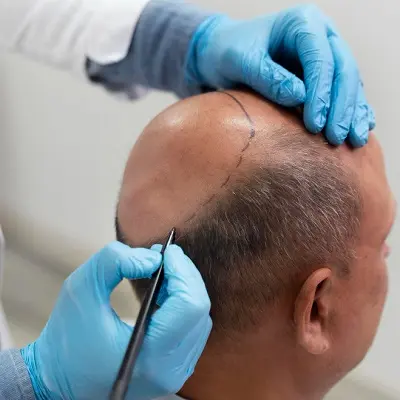
Hair Transplant in Muscat: Ultimate Travel Guide
Posted On Dec 24, 2025Learn how to prevent and treat hair transplant scars effectively. Discover modern techniques, aftercare tips, and solutions for natural-looking results for a Hair Transplant.
Hair loss is a common concern that affects millions of people worldwide, often impacting confidence and self-esteem. With advancements in medical technology, hair restoration procedures have become more accessible, effective, and natural-looking. For individuals, Hair Transplant in Muscat has emerged as a popular option for those seeking reliable, high-quality treatment close to home. This ultimate travel guide provides an in-depth overview of the process, what to expect, and frequently asked questions to help prospective patients plan their journey confidently.
Understanding Hair Transplant Procedures
A hair transplant is a surgical procedure that restores hair to areas experiencing thinning or baldness. The process involves taking hair follicles from a donor area, usually the back or sides of the scalp, and transplanting them into thinning or bald regions. Unlike temporary solutions such as wigs or topical treatments, a hair transplant offers permanent results because the transplanted hair continues to grow naturally.
Modern techniques have made the procedure minimally invasive, with high success rates and natural-looking outcomes. In Muscat, clinics offer these advanced treatments, making it a convenient destination for individuals seeking both quality care and a comfortable travel experience.
Popular Techniques for Hair Transplant in Muscat
There are two main techniques used in hair restoration:
1. Follicular Unit Transplantation (FUT)
FUT involves removing a strip of scalp from the donor area, which is then divided into individual follicular units for transplantation. While it can leave a linear scar, FUT is suitable for patients requiring a larger number of grafts in a single session.
2. Follicular Unit Extraction (FUE)
FUE is a minimally invasive technique where individual follicles are extracted directly from the donor area and implanted into the recipient area. This method leaves tiny, almost invisible scars and typically allows for a faster recovery.
Both techniques are performed under local anesthesia, and patients can usually return home the same day. Choosing the right method depends on factors such as hair loss pattern, donor hair availability, and personal preferences.
Planning Your Hair Transplant Journey in Muscat
For patients considering traveling to Muscat for a hair transplant, proper planning is essential to ensure a smooth experience. Key considerations include:
Travel and Accommodation: Muscat offers a range of comfortable hotels and convenient transportation options. Planning ahead ensures a stress-free visit.
Consultation: Scheduling a consultation before the procedure helps the medical team assess hair loss, discuss expectations, and determine the most suitable technique.
Recovery Time: Allowing time for rest after the procedure is crucial. Most patients can resume normal activities within a few days, but strenuous activities should be avoided for a few weeks.
Local Support: Familiarizing oneself with local healthcare facilities and pharmacies can provide peace of mind during recovery.
Recovery and Aftercare
Recovery after a hair transplant is straightforward but requires proper care to maximize results. General guidelines include:
First Few Days: Mild swelling, redness, and scabbing may occur. Pain is typically manageable with prescribed medications.
First Two Weeks: Scabs from the transplanted area will begin to fall off, and normal activities can often be resumed.
Three to Four Months: Transplanted hair may temporarily shed, which is a normal part of the growth cycle.
Six to Twelve Months: Noticeable hair growth occurs, resulting in a fuller and more natural hairline.
Patients should follow post-operative instructions carefully, including avoiding direct sun exposure, refraining from strenuous exercise, and using recommended hair care products.
Hair Transplant FAQs
1. Is the procedure painful?
Most patients experience minimal discomfort during the procedure thanks to local anesthesia. Some mild soreness may occur afterward, which can be managed with over-the-counter pain relief.
2. How long does it take to see results?
New hair growth usually begins three to four months after the transplant, with full results visible around 9 to 12 months post-procedure.
3. Are there side effects?
Common side effects include temporary swelling, redness, and small scabs. Serious complications are rare when performed by qualified professionals.
4. Can women undergo hair transplants?
Yes. Women experiencing thinning hair due to genetics, hormonal changes, or medical conditions can benefit from hair transplant procedures, with techniques tailored to their hair patterns.
5. How long does a hair transplant last?
Hair transplants are considered permanent, as transplanted follicles are typically resistant to the hormone responsible for hair loss. Proper hair care can ensure long-lasting results.
6. Will my hair look natural?
When performed using modern techniques, transplanted hair blends seamlessly with existing hair, creating a natural appearance. Scarring is minimal, especially with FUE.
Choosing the Right Hair Transplant Experience
Selecting the right clinic and planning your journey thoughtfully can make a significant difference in the overall experience. Key tips include:
Researching available techniques and understanding which method aligns with your needs
Ensuring the clinic follows strict hygiene and safety protocols
Having realistic expectations regarding density, hairline design, and recovery time
Scheduling a pre-procedure consultation to discuss goals and medical history
Muscat has become an attractive destination for hair transplant procedures due to the availability of modern facilities, experienced staff, and a welcoming environment for travelers.
Conclusion
A hair transplant in Muscat offers a practical and effective solution for individuals struggling with hair loss. Combining advanced techniques with a supportive travel experience, patients can achieve natural-looking, permanent results while enjoying the comfort of a well-planned journey.
By understanding the procedure, preparing for recovery, and asking the right questions, prospective patients can make informed decisions that align with their goals and expectations. Whether seeking to restore confidence, improve appearance, or address thinning hair, hair transplant in Muscat provides a reliable, convenient, and transformative solution.


;)