Enfield Royal Clinic Oman

 Home
Home  About Enfield Royal Clinic Oman
  Treatments
  Make An Enquiry





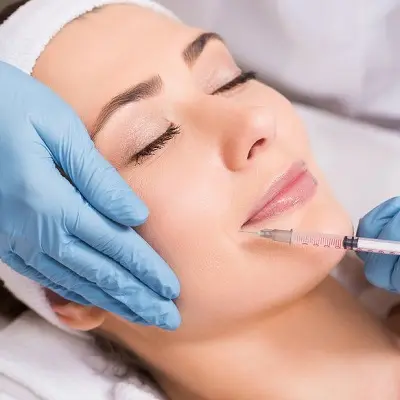
How Glutathione Injections Are Made: A Behind-the-Scenes Look
Posted On Mar 16, 2026Boost your health and skin radiance with Glutathione injections. Discover their antioxidant benefits, detox support, and potential for a brighter, healthier you.
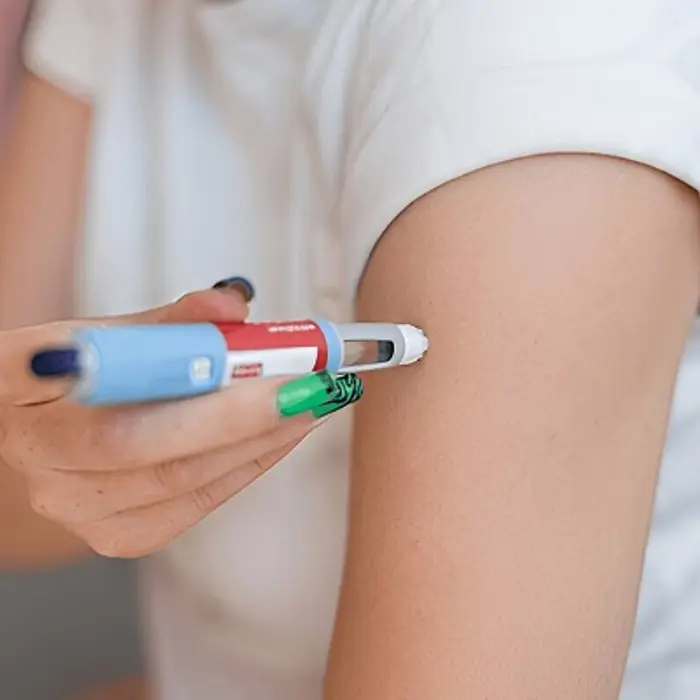
Glutathione injections have gained popularity in recent years for their purported benefits in skin brightening, antioxidant support, and overall wellness. Many people are curious about what goes into making these injections and how they are formulated to ensure safety and effectiveness. This article takes a behind-the-scenes look at the process of creating a Glutathione Injection, while offering helpful insights for those considering this treatment.
What is Glutathione?
Glutathione is a naturally occurring antioxidant produced by the body. It plays a critical role in neutralizing free radicals, supporting liver detoxification, and maintaining cellular health. Because of its ability to reduce oxidative stress, glutathione has become a key ingredient in both oral supplements and injectable forms.
Injectable glutathione is often preferred by individuals seeking faster absorption and more immediate effects, as it bypasses the digestive system. Understanding the formulation process can help users feel more confident about its safety and quality.
The Raw Materials: Building Blocks of Glutathione Injections
Every high-quality glutathione injection starts with pharmaceutical-grade ingredients. These include:
Glutathione compound – Typically in the form of L-glutathione, which is stable and biologically active.
Sterile water or saline solution – Serves as the solvent for dissolving the compound.
Stabilizers and antioxidants – Added to preserve the potency of glutathione during storage and use.
pH adjusters – Ensure the injection is compatible with the body’s natural pH, minimizing irritation during administration.
The sourcing of these raw materials is critical. Pharmaceutical-grade components undergo rigorous testing for purity, potency, and safety before being used in the manufacturing process.
Laboratory Formulation and Compounding
Once the raw materials are verified, the formulation process begins in a controlled laboratory environment. Key steps include:
Measurement and weighing – Precise amounts of glutathione and other ingredients are carefully measured to ensure the correct dosage.
Dissolution – The glutathione compound is dissolved in a sterile solution under controlled conditions to create a uniform mixture.
pH adjustment – The solution is tested and adjusted to match physiological pH levels.
Filtration – The solution is filtered through sterile membranes to remove any particulate matter, ensuring it is safe for injection.
This process must be conducted under strict aseptic conditions to prevent contamination. Laboratories often operate under Good Manufacturing Practices (GMP) standards to maintain the highest safety and quality standards.
Sterilization and Packaging
Sterilization is a critical step in the production of glutathione injections. Common methods include:
Autoclaving – Using pressurized steam to kill any bacteria or microorganisms.
Sterile filtration – Further ensures that the solution is free from contaminants.
After sterilization, the injection is carefully filled into sterile vials or ampoules. Packaging is designed to maintain the integrity of the injection during storage and transport, protecting it from light, air, and moisture that could degrade the glutathione.
Quality Control: Ensuring Safety and Effectiveness
Quality control testing is essential before any glutathione injection reaches the market. Tests typically include:
Potency testing – Confirms that each vial contains the correct concentration of glutathione.
Sterility testing – Ensures the solution is free from bacteria, fungi, and other contaminants.
pH and stability tests – Verify that the injection will remain safe and effective for its intended shelf life.
These tests are critical in ensuring that the final product is both safe for use and provides the intended benefits.
Storage and Handling
Proper storage is essential to maintain the effectiveness of glutathione injections. Most formulations require:
Refrigeration – Typically between 2°C and 8°C to prevent degradation.
Protection from light – Some compounds are sensitive to light and must be stored in amber vials.
Limited handling – Only trained personnel should handle the injections to prevent contamination.
Patients or clinics administering the injections should follow strict storage guidelines to ensure the product remains potent and safe.
Benefits of Injectable Glutathione
Glutathione injections are used for a variety of purposes, including:
Antioxidant support – Neutralizes free radicals and reduces oxidative stress.
Skin brightening – May reduce melanin production and improve skin tone.
Detoxification – Supports liver function and helps eliminate toxins.
Immune support – Enhances cellular defenses against infections and inflammation.
While results can vary depending on the individual and dosage, injectable glutathione provides faster absorption compared to oral supplements, making it a preferred option for many users.
FAQs About Glutathione Injections
1. Are glutathione injections safe?
When prepared and administered correctly under sterile conditions, glutathione injections are generally considered safe. Following proper dosage and medical guidance is essential.
2. How quickly do effects appear?
Some users notice skin brightening or antioxidant benefits within a few weeks, though results vary depending on individual metabolism and health.
3. Can glutathione injections cause side effects?
Mild side effects may include temporary redness, swelling, or discomfort at the injection site. Serious complications are rare when administered by trained professionals.
4. How often should injections be administered?
Frequency varies based on the treatment goal and individual response, typically ranging from weekly to monthly sessions.
5. Can I take glutathione orally instead of injections?
Oral glutathione supplements exist, but absorption is lower compared to injections. Injectable forms offer faster and more direct delivery to the bloodstream.
6. How should glutathione injections be stored at home or in clinics?
They should be refrigerated between 2°C and 8°C, protected from light, and handled only by trained personnel to maintain potency.
Conclusion
Understanding how Glutathione Injection is made provides valuable insight into the care, precision, and quality control involved in producing a safe and effective product. From sourcing pharmaceutical-grade ingredients to strict laboratory formulation, sterilization, and packaging, every step ensures that patients receive a reliable injection. Whether for antioxidant support, skin brightening, or detoxification, injectable glutathione offers fast absorption and a range of potential benefits when administered responsibly.
Read More About Glutathione Injections: https://www.citymapia.com/muscat/enfield-royal-clinic-oman/blog/glutathione-injections-in-22338


;)