Enfield Royal Clinic Oman

 Home
Home  About Enfield Royal Clinic Oman
  Treatments
  Make An Enquiry





How Long Is Recovery After Facelift Surgery?
Posted On Mar 6, 2026Discover how facelift surgery can rejuvenate your appearance by tightening sagging skin, reducing wrinkles, and restoring a youthful contour. Learn about procedures, recovery, and results.
Facelift surgery is one of the most popular cosmetic procedures for those looking to restore a youthful appearance. While the results can be transformative, one of the most common questions patients have is: how long is recovery after facelift surgery? Understanding the recovery process is crucial for anyone considering this procedure, as it helps set realistic expectations and ensures optimal results. This guide explores the recovery timeline, what to expect at each stage, and tips for a smooth healing process, specifically for those seeking the Best Facelift Surgery in Muscat.
Understanding Facelift Surgery
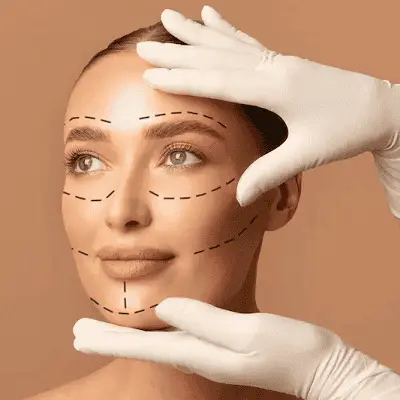
A facelift, medically known as rhytidectomy, is a surgical procedure that addresses sagging skin, deep wrinkles, and jowls. It works by tightening the underlying facial muscles and removing excess skin to create a smoother, more youthful contour. While non-surgical treatments like fillers and lasers offer temporary improvements, a facelift provides long-lasting results.
Recovery time varies based on the extent of the procedure, the patient’s age, and overall health. Patients seeking the best facelift surgery in Muscat often choose this procedure for its effectiveness in reversing visible signs of aging while maintaining a natural appearance.
Initial Recovery Phase: First Week
The first week after surgery is often the most intensive. Patients typically experience swelling, bruising, and mild discomfort. These symptoms are normal and part of the body’s natural healing process.
Swelling and Bruising: Swelling usually peaks around 48–72 hours post-surgery and gradually subsides over the first week. Bruising can appear around the cheeks and jawline but typically starts to fade after a week.
Pain Management: Mild pain or tightness is common. Over-the-counter or prescribed pain medications can help manage discomfort.
Wound Care: Stitches or surgical drains may be present. Proper care and hygiene are essential to prevent infection. Patients are advised to keep their head elevated while resting to reduce swelling.
During this period, most patients are advised to avoid strenuous activity and get plenty of rest. Light walking around the house is encouraged to improve circulation, but heavy lifting or exercise should be postponed.
Second Week: Swelling Reduces
By the second week, swelling and bruising start to decrease noticeably. Many patients begin to feel more comfortable moving around and performing daily tasks.
Visible Changes: Facial contours begin to take shape, though some puffiness may persist.
Skin Sensitivity: The skin may feel tight or numb, which is a normal part of nerve recovery after surgery.
Resuming Activities: Some patients may start returning to work if their job does not involve heavy physical activity. It’s still recommended to avoid vigorous exercise or sun exposure.
At this stage, patients seeking the best facelift surgery in Muscat are often advised to follow up with their surgeon to ensure proper healing and address any concerns.
Weeks Three to Four: Gradual Return to Normal
By the third and fourth weeks, most swelling and bruising have significantly reduced. Patients often notice a dramatic improvement in facial appearance.
Scars and Incisions: While scars are still healing, they begin to fade. Using recommended scar treatments or creams can support smoother results.
Physical Activity: Light exercise, such as walking or yoga, may be resumed, but high-impact activities should still be avoided.
Social Engagements: Many patients feel confident enough to return to social activities, though minor swelling may still be present.
This phase is critical for following post-operative care instructions, such as avoiding excessive sun exposure and maintaining a healthy diet to support healing.
One to Three Months: Settling of Results
The most noticeable results of a facelift start to appear between one to three months post-surgery. By this time, the majority of swelling has resolved, and the skin and underlying tissues have begun to settle into their new position.
Natural Appearance: Facial contours look more defined, and the overall appearance is rejuvenated.
Residual Swelling: Some minor swelling may persist, particularly around the jawline and under the eyes.
Scarring: Scars continue to fade and soften. With proper care, they become barely noticeable.
Patients who choose the best facelift surgery in Muscat often report high satisfaction during this period as the results look natural and harmonious with their facial features.
Long-Term Recovery: Six Months and Beyond
While most recovery milestones occur within the first three months, full recovery can take up to six months or longer. During this time, the final results become fully apparent.
Final Contours: The facial structure stabilizes, revealing smooth, youthful lines.
Scars: Scars continue to fade and may become nearly invisible depending on individual skin type and care.
Maintenance: Healthy lifestyle habits, including sun protection, balanced nutrition, and proper skincare, help maintain the facelift results for years.
Long-term satisfaction with facelift surgery is highest when patients follow post-operative care instructions carefully and maintain realistic expectations.
Tips for a Smooth Facelift Recovery
Follow Medical Advice: Adhering to post-operative instructions, including wound care, medications, and follow-up appointments, is essential.
Stay Hydrated and Eat Well: Proper nutrition and hydration support faster healing and reduce swelling.
Avoid Smoking and Alcohol: Both can impair healing and increase the risk of complications.
Protect Your Skin: Limit sun exposure and use recommended sunscreen to prevent pigmentation changes and protect healing scars.
Be Patient: Recovery is gradual, and results improve over several months. Avoid rushing or comparing progress to others.
Frequently Asked Questions
1. How long does it take to look normal after a facelift?
Most patients start looking normal within two to three weeks, although subtle swelling and tightness may persist for a few months.
2. When can I return to work after a facelift?
Light work may be possible after one to two weeks, but physically demanding jobs should be delayed for at least three to four weeks.
3. Will the scars be visible?
Scars are usually well-hidden along natural creases and hairlines. They fade significantly over six months to a year with proper care.
4. Is facelift surgery painful?
Mild discomfort is common during the first week, but it is manageable with prescribed medications. Most patients describe it as tightness rather than sharp pain.
5. How long do facelift results last?
Results can last 8–10 years or more, depending on lifestyle, skin quality, and aging factors. Some patients may combine facelifts with non-surgical treatments for prolonged effects.
6. Can I undergo facelift surgery at any age?
Facelifts are typically recommended for individuals in their 40s to 70s who have visible signs of aging but are in good overall health. Individual suitability is assessed during consultation.
7. How do I choose the best facelift surgery in Muscat?
Look for experienced, board-certified surgeons who prioritize natural results, patient safety, and personalized treatment plans. Reading reviews and understanding the recovery process can also help guide your decision.
Conclusion
Facelift surgery offers a lasting solution for facial rejuvenation, but understanding the recovery timeline is key to achieving the best results. From the first week of swelling and bruising to the six-month mark when final results appear, patients should prioritize rest, proper care, and patience. Those seeking the best facelift surgery in Muscat can enjoy a safe and effective journey toward a refreshed, youthful appearance by following these guidelines.
By being informed and prepared, patients can ensure a smooth recovery, minimal complications, and long-lasting, natural-looking results.
;)