Enfield Royal Clinic Oman

 Home
Home  About Enfield Royal Clinic Oman
  Treatments
  Make An Enquiry





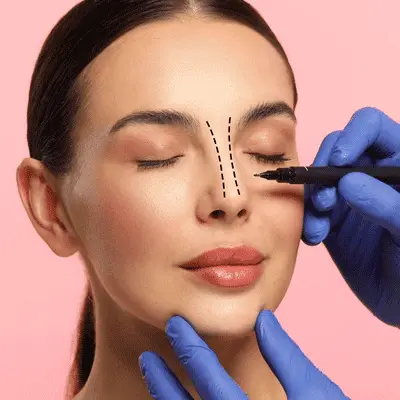
How Rhinoplasty Can Improve Facial Symmetry Instantly
Posted On Dec 23, 2025Discover expert rhinoplasty procedures to enhance facial harmony and boost confidence. Learn about types, recovery, and what to expect from your nose surgery.
Facial symmetry plays a crucial role in perceived beauty and self-confidence. When the nose is out of balance with other facial features, it can disrupt overall harmony. Rhinoplasty, commonly known as a nose job, is a surgical procedure designed to reshape and enhance the nose, instantly improving facial symmetry. For individuals in Oman considering this procedure, understanding the process, benefits, and factors influencing Rhinoplasty Cost in Oman is essential for making an informed decision.
Understanding Rhinoplasty and Facial Symmetry
Rhinoplasty is more than a cosmetic procedure; it is a transformative treatment that balances facial features. The nose sits at the center of the face, making its shape, size, and alignment critical to overall aesthetics. A slight imbalance, such as a crooked bridge, bulbous tip, or asymmetrical nostrils, can affect facial symmetry and, consequently, self-esteem.
Through precise adjustments, rhinoplasty can correct these imperfections, creating a harmonious balance between the nose, eyes, lips, and other facial features. While results are immediate in terms of structure, complete healing and final appearance may take several months as swelling subsides.
How Rhinoplasty Enhances Facial Symmetry
Correcting Nasal Deviations
One of the most common ways rhinoplasty improves facial symmetry is by correcting nasal deviations. A crooked or off-center nose can draw attention away from other features. Surgical techniques realign the nasal structure to ensure the nose sits centrally, providing a balanced appearance that complements the rest of the face.
Refining the Nasal Tip
The nasal tip plays a significant role in facial proportions. A drooping, bulbous, or asymmetrical tip can disrupt the harmony of the face. Rhinoplasty allows precise reshaping of the tip, creating a refined and proportionate look that aligns with other facial features.
Adjusting the Nasal Bridge
A prominent hump or uneven nasal bridge can make the face appear disproportionate. Rhinoplasty can smooth or reduce the bridge, enhancing symmetry and giving the nose a natural, elegant contour.
Balancing Nostrils
Asymmetrical nostrils can be subtle yet impactful. Rhinoplasty can adjust the size and shape of the nostrils to achieve balance, ensuring that the nose complements rather than detracts from overall facial symmetry.
Non-Cosmetic Benefits of Rhinoplasty
While the aesthetic advantages are evident, rhinoplasty also offers functional benefits that contribute to overall well-being. Many individuals with structural nasal issues experience breathing difficulties, snoring, or sleep apnea. By correcting internal structures such as a deviated septum, rhinoplasty can improve airflow and breathing, enhancing quality of life alongside aesthetic improvements.
Understanding Rhinoplasty Cost in Oman
For individuals considering rhinoplasty in Oman, cost is a key factor. The rhinoplasty cost in Oman varies depending on several considerations, including the complexity of the procedure, the surgeon’s experience, and the facility used. While cosmetic enhancements are highly personalized, surgical procedures involving functional corrections may also affect pricing.
Additional factors that influence cost include anesthesia fees, preoperative consultations, post-operative care, and follow-up appointments. Prospective patients should also consider potential additional expenses for medications, splints, or dressings required during recovery.
Factors Influencing Rhinoplasty Results
Personalized Consultation
Every face is unique, and so is every rhinoplasty procedure. A detailed consultation helps determine the optimal surgical approach, taking into account facial structure, skin type, and individual goals. This tailored approach ensures results that are natural, balanced, and aligned with expectations.
Surgical Technique
Different surgical techniques can be employed depending on the desired outcome. Open rhinoplasty allows greater visibility for intricate reshaping, while closed rhinoplasty minimizes external incisions. The choice of technique can influence both results and recovery time.
Post-Surgical Care
Proper post-surgical care is crucial to achieving optimal outcomes. Following guidelines for swelling reduction, avoiding strenuous activities, and attending follow-up appointments ensures the nose heals correctly and maintains symmetry over time.
Recovery and Expected Results
Recovery from rhinoplasty involves a combination of patience and proper care. Most patients experience swelling and mild bruising for the first two weeks. While initial improvements are noticeable immediately after surgery, subtle changes continue as the nose heals over several months. Final results, including perfect symmetry and refined contours, are typically visible within 6 to 12 months.
Making the Decision: Is Rhinoplasty Right for You?
Choosing rhinoplasty requires careful consideration of both aesthetic and functional goals. Ideal candidates are those who:
Desire improvement in facial symmetry
Have realistic expectations about results
Are in good overall health
Seek correction of structural or breathing issues
Non-surgical alternatives, such as dermal fillers, can provide temporary enhancements for minor asymmetries, but they cannot achieve the permanent structural improvements that surgical rhinoplasty offers.
Frequently Asked Questions (FAQs)
1. How long does it take to see the final results of rhinoplasty?
Initial changes are visible immediately, but swelling may take several months to fully subside. Final results typically appear within 6 to 12 months.
2. Can rhinoplasty improve breathing issues?
Yes, rhinoplasty can correct structural problems such as a deviated septum, improving airflow and overall breathing.
3. Is rhinoplasty painful?
The procedure is performed under anesthesia, so pain is minimal during surgery. Postoperative discomfort can be managed with prescribed medications.
4. How long is the recovery period?
Most patients return to daily activities within 1–2 weeks, but full healing and optimal results take several months.
5. Can non-surgical alternatives replace rhinoplasty?
Non-surgical options are suitable for minor adjustments, but they cannot reduce nasal size or correct structural issues.
6. What factors affect rhinoplasty cost in Oman?
Cost is influenced by procedure complexity, surgeon experience, anesthesia, facility fees, and post-operative care requirements.
7. Are there age restrictions for rhinoplasty?
Candidates should have fully developed facial structures, usually 16 years or older for females and 18 years or older for males.
Conclusion
Rhinoplasty is a powerful tool for enhancing facial symmetry, providing both aesthetic and functional benefits. From refining the nasal tip to correcting deviations and balancing nostrils, the procedure can transform the overall harmony of the face. For individuals in Oman, understanding the rhinoplasty cost in Oman alongside factors influencing outcomes is essential for making an informed decision. With proper consultation, realistic expectations, and diligent post-surgical care, rhinoplasty can deliver lasting improvements that boost confidence and facial balance instantly.


;)