Enfield Royal Clinic Oman

 Home
Home  About Enfield Royal Clinic Oman
  Treatments
  Make An Enquiry






How to Tell if You’re a Good Candidate for Cheek Augmentation
Posted On Feb 19, 2026Enhance your facial contours with cheek augmentation. Discover techniques, benefits, and recovery tips for a natural, youthful look.
Cheek augmentation has become an increasingly popular cosmetic procedure for individuals looking to enhance facial contours, restore youthful volume, or achieve better facial symmetry. For those consideringCheek Augmentation in Oman, understanding candidacy criteria is essential for achieving safe and satisfying results. Not everyone is an ideal candidate, and careful consideration of health, facial anatomy, and aesthetic goals plays a key role in determining suitability.
This article explores the factors that determine whether someone is a good candidate for cheek augmentation, the different types of procedures available, and tips for preparing for surgery.
Understanding Cheek Augmentation
Cheek augmentation is a cosmetic procedure aimed at enhancing the appearance of the cheeks. It can be achieved using surgical implants, such as silicone, Medpor, or Gore-Tex, or non-surgical options like dermal fillers or fat grafting. The procedure can:
Restore lost facial volume due to aging
Improve facial symmetry
Highlight cheekbone contours for a more youthful and defined look
Knowing what cheek augmentation involves helps prospective patients assess whether the procedure aligns with their goals.
Factors That Determine Candidacy
Several factors influence whether someone is a good candidate for cheek augmentation.
1. Age and Facial Development
Ideal candidates are typically adults whose facial bones have fully matured. While there is no strict upper age limit, candidates in younger adulthood tend to heal more quickly, whereas older adults may need additional considerations due to skin elasticity and overall health.
2. Overall Health
Good general health is crucial for a smooth procedure and recovery. Candidates should:
Be free from uncontrolled chronic conditions, such as diabetes or cardiovascular issues
Avoid active infections or skin conditions around the surgical area
Not smoke or be willing to stop smoking before and after surgery, as nicotine can impede healing
A healthy lifestyle improves both surgical outcomes and recovery.
3. Facial Structure and Skin Quality
Cheek augmentation works best for individuals with sufficient bone structure and skin quality that can support implants or fillers. Key considerations include:
Adequate cheekbone prominence for implant placement
Elastic skin that can accommodate volume changes without sagging
Symmetry of the face, as augmentation can enhance or highlight existing asymmetries
During consultation, a facial analysis helps determine the appropriate procedure and implant type.
4. Realistic Expectations
Good candidates understand what cheek augmentation can and cannot achieve. While the procedure enhances facial contours, it does not drastically change other facial features or address unrelated cosmetic concerns. Patients with realistic expectations are more likely to be satisfied with their results.
5. Motivation and Commitment
Candidates should have a clear, personal motivation for seeking augmentation, rather than external pressure or temporary trends. Additionally, following post-operative instructions and attending follow-up appointments is crucial for a successful outcome.
Types of Cheek Augmentation Procedures
Understanding the available options helps candidates make informed decisions:
Surgical Implants
Surgical cheek implants provide permanent volume enhancement. Common materials include:
Silicone: Flexible and easily shaped
Medpor (Porous Polyethylene): Allows tissue integration for stability
Gore-Tex: Soft and pliable, mimicking natural tissue
Non-Surgical Options
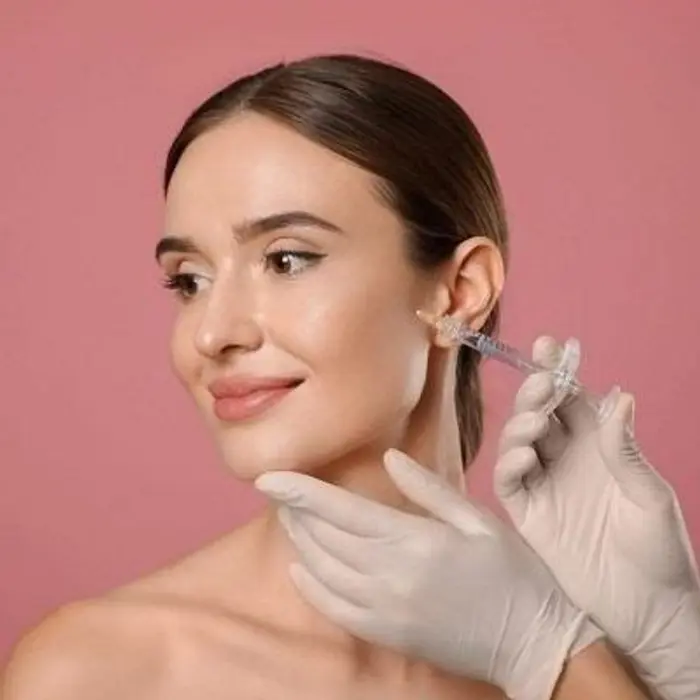
Non-surgical approaches use dermal fillers or fat grafting to enhance cheek volume. These options are ideal for those seeking temporary or subtle results, but they require maintenance over time.
Preparing for Cheek Augmentation
Preparation is essential to ensure a smooth procedure and recovery. Candidates should:
Schedule a thorough consultation to discuss goals, medical history, and procedure options
Avoid blood-thinning medications or supplements that may increase bleeding risk
Arrange for post-procedure care, including transportation and rest
Clear communication with the surgical team ensures expectations align with achievable results.
Signs You Might Be a Good Candidate
Based on the factors outlined, individuals may be good candidates if they:
Desire enhanced cheekbone definition or facial volume
Are in good overall health with no contraindications
Have realistic expectations and understand the procedure’s limitations
Are committed to following pre- and post-operative instructions
Have sufficient facial structure and skin quality to support augmentation
Conversely, individuals with certain medical conditions, unrealistic expectations, or insufficient facial bone support may need alternative options or additional consultation before proceeding.
Benefits of Being a Suitable Candidate
Being a good candidate maximizes the benefits of cheek augmentation, including:
Enhanced facial symmetry and contour
Improved mid-face volume and youthful appearance
Long-lasting or permanent results depending on the chosen method
Reduced risk of complications and smoother recovery
Candidates who carefully assess their suitability tend to have higher satisfaction and a more predictable outcome.
Conclusion
Knowing whether you are a good candidate for cheek augmentation in Oman is a vital first step toward achieving successful results. Ideal candidates are healthy adults with sufficient facial structure, realistic expectations, and a clear understanding of the procedure. By carefully considering health, lifestyle, and aesthetic goals, prospective patients can make informed decisions and enjoy the transformative benefits of cheek augmentation safely.
A thorough consultation and honest self-assessment ensure that the procedure enhances facial harmony, restores youthful volume, and boosts confidence.
Frequently Asked Questions (FAQs)
1. At what age is cheek augmentation recommended?
Candidates should be adults whose facial bones have fully developed. There is no strict upper age limit, but skin elasticity and overall health are important considerations.
2. Can anyone get cheek implants?
Not everyone is suitable. Candidates should have adequate bone structure, good overall health, and realistic expectations for the procedure.
3. How do I know if non-surgical augmentation is better for me?
Non-surgical options like fillers or fat grafting are ideal for those seeking subtle, temporary results or who may not be candidates for surgery.
4. Will my results look natural?
When placed correctly, cheek augmentation can provide natural-looking enhancement that complements the face. The choice of implant type or filler material affects the final result.
5. Are there risks if I’m not a good candidate?
Yes, proceeding without meeting candidacy criteria can increase the risk of complications, unsatisfactory results, or prolonged recovery.
6. How long is recovery after cheek augmentation?
Recovery varies based on the procedure, but most patients see significant improvement within 2-6 weeks, with final results appearing in 2-3 months.
7. Can cheek augmentation be combined with other procedures?
Yes, it can be combined with procedures like rhinoplasty or facelift for a comprehensive facial rejuvenation plan.







;)