Enfield Royal Clinic Oman

 Home
Home  About Enfield Royal Clinic Oman
  Treatments
  Make An Enquiry






How to Track Progress With Ozempic Injection
Posted On Jan 6, 2026Ozempic injection is a prescription medicine used to improve blood sugar control in adults with type 2 diabetes. Learn uses, dosage, and side effects.
Managing type 2 diabetes and supporting weight loss can be challenging, but medications like Ozempic have become valuable tools for many individuals. Ozempic is an injectable medication that helps regulate blood sugar levels, reduce appetite, and promote gradual weight loss. For residents seeking the Best Ozempic Injection in Muscat tracking progress is crucial to ensure the medication is effective and that health goals are being met. Understanding how to monitor results can help patients stay motivated and make informed decisions about their treatment plan.
What is Ozempic Injection?
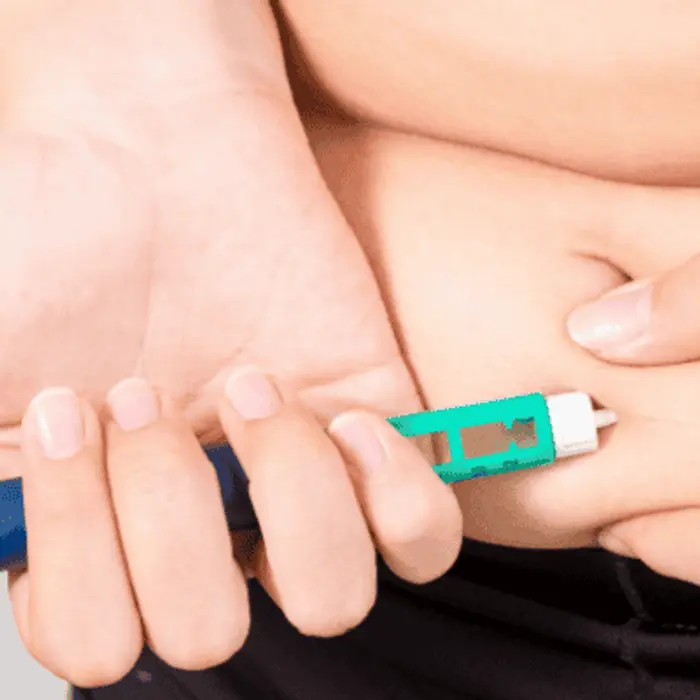
Ozempic is a glucagon-like peptide-1 (GLP-1) receptor agonist that works by mimicking natural hormones in the body. These hormones help regulate blood sugar, slow down digestion, and reduce appetite. Administered as a once-weekly subcutaneous injection, Ozempic is often recommended alongside a healthy diet and regular physical activity.
By improving glucose control and reducing calorie intake, Ozempic helps patients achieve sustainable weight management, which can positively impact overall health and quality of life.
Why Tracking Progress Matters
Tracking progress with Ozempic is more than just recording numbers on a scale. It allows patients to:
Measure Effectiveness: Determine whether the medication is helping control blood sugar and support weight management.
Adjust Lifestyle Habits: Identify areas where diet or exercise may need improvement.
Boost Motivation: Seeing tangible results can encourage adherence to treatment and healthy habits.
Prevent Complications: Monitoring blood sugar and other health markers reduces the risk of long-term complications from diabetes.
Regular tracking empowers patients to take an active role in their treatment journey and helps healthcare providers make informed adjustments.
Key Metrics to Track While Using Ozempic
1. Blood Sugar Levels
Consistent monitoring of fasting and post-meal glucose levels is essential for understanding how Ozempic affects blood sugar control. Patients may use home glucose monitors or continuous glucose monitoring systems to track patterns and trends over time.
2. Weight Changes
Ozempic often leads to gradual weight loss, especially when combined with a healthy lifestyle. Tracking weight weekly, rather than daily, can provide a more accurate view of progress and reduce the stress of minor fluctuations.
3. Body Measurements
Measuring waist, hip, and thigh circumferences can offer insight into body composition changes. Even if the scale shows small changes, reductions in inches can indicate fat loss and improvements in overall health.
4. Appetite and Cravings
Many patients notice decreased hunger and reduced cravings, particularly for high-sugar foods. Tracking appetite and cravings can help evaluate how effectively Ozempic supports behavioral changes and dietary control.
5. Energy Levels and Mood
Changes in energy, focus, and mood are often linked to better blood sugar management and weight loss. Recording how one feels throughout the day can provide valuable insight into the indirect benefits of Ozempic.
Methods for Tracking Progress Effectively
Digital Tools and Apps
Several health and fitness apps allow patients to log blood sugar readings, weight, food intake, and exercise routines. These apps often provide charts and trends, making it easier to visualize progress and identify patterns.
Journaling
Keeping a written journal of meals, exercise, and mood can help patients notice correlations between lifestyle choices and results. Journals also serve as a helpful resource during consultations with healthcare providers.
Photographic Progress
Taking weekly or monthly photos can be a simple yet powerful way to track physical changes. Seeing visible differences in body shape or posture can boost motivation, even when numbers on the scale fluctuate.
Regular Check-ins
Scheduling periodic check-ins with a healthcare provider ensures that tracking efforts align with medical guidance. Healthcare providers may recommend lab tests or adjustments to optimize treatment effectiveness.
Tips to Maximize Progress With Ozempic
While Ozempic supports weight management and glucose control, combining the injection with lifestyle strategies leads to the best results:
Maintain a Balanced Diet: Focus on nutrient-dense foods, portion control, and reduced sugar intake to support blood sugar management.
Exercise Regularly: Incorporating both aerobic and resistance exercises enhances weight loss, insulin sensitivity, and overall health.
Stay Hydrated: Proper hydration supports metabolic processes and helps reduce hunger cues.
Be Consistent: Taking the injection as prescribed and tracking progress consistently helps maintain accurate results.
Monitor Side Effects: Nausea or digestive changes can occur initially. Recording these effects allows adjustments without disrupting progress.
Common Challenges and How to Overcome Them
Tracking progress can be challenging for some patients due to plateaus, minor fluctuations, or inconsistent logging. To overcome these challenges:
Focus on trends rather than daily changes.
Combine multiple tracking methods (e.g., weight, measurements, photos) for a more complete picture.
Celebrate small victories to maintain motivation.
Seek support from peers or health communities for accountability and encouragement.
Frequently Asked Questions (FAQs)
1. How often should progress be tracked while using Ozempic?
Patients should check blood sugar daily or as recommended, while weight and measurements can be tracked weekly. Mood and appetite logs can be updated daily or weekly.
2. Can tracking progress help improve results with Ozempic?
Yes, monitoring progress helps identify patterns, optimize lifestyle habits, and ensure the medication is working effectively.
3. Will I see immediate changes after starting Ozempic?
Ozempic typically results in gradual changes over several weeks. Blood sugar improvements may be noticeable sooner than weight loss.
4. Are there specific apps recommended for tracking Ozempic progress?
Any app that tracks blood glucose, diet, and physical activity can be helpful. Many apps allow trend visualization and reporting for healthcare provider consultations.
5. Is it normal to experience plateaus in weight loss with Ozempic?
Yes, weight loss may slow or plateau as the body adjusts. Continuing to track progress and adhering to lifestyle strategies can help overcome plateaus.
6. Can tracking mental and emotional changes be as important as physical metrics?
Absolutely. Mood, energy, and motivation levels are important indicators of overall health improvements and treatment effectiveness.
Conclusion
Tracking progress is a crucial part of any treatment plan involving Ozempic injection in Muscat. By monitoring blood sugar, weight, body measurements, appetite, and mood, patients can gain a comprehensive understanding of how the medication impacts their health. Combining effective tracking with balanced nutrition, regular exercise, and consistent follow-up with healthcare providers ensures that patients achieve optimal results.
With careful monitoring and commitment, Ozempic can be a powerful tool in managing type 2 diabetes, supporting weight loss, and improving overall quality of life. For individuals seeking the best outcomes, tracking progress is not just about numbers—it is a pathway to long-term health and wellness.







;)