Muscat, Muscat Governorate

map icon mao preview icon

mail icon [email protected]

website icon https://www.enfieldroyalclinics.om Go to Website

muscat

Copyright © 2026 Citymapia.com. All Rights Reserved

Science Behind Liposuction and Fat Suction Process
Science Behind Liposuction and Fat Suction Process

Posted On Jun 16, 2026

Liposuction is a cosmetic procedure that removes stubborn fat deposits from targeted areas, helping contour the body and improve overall appearance today.
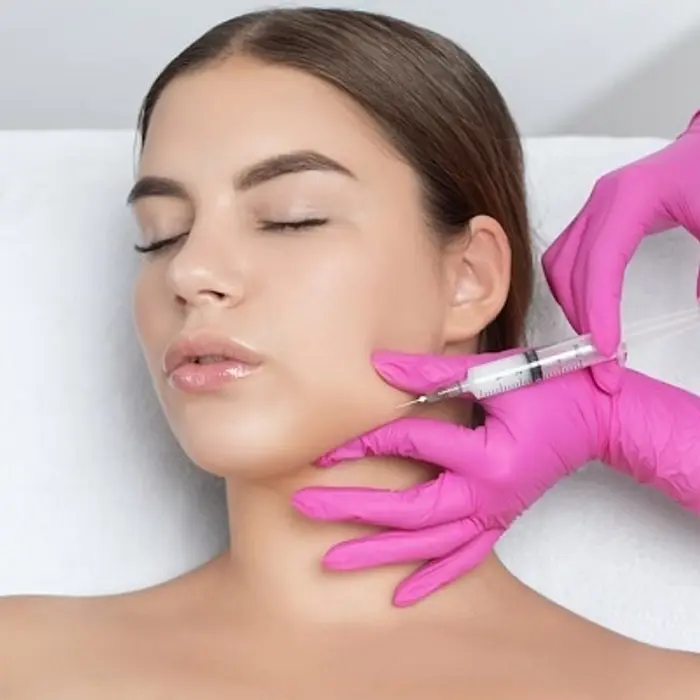
Liposuction is one of the most widely performed cosmetic procedures in the world, designed to remove stubborn fat deposits that do not respond to diet and exercise. For individuals exploring Liposuction in Oman, understanding the science behind how fat is removed from the body can make the procedure feel more transparent, predictable, and reassuring.

Although liposuction is often discussed in terms of aesthetic results, the process itself is deeply rooted in anatomy, fluid dynamics, and tissue response. It is not simply “fat removal,” but a carefully controlled medical technique that reshapes body contours while preserving surrounding structures like blood vessels, nerves, and connective tissue.

This article breaks down the science behind liposuction in a simple and conversational way, helping readers understand how fat suction actually works and what happens inside the body during and after the procedure.

Understanding Fat Anatomy and Why Fat Accumulates

To understand liposuction, it is important to first understand how fat is stored in the body. Human fat is stored in cells called adipocytes, which are found in a layer beneath the skin known as the subcutaneous layer.

These fat cells act as energy storage units. When the body consumes more energy than it uses, fat cells expand. When energy is used, they shrink—but they do not disappear naturally through weight loss.

This is where Liposuction in Oman becomes relevant. The procedure physically removes fat cells from specific areas, which is why results are more permanent in treated zones compared to traditional weight loss methods.

Fat tends to accumulate in areas influenced by genetics, hormones, and lifestyle. Common areas include the abdomen, thighs, hips, arms, and chin. These fat deposits can be resistant to exercise, which is why targeted removal becomes an effective solution.

The Core Science of Liposuction: How Fat is Loosened and Removed

Liposuction works by physically disrupting fat tissue and removing it through suction. The process is based on a combination of mechanical movement and fluid-assisted extraction.

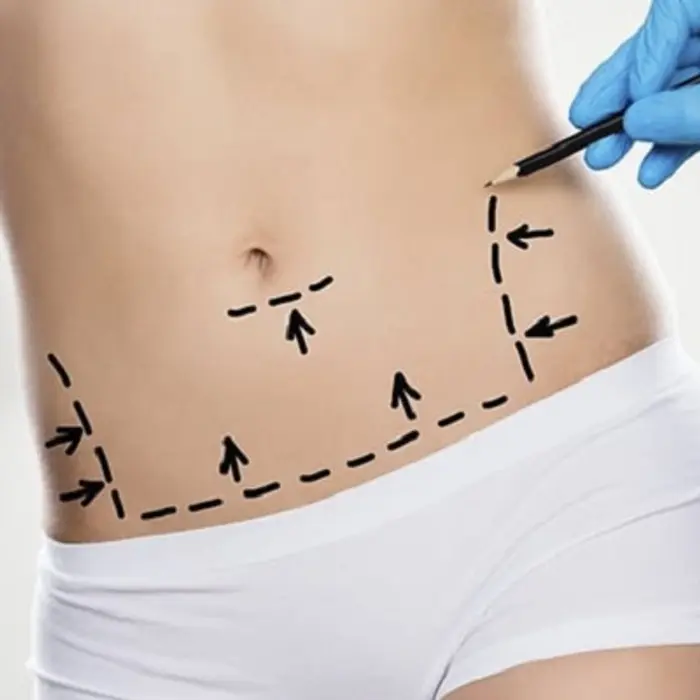
A small surgical instrument called a cannula is inserted through tiny incisions in the skin. This cannula is connected to a suction device. Once inside the fat layer, the cannula is moved in controlled motions to break apart fat cells.

The science behind this step involves separating fat cells from connective tissue while minimizing damage to surrounding structures. This precision is what makes Liposuction in Oman a controlled and targeted procedure rather than a random fat removal process.

In some techniques, fluid is injected into the fat layer before suction begins. This fluid helps loosen fat cells, reduce bleeding, and make fat easier to remove. This process improves safety and enhances the smoothness of results.

Types of Liposuction Techniques and Their Scientific Basis

Modern liposuction is not a single method but a group of techniques that use different forms of energy or fluid assistance to remove fat more efficiently.

One common approach is tumescent liposuction, where a specialized solution is injected into the fat layer. This solution causes fat cells to swell and become easier to remove while also reducing pain and bleeding.

Another technique uses ultrasonic energy. In this method, sound waves are used to liquefy fat cells before suction. This allows for smoother extraction, especially in denser fat areas.

Laser-assisted liposuction uses controlled laser energy to melt fat cells before they are removed. The heat generated can also stimulate mild collagen contraction in the skin.

Each technique used in Liposuction in Oman is based on the same principle: separating fat cells from surrounding tissue while maintaining safety and precision. The choice of method depends on the treatment area, fat density, and individual body characteristics.

What Happens Inside the Body During Fat Suction

During the suction phase, fat cells that have been loosened or liquefied are gently extracted through the cannula. The suction device creates negative pressure, which allows fat to be drawn out of the body.

At a microscopic level, fat cells are broken apart and removed from the subcutaneous layer. Blood vessels are preserved as much as possible, which helps reduce excessive bleeding and supports faster recovery.

The body naturally reacts to this process by initiating a healing response. Swelling occurs as part of this response, and fluid accumulates temporarily in the treated area. This is completely normal and expected.

For individuals undergoing Liposuction in Oman, understanding this biological response is important because it explains why final results are not immediately visible. The body needs time to heal and adjust to the new contour.

Healing, Skin Retraction, and Long-Term Changes

After fat removal, the body enters a recovery phase where tissues begin to reorganize. One of the most important processes during this stage is skin retraction.

Skin contains elastic fibers such as collagen and elastin, which allow it to contract after fat is removed. The degree of skin tightening depends on factors like age, skin quality, and the amount of fat removed.

In individuals with good skin elasticity, the skin gradually adapts to the new shape, resulting in a smooth contour. In others, mild looseness may occur if skin does not retract fully.

Over time, swelling decreases, and the treated area becomes more defined. This gradual transformation is why Liposuction in Oman results are typically evaluated over several months rather than immediately after the procedure.

The body also redistributes fluid balance during healing, which contributes to a more refined and natural appearance.

Why Fat Cells Do Not Return After Liposuction

One of the most scientifically interesting aspects of liposuction is that removed fat cells do not regenerate. The body has a fixed number of fat cells after adolescence, and these cells can only shrink or expand—they do not multiply under normal conditions.

When fat cells are removed during liposuction, they are permanently eliminated from the treated area. This is why results are long-lasting in those specific zones.

However, remaining fat cells in other areas of the body can still grow if there is significant weight gain. This is why maintaining a stable lifestyle is important after Liposuction in Oman to preserve balanced body contours.

This scientific principle explains why liposuction is considered a contouring procedure rather than a weight-loss treatment.

Frequently Asked Questions

1. How does liposuction physically remove fat from the body?
Liposuction uses a cannula and suction device to break apart and extract fat cells from the subcutaneous layer beneath the skin.

2. Is fat completely destroyed during liposuction?
Yes, fat cells removed during the procedure are permanently eliminated from the treated area and do not grow back.

3. Why does swelling occur after liposuction?
Swelling is a natural healing response caused by fluid accumulation and tissue repair after fat removal.

4. Does liposuction damage muscles or organs?
No, liposuction targets only the fat layer and is designed to avoid damage to deeper structures like muscles and organs.

5. How long does it take for the body to adjust after fat removal?
The body typically takes several weeks to months to fully heal, with final contour changes becoming visible over time.

6. Can fat return to the treated area after liposuction?
Fat cells removed do not return, but remaining fat cells can expand if there is significant weight gain.

Read More About Liposuction: https://www.citymapia.com/muscat/enfield-royal-clinic-oman/blog/liposuction-results-gone-30082


Related items