Muscat, Muscat Governorate

map icon mao preview icon

mail icon [email protected]

website icon https://www.enfieldroyalclinics.om Go to Website

muscat

Copyright © 2026 Citymapia.com. All Rights Reserved

Is Ear Reshaping Safe for Beginners? Key Facts

Is Ear Reshaping Safe for Beginners? Key Facts

Posted On Jun 5, 2026

Learn about ear reshaping (otoplasty), a cosmetic procedure that improves ear shape, size, or position for a balanced, natural-looking appearance.
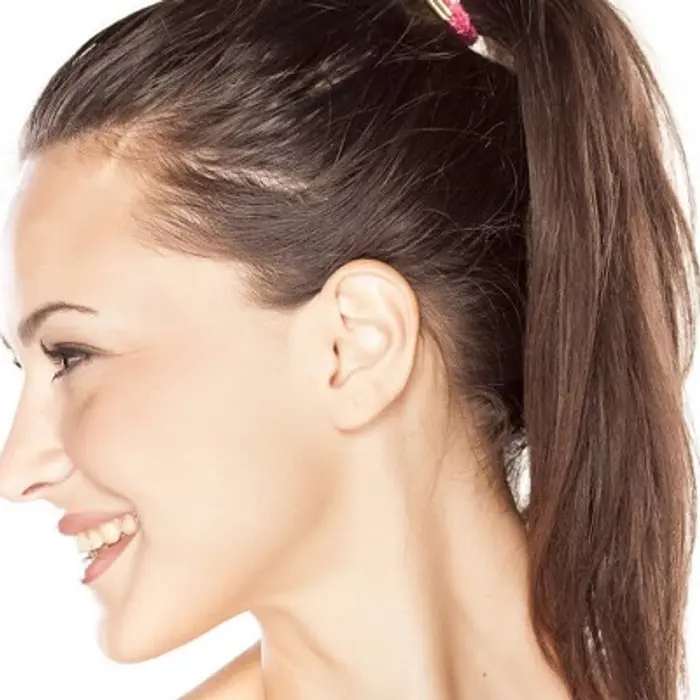

Ear reshaping, also known as otoplasty, is a cosmetic procedure designed to change the shape, position, or proportion of the ears. It is commonly chosen by individuals who feel self-conscious about prominent, uneven, or misshapen ears. For many people considering their first cosmetic procedure, a common question arises: is Ear Reshaping safe for beginners?

The short answer is that ear reshaping is generally considered a safe and well-established procedure when performed on suitable candidates under proper medical care. However, like any surgery, it comes with important considerations that beginners should fully understand before making a decision.

This article explores how ear reshaping works, its safety profile, recovery expectations, and key facts every beginner should know before undergoing the procedure.

Understanding Ear Reshaping (Otoplasty)

Ear reshaping is a surgical procedure that modifies the structure of the outer ear. It can address several concerns, including ears that stick out prominently, asymmetry between ears, or deformities caused by genetics or injury.

The procedure typically involves adjusting cartilage to create a more balanced and natural appearance. In some cases, cartilage may be reshaped, folded, or removed to achieve the desired result. Because the ears are mostly composed of cartilage rather than bone, they are highly adaptable to reshaping techniques.

Ear reshaping is often performed on children as well as adults. In fact, many people choose to undergo the procedure in early childhood to avoid long-term self-esteem challenges. However, adults increasingly seek it as well, especially those who have lived with ear concerns for years.

Is Ear Reshaping Safe for Beginners?

For beginners, ear reshaping is widely regarded as a safe cosmetic procedure when performed under proper medical supervision. It is considered less complex compared to many other cosmetic surgeries because it involves a small, localized area of the body.

The safety of ear reshaping depends on several key factors:

  • The overall health of the individual
  • The structure and condition of the ear cartilage
  • The expertise and experience of the medical professional
  • Proper pre-operative evaluation and planning
  • Adherence to post-operative care instructions

Most people tolerate the procedure well, and complications are relatively rare. Beginners are often reassured to learn that ear reshaping does not involve internal organs or deep surgical systems, which lowers the overall risk profile compared to more invasive procedures.

However, safety does not mean risk-free. As with any surgery, there are potential side effects and recovery considerations that must be understood in advance.

Who Is an Ideal Candidate for Ear Reshaping?

Not everyone who is interested in ear reshaping is automatically a suitable candidate. A careful evaluation is always necessary to ensure safety and effectiveness.

Ideal candidates typically include individuals who:

  • Have protruding or prominent ears
  • Experience asymmetry between ears
  • Have fully developed ear cartilage (usually after early childhood)
  • Are in good general health
  • Do not have untreated ear infections or skin conditions

For beginners, emotional readiness is also important. Those who have realistic expectations and understand that the goal is improvement rather than perfection tend to be more satisfied with the outcome.

In younger patients, parental support and guidance are important factors. For adults, personal motivation and understanding of the procedure play a major role in decision-making.

How the Ear Reshaping Procedure Works

The ear reshaping process is typically straightforward and follows a structured approach. While techniques may vary depending on individual needs, the general steps remain similar.

First, a detailed consultation is conducted to assess ear structure and discuss goals. This helps in planning a personalized approach.

During the procedure, small incisions are usually made behind the ear, making scars less visible. The cartilage is then carefully reshaped or repositioned to achieve a more natural contour. In some cases, stitches are used to maintain the new shape.

The procedure is often performed under local or general anesthesia depending on age and complexity. It is commonly completed within a few hours, and most individuals can return home the same day.

For beginners, the simplicity and short duration of the procedure are often reassuring factors.

Recovery and Healing Process

Recovery plays a major role in the overall safety and success of ear reshaping. After the procedure, the ears are typically bandaged to support healing and protect the new shape.

Mild discomfort, swelling, and tightness are common during the first few days. These symptoms gradually improve as the healing process progresses.

Most individuals are advised to:

  • Keep the head elevated while resting
  • Avoid sleeping directly on the ears
  • Refrain from strenuous activities for a short period
  • Follow all aftercare instructions carefully

Within a few weeks, most visible swelling reduces significantly, and the ears begin to settle into their final shape. Full healing may take a bit longer, depending on individual recovery speed.

For beginners, understanding that recovery is gradual helps set realistic expectations and reduces anxiety during the healing phase.

Risks and Safety Considerations

Although ear reshaping is considered safe, it is still a surgical procedure and carries some potential risks. These may include:

  • Temporary swelling or bruising
  • Mild discomfort or tightness
  • Minor scarring behind the ear
  • Asymmetry in healing outcomes
  • Rare risk of infection or cartilage irritation

These risks are generally low when proper techniques and aftercare are followed. Beginners are usually advised to follow all medical instructions carefully to minimize complications.

One important safety factor is choosing the right timing for the procedure. Undergoing surgery when the ears are fully developed and the individual is in good health significantly improves outcomes.

Psychological and Emotional Benefits

Beyond physical appearance, ear reshaping can have a meaningful emotional impact. Many individuals who feel self-conscious about their ears often experience improved confidence after the procedure.

Beginners frequently report feeling more comfortable in social situations and less concerned about hairstyles or headwear that expose the ears. This emotional shift can positively influence self-esteem and overall quality of life.

However, it is important to maintain realistic expectations. While ear reshaping can enhance appearance, it does not change personality or resolve deeper emotional challenges. A balanced mindset contributes to long-term satisfaction.

Long-Term Results and Maintenance

One of the advantages of ear reshaping is that the results are generally long-lasting. Once the cartilage heals in its new position, the changes tend to remain stable over time.

However, maintaining results still requires care during the healing phase. Protecting the ears from trauma or pressure, especially in the early weeks, is essential.

For beginners, understanding that results are permanent helps in appreciating the value of proper aftercare and responsible decision-making.

FAQs

1. Is ear reshaping safe for first-time patients?
Yes, ear reshaping is generally considered safe for beginners when performed by qualified professionals and with proper pre- and post-care.

2. How painful is ear reshaping?
Most individuals experience mild discomfort rather than severe pain, especially during the first few days after the procedure.

3. How long does recovery take?
Initial recovery takes a few weeks, but full healing and final results may take a couple of months depending on the individual.

4. Can both children and adults undergo ear reshaping?
Yes, the procedure is suitable for both, provided the ear cartilage has fully developed and the person is in good health.

5. Will there be visible scars after ear reshaping?
Incisions are usually made behind the ear, making scars minimal and less noticeable over time.

6. Are the results of ear reshaping permanent?
Yes, in most cases, the results are long-lasting as the cartilage maintains its new shape after healing.

Read More About Ear Reshaping: https://www.citymapia.com/muscat/enfield-royal-clinic-oman/blog/plastic-surgery-for-27573


Related items