Enfield Royal Clinic Oman

 Home
Home  About Enfield Royal Clinic Oman
  Treatments
  Make An Enquiry





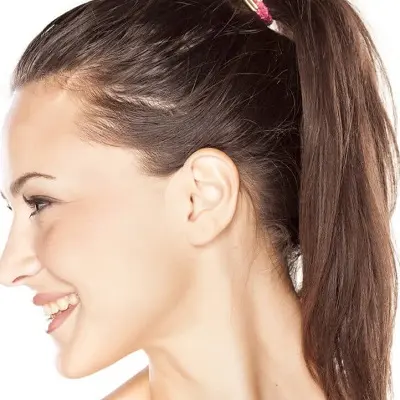
Long-Term Care After Ear Reshaping Treatment Overview
Posted On Jun 5, 2026Learn about ear reshaping (otoplasty), a cosmetic procedure that improves ear shape, size, or position for a balanced, natural-looking appearance.
Ear Reshaping in Muscat has become an increasingly sought-after cosmetic option for individuals looking to improve ear symmetry, correct prominence, or enhance facial balance. The procedure, medically known as ear reshaping or otoplasty Ear Reshaping, offers long-lasting aesthetic improvements when combined with proper aftercare.
While the surgery itself is an important step, long-term care plays an equally essential role in maintaining results and ensuring smooth healing. Patients who follow structured aftercare guidelines often experience more stable outcomes, fewer complications, and greater satisfaction over time.
This article explores what long-term care involves after ear reshaping, especially for individuals undergoing treatment in Muscat, and how to support healing for the best possible results.
Understanding Ear Reshaping in Muscat and Its Long-Term Goals
Ear reshaping in Muscat is typically chosen by individuals seeking natural-looking correction of ear shape or positioning. The procedure focuses on adjusting cartilage structure to create improved proportion and symmetry with the rest of the face.
The long-term goal is not just immediate improvement but a stable, lasting result that maintains its shape over time. Since cartilage has memory and flexibility, proper healing care is essential to prevent unwanted shifting or relapse.
In the long run, patients are encouraged to think beyond the initial recovery phase. The outcome depends heavily on how well the ears are protected and maintained in the months following the procedure.
Healing Timeline After Ear Reshaping
Understanding the healing timeline helps patients set realistic expectations and manage long-term care effectively.
In the first few days after surgery, swelling, mild discomfort, and tightness around the ears are common. A protective dressing is usually applied to support the newly shaped cartilage and reduce movement.
During the first two weeks, most visible swelling begins to reduce, and patients often feel more comfortable returning to light daily routines. However, the ears are still sensitive and require protection from pressure or accidental impact.
Over the next several weeks to months, the cartilage gradually stabilizes into its new shape. This is a crucial phase where long-term care becomes especially important. Even though the ears may look healed externally, internal healing continues for a longer period.
By the end of a few months, results typically appear more refined and settled, with the final outcome becoming more visible.
Essential Long-Term Care Practices for Ear Reshaping
Long-term care after ear reshaping focuses on protecting the ears, supporting healing tissues, and maintaining results.
One of the most important practices is avoiding pressure on the ears during sleep. Patients are often advised to sleep on their back for several weeks or even longer, depending on healing progress. This prevents unnecessary strain on the cartilage.
Wearing protective headbands during early recovery may also be recommended to keep the ears secure and reduce movement during sleep or daily activities.
Proper hygiene is equally important. Keeping the area clean and following gentle cleaning routines helps prevent infection and supports healthy healing. However, excessive touching or rubbing should be avoided.
Sun protection can also play a role in long-term care. Direct sun exposure on healing tissue may affect skin quality, so shielding the area when outdoors is beneficial during early recovery.
Lifestyle Adjustments After Ear Reshaping in Muscat
Lifestyle habits have a direct influence on how well long-term results are maintained after ear reshaping in Muscat.
Physical activities, especially contact sports, should be avoided during the initial healing phase. These activities may increase the risk of accidental trauma to the ears, which can disrupt healing cartilage.
Even after returning to exercise, protective measures may be necessary for some time. Activities that involve helmets or tight headgear should be approached carefully to avoid pressure on the ears.
For individuals who wear glasses, extra attention is needed. The arms of glasses may rest behind the ears, so adjustments or temporary alternatives might be recommended during early recovery.
Children and teenagers undergoing ear reshaping may require additional monitoring, as their daily activities are often more physically active. Long-term care in these cases includes supervision and ensuring protective habits are consistently followed.
Monitoring Results and Identifying Early Concerns
Long-term care also involves observing how the ears heal over time. While most outcomes are smooth, being aware of early warning signs helps ensure timely attention if needed.
Mild swelling and sensitivity are normal during the healing phase. However, persistent pain, unusual redness, or asymmetry that worsens over time should be evaluated.
In some cases, minor irregularities in healing may appear as the cartilage settles. These are not always cause for concern but should be monitored during follow-up visits.
It is also important to track how the ears respond to pressure, movement, and daily activities. Any discomfort during routine actions may indicate that additional healing time or adjustments are needed.
Consistent observation helps ensure that the final outcome remains stable and natural-looking.
Emotional and Psychological Adaptation After Ear Reshaping
Beyond physical healing, long-term care after ear reshaping in Muscat also includes emotional adjustment. Many individuals experience a gradual boost in confidence as they become more comfortable with their appearance.
It is common for patients to take time to adjust to their new look. Even though the changes may be positive, they can feel unfamiliar at first. Over time, most individuals adapt naturally as the results become part of their identity.
Support from family and a positive self-image can play an important role in this adjustment period. As healing progresses, patients often report improved self-esteem and reduced concern about ear appearance.
Importance of Follow-Up and Continued Care
Follow-up care is a key component of long-term success after ear reshaping. Regular check-ins allow progress to be monitored and ensure that healing is on track.
During follow-up visits, the stability of the cartilage, skin healing, and overall symmetry are assessed. If any minor concerns arise, they can be addressed early before becoming long-term issues.
Even after full recovery, occasional evaluations may be helpful in ensuring that results remain consistent over time.
Patients are encouraged to maintain open communication and report any changes they notice, even months after the procedure.
FAQs About Long-Term Care After Ear Reshaping in Muscat
1. How long does long-term care last after ear reshaping in Muscat?
Long-term care can extend for several months after surgery, as the cartilage continues to stabilize and fully adapt to its new shape.
2. Can normal sleeping positions be resumed after ear reshaping?
Sleeping on the back is recommended initially. Side sleeping may be gradually resumed once healing is well advanced and discomfort is no longer present.
3. Is it safe to wear glasses after ear reshaping?
Yes, but care should be taken as the arms of glasses may rest near the healing area. Temporary adjustments may be helpful during early recovery.
4. When can physical activities be resumed after ear reshaping?
Light activities can usually be resumed early, but contact sports and activities with risk of ear impact should be avoided for several weeks or until fully cleared.
5. How can results be maintained long-term?
Results are maintained by protecting the ears from trauma, following aftercare instructions, and attending follow-up appointments as recommended.
6. What should be done if swelling returns after healing?
Mild fluctuations can occur, but persistent or increasing swelling should be evaluated to ensure proper healing and rule out complications.
Read More About Ear Reshaping: https://www.citymapia.com/muscat/enfield-royal-clinic-oman/blog/is-ear-reshaping-safe-for-27578

;)