Enfield Royal Clinic Oman

 Home
Home  About Enfield Royal Clinic Oman
  Treatments
  Make An Enquiry






Managing Appetite with Ozempic Injection
Posted On Mar 25, 2026Ozempic injection is a prescription medicine used to improve blood sugar control in adults with type 2 diabetes. Learn uses, dosage, and side effects.
Maintaining a healthy weight and managing appetite are challenges that many individuals face in today’s fast-paced world. With diet and exercise sometimes falling short, medical solutions such as Ozempic have gained attention for their effectiveness in regulating appetite and supporting weight management. For those looking for the Best Ozempic Injections in Muscat understanding how the medication works, proper usage, and necessary precautions is essential for achieving safe and effective results.
What is Ozempic and How Does It Work?
Ozempic is a medication that contains semaglutide, a glucagon-like peptide-1 (GLP-1) receptor agonist. It was initially developed to help individuals manage type 2 diabetes by regulating blood sugar levels. However, one of the notable benefits of Ozempic is its ability to reduce appetite and promote feelings of fullness, which can indirectly support weight management.
When administered as a weekly injection, Ozempic slows gastric emptying and signals the brain to reduce hunger. This mechanism helps individuals consume fewer calories without feeling deprived. Understanding how Ozempic works allows users to integrate it effectively into a broader lifestyle plan that includes healthy eating and regular physical activity.
Preparing for an Ozempic Injection
Before beginning Ozempic treatment, proper preparation is important. Patients should consult healthcare professionals to assess suitability, especially if they have underlying medical conditions such as pancreatic disorders, kidney disease, or gastrointestinal issues.
Key steps in preparation include:
- Understanding the dosage schedule: Ozempic is usually administered once weekly, with doses gradually increased to minimize side effects.
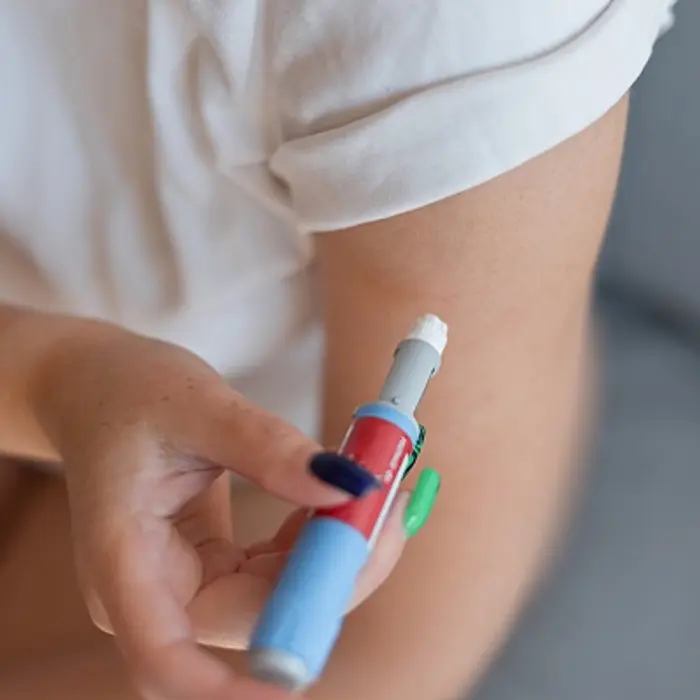
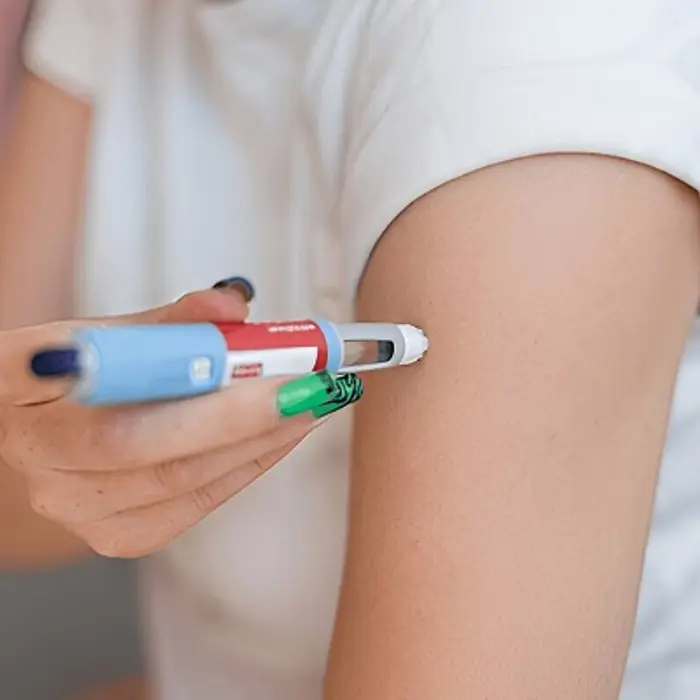
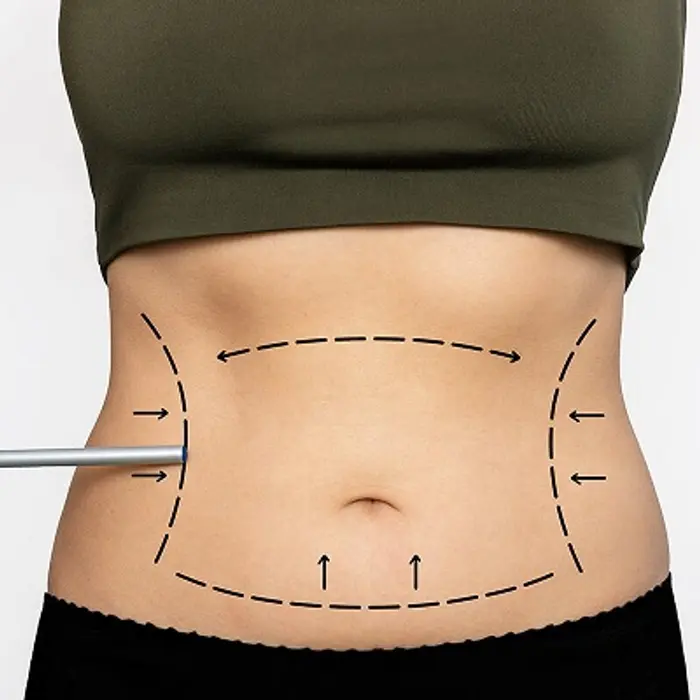
- Learning proper injection techniques: The medication is injected subcutaneously, typically in the abdomen, thigh, or upper arm. Familiarity with injection methods improves comfort and reduces anxiety.
- Reviewing potential interactions: Certain medications, including other diabetes treatments, may interact with Ozempic. Awareness of these interactions ensures safety.
Being well-prepared helps individuals approach treatment confidently and maximizes the benefits of the medication.
Incorporating Ozempic into Daily Life
Managing appetite effectively with Ozempic involves more than just taking the injection. Integrating lifestyle habits can amplify results and support overall well-being.
- Balanced Nutrition: Emphasizing whole foods, lean proteins, fiber-rich vegetables, and healthy fats complements the appetite-suppressing effects of Ozempic. Regular meals prevent energy crashes and promote satiety.
- Hydration: Drinking sufficient water helps maintain energy levels and supports digestion. Adequate hydration also helps reduce potential gastrointestinal side effects.
- Regular Physical Activity: Exercise enhances metabolism, supports cardiovascular health, and can help preserve lean muscle mass while reducing fat.
Consistency in daily habits combined with Ozempic injections produces more sustainable outcomes than relying solely on medication.
Managing Common Side Effects
Like any medication, Ozempic may cause side effects, especially during the initial weeks of treatment. Common experiences include nausea, mild vomiting, diarrhea, constipation, and abdominal discomfort. These effects usually subside as the body adjusts to the medication.
Tips for managing side effects include:
- Starting with a lower dose and gradually increasing it as recommended.
- Eating smaller, more frequent meals to reduce nausea.
- Avoiding high-fat or very spicy foods during the initial adjustment period.
- Reporting persistent or severe side effects to a healthcare professional immediately.
Understanding what to expect helps patients manage symptoms effectively and maintain consistency with their treatment plan.
Monitoring Progress and Adjusting the Plan
Tracking progress is an essential part of managing appetite and weight with Ozempic. Regular monitoring allows individuals to observe how their body responds and make adjustments to their lifestyle habits accordingly.
- Weight Tracking: Recording weekly weight changes helps assess the effectiveness of treatment and lifestyle strategies.
- Appetite and Satiety Journals: Documenting hunger levels and food intake provides insight into patterns and helps refine meal planning.
- Regular Checkups: Periodic consultations with a healthcare provider ensure that the treatment remains safe and effective, and any necessary adjustments to dosage or lifestyle recommendations can be made.
This proactive approach promotes long-term success and reduces the likelihood of plateauing or regaining weight.
Safety Considerations for Ozempic Users
Safety is a crucial consideration for anyone using Ozempic. While the medication is generally well-tolerated, it may not be suitable for everyone. Individuals with a history of pancreatitis, severe gastrointestinal disease, or certain thyroid conditions should exercise caution.
Additional safety tips include:
- Avoiding skipping doses or abruptly discontinuing the medication without professional guidance.
- Storing injections properly to maintain medication effectiveness.
- Recognizing signs of serious adverse reactions, such as severe abdominal pain, persistent vomiting, or allergic reactions, and seeking medical attention promptly.
Following these guidelines ensures that the treatment remains both safe and effective.
FAQs About Ozempic Injections
1. How soon can I expect to feel appetite suppression?
Most users notice reduced hunger within the first few weeks of treatment, although the effect may vary depending on individual response and dosage.
2. Can Ozempic be used for weight loss without diabetes?
While primarily approved for type 2 diabetes, semaglutide-based medications have shown effectiveness in supporting weight management under medical supervision.
3. Are there dietary restrictions while using Ozempic?
There are no strict restrictions, but maintaining a balanced, nutrient-rich diet supports the medication’s effectiveness and overall health.
4. How long does a single Ozempic injection last?
Ozempic is a long-acting injection designed to be administered once a week, providing sustained appetite regulation.
5. Can Ozempic cause hypoglycemia (low blood sugar)?
Hypoglycemia is uncommon when used alone, but the risk increases if combined with other diabetes medications. Monitoring blood sugar is essential for those at risk.
6. What should I do if I miss a dose?
If a dose is missed, it should be taken as soon as possible, following guidance from a healthcare provider to maintain safe and consistent treatment.
Using Ozempic injections responsibly, in combination with healthy lifestyle habits, provides a practical and effective approach to appetite management. Individuals seeking the best Ozempic injections in Muscat can benefit from understanding the medication, preparing for treatment, and following safe usage practices to achieve optimal results.
Read More About Ozempic Injection: https://www.citymapia.com/muscat/enfield-royal-clinic-oman/blog/ozempic-injection-for-blood-22736





;)