Enfield Royal Clinic Oman

 Home
Home  About Enfield Royal Clinic Oman
  Treatments
  Make An Enquiry





Mounjaro Injection: How Often to Take and Monitor
Posted On Apr 14, 2026Mounjaro Injection is a prescription medication used to help manage type 2 diabetes by improving blood sugar control. Learn about its benefits, usage, and side effects.
The Mounjaro Injection has become an increasingly discussed treatment option for individuals managing type 2 diabetes and, in some cases, those focusing on weight management under medical supervision. As interest grows, many people want clear and simple guidance on how often it should be taken and how progress should be monitored over time.
Mounjaro (tirzepatide) works by targeting specific hormones involved in blood sugar regulation and appetite control. Because of its long-acting nature, it is not a daily medication, which makes understanding its dosing schedule and monitoring process especially important for safe and effective use.
This article explains how the Mounjaro Injection is typically used, how often it is taken, and what users should observe during treatment. It is written in a simple, friendly, and expert tone to help readers better understand what to expect.
What is Mounjaro Injection?
Mounjaro Injection is a prescription medication used to help manage blood sugar levels in adults with type 2 diabetes. It contains tirzepatide, a dual-action medication that works on two key hormone receptors: GLP-1 (glucagon-like peptide-1) and GIP (glucose-dependent insulinotropic polypeptide).
These hormones play an important role in regulating insulin release, blood sugar levels, and appetite. By activating both pathways, Mounjaro helps the body manage glucose more efficiently while also supporting appetite control and reduced food intake in many users.
Because of its long-acting formulation, the injection is designed to remain active in the body for an extended period, which is why it is not taken daily like some other diabetes medications.
How Often to Take Mounjaro Injection
The Mounjaro Injection is typically taken once a week. This weekly schedule is one of its key advantages, as it helps improve adherence and simplifies treatment routines for patients.
It is usually recommended to take the injection on the same day each week to maintain consistent medication levels in the body. For example, a person might choose every Monday or every Friday as their injection day and continue that pattern.
Healthcare providers often start patients on a lower dose and gradually increase it over time. This step-by-step approach helps the body adjust to the medication and reduces the likelihood of side effects. However, the exact dosing schedule is individualized based on response, tolerance, and treatment goals.
If a dose is missed, it is generally advised to take it as soon as possible within a few days, depending on timing. If too much time has passed, the missed dose is usually skipped, and the next scheduled dose is taken as planned. Consistency is important, but occasional missed doses should be handled carefully rather than doubled.
How to Properly Use the Injection
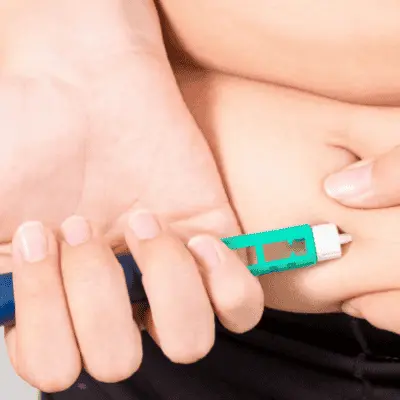
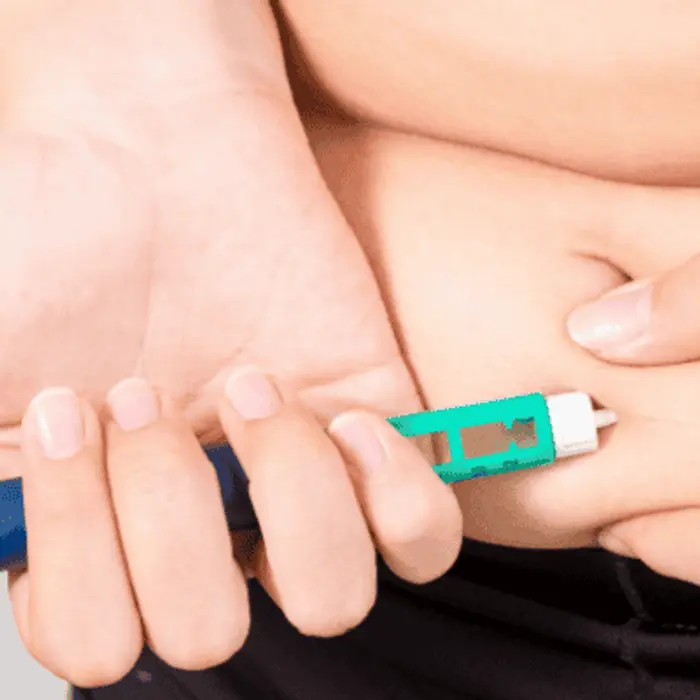
Mounjaro Injection is administered subcutaneously, meaning it is injected under the skin rather than into a muscle or vein. Common injection areas include the abdomen, thigh, or upper arm.
To ensure proper use, individuals are generally advised to rotate injection sites each week. This helps reduce skin irritation and prevents discomfort or tissue hardening in one area.
Before injecting, the medication should be checked for clarity and proper storage conditions. It is important that users follow proper hygiene practices, such as cleaning the injection site with an alcohol swab before administration.
Many users find the process manageable after initial guidance, as the injection is designed for self-administration with a user-friendly device. However, proper training or instruction from a healthcare professional is essential before starting treatment.
Monitoring Progress and Treatment Response
Monitoring is a key part of using the Mounjaro Injection effectively. Since the medication influences both blood sugar levels and appetite, progress should be tracked from multiple angles.
For individuals with type 2 diabetes, regular blood sugar monitoring is essential. This helps ensure that glucose levels remain within a safe and stable range. Over time, healthcare providers may also track HbA1c levels, which reflect long-term blood sugar control.
In addition to glucose monitoring, many users observe changes in appetite, portion control, and body weight. While weight changes are not the primary goal for everyone, they can be a noticeable effect of the medication.
It is also important to track how the body responds in terms of energy levels, digestion, and overall well-being. Keeping a simple weekly record can help identify patterns and support better communication with a healthcare provider.
Possible Side Effects and What to Watch For
Like all medications, Mounjaro Injection may cause side effects in some individuals. Most side effects are mild and tend to improve as the body adjusts over time.
Commonly reported effects may include nausea, reduced appetite, mild vomiting, constipation, or diarrhea. These symptoms are often temporary and may become less noticeable with continued use.
Some individuals may also experience fatigue or mild stomach discomfort, especially during the early stages of treatment or after dose adjustments.
While rare, more serious side effects can occur and should be monitored closely. These may include severe abdominal pain, signs of dehydration, or allergic reactions. Any unusual or persistent symptoms should be reported promptly to a healthcare professional.
Understanding side effects helps users stay informed and better prepared during their treatment journey.
Tips for Safe and Effective Use
To get the best results from Mounjaro Injection, consistency and proper usage are essential. Taking the medication on the same day each week helps maintain stable levels in the body and improves overall effectiveness.
Storing the medication correctly is also important. It should typically be kept in a refrigerator and protected from excessive heat or direct sunlight. Users should always check storage instructions provided with the medication.
Hydration and balanced nutrition can also support the body’s response to treatment. Since appetite changes may occur, maintaining healthy eating habits helps ensure proper nutrient intake.
If lifestyle changes such as diet or exercise are part of a treatment plan, they should be followed consistently alongside the injection schedule. Combining medication with healthy habits often produces better long-term outcomes.
Lastly, users should never adjust their dose or stop the medication without guidance. Any changes should be made in consultation with a healthcare provider to ensure safety and effectiveness.
Frequently Asked Questions
1. How often is Mounjaro Injection taken?
Mounjaro Injection is typically taken once a week. It is designed as a long-acting medication, which makes weekly dosing sufficient for maintaining its effects in the body.
2. What happens if a dose is missed?
If a dose is missed, it should usually be taken as soon as remembered within a few days. If too much time has passed, the missed dose is skipped and the next scheduled dose is taken.
3. Can the injection be taken on any day of the week?
Yes, the injection can be taken on any chosen day, but it should be consistent each week. Many users select a fixed day to help maintain a routine.
4. Where should Mounjaro Injection be administered?
It is usually injected under the skin in the abdomen, thigh, or upper arm. Rotating injection sites each week is recommended to avoid irritation.
5. How long does it take to see results?
Results vary from person to person. Some individuals may notice changes in appetite or blood sugar levels within a few weeks, while full effects may take longer.
6. What should be monitored during treatment?
Blood sugar levels, weight changes, appetite, and any side effects should be monitored regularly. This helps ensure the treatment is working effectively and safely.
Read More About Mounjaro Injections: https://www.citymapia.com/muscat/enfield-royal-clinic-oman/blog/mounjaro-injection-and-24524







;)