Enfield Royal Clinic Oman

 Home
Home  About Enfield Royal Clinic Oman
  Treatments
  Make An Enquiry






Ozempic Injection Dosage Basics for New Users
Posted On Dec 31, 2025Ozempic injection is a prescription medicine used to improve blood sugar control in adults with type 2 diabetes. Learn uses, dosage, and side effects.
Managing blood sugar levels effectively is essential for people with type 2 diabetes, and medications like Ozempic have become increasingly popular due to their efficacy and convenience. If you are new to this treatment, understanding the proper dosage, administration, and what to expect is crucial for achieving the best results safely. This guide provides an expert yet friendly overview for anyone considering Ozempic Injection in Oman.
What is Ozempic?
Ozempic is a prescription medication primarily used to manage type 2 diabetes. Its active ingredient, semaglutide, belongs to a class of drugs called GLP-1 receptor agonists. These medications work by stimulating insulin release when blood sugar levels are high, reducing appetite, and slowing down digestion. This combination helps improve blood sugar control and can even support weight management for some patients.
Although Ozempic is highly effective, it’s essential to follow dosing instructions carefully to minimize side effects and maximize benefits.
How Ozempic Injection Works
Ozempic is administered as a once-weekly subcutaneous injection, usually in the thigh, abdomen, or upper arm. Unlike daily insulin or other diabetes medications, this weekly schedule provides consistent blood sugar control while simplifying the routine for patients. The medication gradually improves glucose regulation by helping the pancreas release insulin in response to meals and decreasing the amount of sugar the liver produces.
In addition to its blood sugar-lowering effects, Ozempic may also help reduce the risk of cardiovascular events in patients with type 2 diabetes, making it a comprehensive option for managing long-term health.
Starting Dosage for New Users
For new users, starting with the correct dosage is critical. Typically, the treatment begins with a low dose to help the body adjust and reduce the likelihood of gastrointestinal side effects such as nausea, vomiting, or diarrhea.
Initial Dose: Most patients start with 0.25 mg once weekly for the first four weeks. This dose is not intended to control blood sugar significantly but helps the body adapt to the medication.
Maintenance Dose: After the initial period, the dose is usually increased to 0.5 mg once weekly. Some patients may later require a higher dose of 1 mg per week, depending on their blood sugar response and healthcare provider recommendations.
It is essential to follow the prescribed schedule and not increase the dose too quickly. Doing so may increase the risk of side effects without providing additional benefits.
How to Administer Ozempic Properly
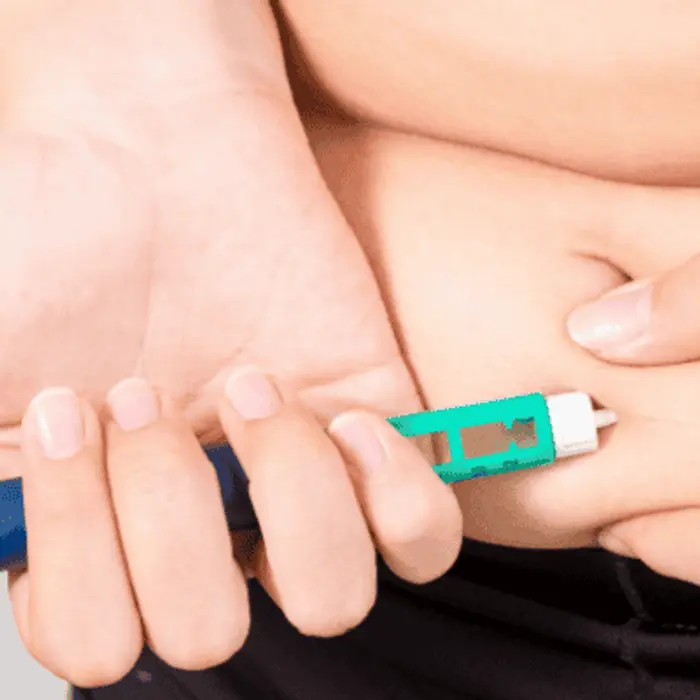
Administering Ozempic is straightforward, but proper technique ensures effectiveness and comfort:
Choose the Injection Site: Rotate between the abdomen, thigh, or upper arm to prevent irritation.
Prepare the Pen: Check the expiration date and inspect the solution. Ensure it is clear and colorless.
Inject Subcutaneously: Pinch the skin and insert the needle at a 90-degree angle. Push the button to deliver the dose and hold for 5–10 seconds.
Dispose of the Needle Safely: Always use a sharps container to prevent injury.
Consistency is key, so choose a day of the week that is easiest to remember for your injection.
Tips for Managing Side Effects
Like any medication, Ozempic may cause side effects, though not everyone experiences them. Common issues include nausea, mild stomach upset, diarrhea, or constipation. These often improve as the body adjusts to the medication.
Some helpful tips include:
Start with a low dose and only increase as recommended.
Eat smaller, more frequent meals to reduce gastrointestinal discomfort.
Stay hydrated throughout the day.
Avoid skipping doses to maintain consistent blood sugar control.
If side effects persist or become severe, it’s essential to consult a healthcare provider promptly.
Benefits of Consistent Use
Patients who adhere to their Ozempic regimen often notice several benefits beyond blood sugar control. These can include:
Improved HbA1c Levels: Many patients experience measurable reductions in long-term blood sugar averages.
Weight Management Support: By reducing appetite and slowing digestion, Ozempic can support gradual weight loss.
Reduced Cardiovascular Risk: Clinical studies show that semaglutide may lower the risk of heart disease in type 2 diabetes patients.
Consistency and correct dosing are vital to achieving these outcomes. Regular monitoring of blood sugar levels also helps patients and healthcare providers adjust the dosage as needed.
Frequently Asked Questions (FAQs)
1. How long does it take for Ozempic to work?
Ozempic begins to affect blood sugar levels within a few days, but significant improvements in HbA1c are usually observed after 4–6 weeks of consistent use.
2. Can I take Ozempic if I have kidney issues?
Ozempic is generally safe for people with mild to moderate kidney impairment, but dosage adjustments may be needed. Patients with severe kidney issues should consult a healthcare provider before starting.
3. Is it safe to take Ozempic with other diabetes medications?
Yes, Ozempic can be used alongside certain medications, but it’s crucial to coordinate with a healthcare provider to prevent hypoglycemia or drug interactions.
4. Can Ozempic cause weight gain?
Weight gain is uncommon. In fact, some patients may experience weight loss due to reduced appetite and slower digestion.
5. What should I do if I miss a dose?
If a dose is missed, it should be administered as soon as possible if there are more than 2 days until the next scheduled dose. Otherwise, skip the missed dose and continue with the regular weekly schedule.
6. Are there long-term risks associated with Ozempic?
Long-term use has been studied extensively, and while most patients tolerate the medication well, potential risks include pancreatitis and thyroid issues. Regular check-ups are recommended.
7. Do I need to adjust my diet while using Ozempic?
While strict dietary changes are not mandatory, following a balanced diet and monitoring carbohydrate intake can enhance the medication’s effectiveness.
Conclusion
For individuals managing type 2 diabetes, Ozempic Injection in Oman offers a convenient, effective option for improving blood sugar control and supporting overall health. Starting with the correct dosage, administering the injection properly, and monitoring for side effects are essential steps for new users. By understanding the basics of Ozempic, patients can approach treatment confidently, improve their quality of life, and maintain long-term health.
Following these guidelines and consulting a healthcare provider regularly ensures safe, effective use, helping patients reap the full benefits of this once-weekly injectable medication.







;)