Enfield Royal Clinic Oman

 Home
Home  About Enfield Royal Clinic Oman
  Treatments
  Make An Enquiry





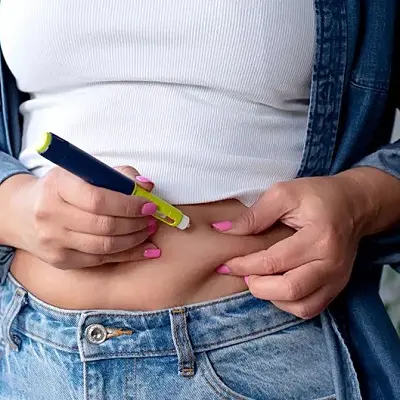
Realistic Weight Loss Goals With Ozempic Injection
Posted On Feb 25, 2026Ozempic injection is a prescription medicine used to improve blood sugar control in adults with type 2 diabetes. Learn uses, dosage, and side effects.
Losing weight can often feel like an uphill battle, especially for individuals managing type 2 diabetes or struggling with obesity. Ozempic injections Oman have emerged as a popular option for supporting weight loss while also helping regulate blood sugar levels. However, understanding what is realistic and sustainable is crucial for achieving long-term success. This article explores the role of Ozempic, sets practical expectations for weight loss, and offers tips for integrating it safely into a healthy lifestyle.
What Is Ozempic and How Does It Work?
Ozempic is a GLP-1 receptor agonist, a class of medications that mimics a natural hormone in the body called glucagon-like peptide-1 (GLP-1). It works in several ways to aid both blood sugar control and weight loss:
Appetite suppression: Ozempic slows stomach emptying, helping individuals feel full for longer periods.
Improved insulin response: It enhances insulin secretion when blood sugar levels rise, reducing spikes.
Glucagon regulation: Ozempic lowers glucagon, a hormone that increases blood sugar, helping maintain stable glucose levels.
For individuals in Oman seeking healthier weight management strategies, Ozempic injections provide a medically supported approach to complement diet and lifestyle changes.
Setting Realistic Weight Loss Goals
One of the most important aspects of weight management is setting achievable goals. While media and marketing often promote dramatic transformations, realistic weight loss is gradual and sustainable.
Safe rate of weight loss: Experts recommend losing 0.5 to 1 kilogram (1–2 pounds) per week. Rapid weight loss may result in muscle loss, nutritional deficiencies, or rebound weight gain.
Short-term goals: Aim for a 5–10% reduction in body weight over three to six months. Even modest weight loss can improve blood sugar, cholesterol, and blood pressure.
Long-term targets: Maintaining weight loss and continuing healthy habits should be the ultimate focus rather than chasing extreme results.
Ozempic injections can support these goals by helping individuals reduce calorie intake naturally and feel satisfied with smaller portions.
How Ozempic Supports Weight Loss
Clinical studies show that patients using Ozempic often experience meaningful weight reduction alongside improvements in glycemic control. Some ways Ozempic supports weight loss include:
Reduced cravings and portion control: By enhancing satiety, patients are less likely to overeat or indulge in unhealthy snacks.
Behavioral support: Feeling full sooner encourages healthier meal planning and reduces impulsive eating.
Metabolic benefits: Ozempic may improve insulin sensitivity, which can indirectly support fat loss.
While results vary depending on individual factors such as age, starting weight, and lifestyle, many patients report noticeable improvements within the first 12–16 weeks of consistent use.
Combining Ozempic With Lifestyle Changes
For sustainable results, Ozempic injections should be paired with healthy habits. Medication alone cannot replace lifestyle changes. Key strategies include:
Balanced diet: Emphasize vegetables, lean proteins, whole grains, and healthy fats while reducing sugar and processed foods.
Regular physical activity: Aim for at least 150 minutes of moderate-intensity exercise per week, including strength training.
Behavioral modifications: Track meals, practice mindful eating, and establish consistent sleep schedules.
Hydration: Drinking enough water supports metabolism and reduces unnecessary snacking.
Integrating these changes maximizes the effectiveness of Ozempic injections and helps maintain long-term weight management.
Expected Results and Timeline
Patients often ask how much weight they can expect to lose while using Ozempic. While results vary, clinical studies provide a general framework:
First month: Some patients notice reduced appetite and minor weight loss (1–2 kilograms).
3–4 months: Significant weight reduction is typically observed, with an average of 5–7% of initial body weight lost.
6 months and beyond: Continued weight loss is possible, with long-term adherence supporting gradual improvements and maintenance.
It is essential to recognize that individual outcomes may differ, and weight loss may plateau over time. Consistency and lifestyle support are key to overcoming these plateaus.
Possible Side Effects
Ozempic injections are generally well-tolerated, but some patients may experience side effects. These are typically mild and subside as the body adjusts to the medication:
Nausea and vomiting
Diarrhea or constipation
Stomach discomfort or bloating
Reduced appetite
Rare but more serious side effects, such as pancreatitis or gallbladder issues, require immediate medical attention. Regular follow-ups and monitoring are recommended for safe use.
Frequently Asked Questions (FAQs)
1. How often are Ozempic injections given?
Ozempic is typically administered once weekly via a subcutaneous injection. This convenient schedule helps patients adhere to treatment.
2. Can Ozempic be used without diabetes?
While Ozempic is primarily prescribed for type 2 diabetes, it has been used under medical supervision to aid weight loss in certain patients with obesity. Consultation with a healthcare professional is essential.
3. How quickly will appetite decrease?
Many patients notice reduced hunger within the first week, although full effects may take several weeks to manifest.
4. Are there any dietary restrictions with Ozempic?
There are no strict dietary rules, but a balanced, nutrient-rich diet enhances effectiveness. Avoiding highly processed and sugary foods is recommended.
5. Can Ozempic cause low blood sugar?
Ozempic alone rarely causes hypoglycemia. However, if combined with other diabetes medications, careful monitoring is necessary.
6. Is weight regained after stopping Ozempic?
Weight regain can occur if lifestyle habits are not maintained. Long-term results rely on ongoing healthy eating, exercise, and behavior management.
Conclusion
Ozempic injections Oman offer a scientifically supported option for individuals seeking to manage their weight safely and effectively. By combining appetite regulation, improved insulin response, and metabolic benefits, Ozempic can help patients achieve realistic weight loss goals.
The most sustainable results come from setting gradual, achievable targets, incorporating healthy lifestyle habits, and maintaining consistency with medication. While Ozempic can provide valuable support, understanding its role as part of a comprehensive weight management strategy ensures long-term success and overall health improvement.
With realistic expectations, patience, and commitment to lifestyle changes, Ozempic injections can become a powerful ally in the journey toward better health and well-being.








;)