Enfield Royal Clinic Oman

 Home
Home  About Enfield Royal Clinic Oman
  Treatments
  Make An Enquiry





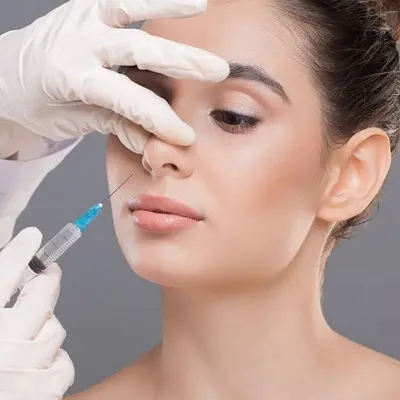
Rhinoplasty Recovery: What to Expect Day by Day
Posted On Dec 23, 2025Discover expert rhinoplasty procedures to enhance facial harmony and boost confidence. Learn about types, recovery, and what to expect from your nose surgery.
Undergoing Rhinoplasty in Oman can be a transformative experience, helping patients achieve improved facial balance and enhanced confidence. While the results of rhinoplasty are rewarding, understanding the recovery process is equally important. Knowing what to expect each day after surgery helps patients plan, reduce anxiety, and ensure optimal healing.
The First 24 Hours After Rhinoplasty
The initial day following rhinoplasty is critical for starting the healing process. Patients typically experience swelling, bruising, and mild discomfort, which is normal. An external splint or internal packing may be in place to support the new nasal structure.
During this period, it is recommended to:
Keep the head elevated, even while sleeping, to minimize swelling
Apply cold compresses carefully around the eyes and cheeks (not directly on the nose)
Avoid strenuous activity or bending over, which can increase pressure in the nose
Take prescribed medications for pain management and inflammation
Although movement may be limited, the first day is primarily about rest and allowing the body to begin healing.
Days 2 to 5: Managing Swelling and Bruising
During the first week, swelling and bruising around the eyes and nose peak. This is a natural part of recovery, and most bruising can be concealed with makeup or scarves if needed.
Patients are advised to:
Continue keeping the head elevated
Avoid blowing the nose, as it may disrupt internal healing
Stick to a soft diet if chewing causes discomfort
Refrain from wearing glasses that rest on the nose until cleared by a surgeon
By day five, some patients notice the bruising beginning to fade, although swelling may persist.
Days 6 to 10: Splint Removal and Visible Improvements
Around the end of the first week, external splints or nasal casts are typically removed. This is a milestone, as patients can finally see the initial shape of their new nose. While swelling remains, the nose begins to take a more defined form.
During this period, it is important to:
Follow instructions for gentle cleaning of the nostrils and incision areas
Continue avoiding strenuous activity, heavy lifting, or exercise
Monitor for unusual symptoms like excessive bleeding or severe pain, which should be reported immediately
This stage is a confidence booster for many patients, as they start to visualize the changes taking shape.
Weeks 2 to 3: Reduced Swelling and Returning to Routine
By the second and third weeks, swelling starts to subside, particularly around the eyes and cheeks. Most patients feel comfortable resuming light daily activities and may return to work or school.
Tips during this phase include:
Wearing loose-fitting clothing to avoid pressure on the nose
Avoiding direct sunlight or using a broad-spectrum sunscreen on the nose to prevent discoloration
Continuing to follow up with the healthcare provider for post-operative assessment
Even though visible swelling reduces, the internal healing process is ongoing, and patience is key.
Weeks 4 to 6: Gradual Resumption of Normal Activities
During this phase, patients often notice significant improvements in appearance and comfort. Most bruising has disappeared, and the nose feels more natural.
It is generally safe to:
Resume moderate physical activity, avoiding contact sports
Begin gentle facial exercises if advised by the healthcare provider
Continue monitoring for any minor swelling, which can persist for months
This period is when patients start feeling more confident in social and professional settings.
Months 2 to 6: Refining the Shape
While most visible healing occurs within the first few weeks, subtle swelling and tissue settling continue for several months. The nose gradually adopts its final shape, and patients can enjoy the full aesthetic benefits.
Important considerations include:
Avoiding trauma or pressure on the nose
Following any long-term care recommendations, such as moisturizing or sun protection
Being patient, as final results may take up to a year to be fully visible
By six months, the majority of patients are satisfied with their nasal shape, though minor refinements continue subtly.
Tips for a Smooth Recovery
To optimize healing after rhinoplasty in Oman, patients should:
Maintain a healthy diet rich in vitamins and minerals to support tissue repair
Avoid smoking or alcohol, which can delay healing
Stay hydrated and get sufficient rest
Attend all follow-up appointments to monitor progress and address concerns promptly
Avoid unnecessary touching or manipulation of the nose
Following these tips ensures a faster recovery and maximizes the long-term aesthetic and functional outcomes.
Common Symptoms During Recovery
It is normal to experience:
Swelling and bruising
Mild nasal congestion
Temporary changes in skin sensation, such as numbness or tingling
Minor discomfort during facial expressions
Most of these symptoms improve naturally with time. Persistent or severe symptoms should be discussed with a healthcare provider.
Frequently Asked Questions (FAQs)
1. How long does full recovery take after rhinoplasty?
Initial healing occurs within 2–3 weeks, but subtle swelling and final results may take up to a year.
2. Can I wear glasses after rhinoplasty?
Glasses should generally be avoided for the first few weeks to prevent pressure on the healing nose. Special support techniques may be advised.
3. Is bruising normal?
Yes, bruising around the eyes and cheeks is common and typically fades within 10–14 days.
4. When can I resume exercise?
Light activities may resume after 2–3 weeks, but contact sports or strenuous exercise should be avoided for 6–8 weeks.
5. Will the nose look natural immediately after surgery?
Initial results are visible after splint removal, but subtle swelling means the final natural shape develops gradually over months.
6. Can rhinoplasty improve breathing as well as appearance?
Yes, rhinoplasty can address structural issues like a deviated septum, improving airflow alongside aesthetic improvements.
Conclusion
Recovery from rhinoplasty in Oman is a gradual but rewarding process. By understanding what to expect day by day, patients can manage their expectations, take appropriate precautions, and enjoy the transformative benefits of a reshaped, symmetrical nose. Patience, diligent care, and following post-operative instructions are key to achieving optimal results, both aesthetically and functionally. With proper guidance, rhinoplasty can enhance not just facial harmony, but confidence and quality of life as well.

;)