Enfield Royal Clinic Oman

 Home
Home  About Enfield Royal Clinic Oman
  Treatments
  Make An Enquiry





What Scars Look Like After a Tummy Tuck
Posted On Mar 2, 2026Learn how this procedure removes excess skin and fat, tightens abdominal muscles, and restores a flatter, firmer, more contoured midsection.
A Tummy Tuck, medically known as abdominoplasty, is one of the most popular cosmetic procedures for people looking to achieve a flatter, firmer abdomen. Whether due to pregnancy, weight loss, or aging, loose skin and weakened abdominal muscles can be difficult to address through diet and exercise alone. While the results of a Tummy Tuck can be transformative, one of the most common concerns prospective patients have is about scarring.
Understanding what scars look like after a Tummy Tuck, how they heal, and what can be done to minimize their appearance can help individuals make an informed and confident decision. This article offers a clear, honest look at what to expect, written from a friendly yet expert perspective.
Where Are Tummy Tuck Scars Located?
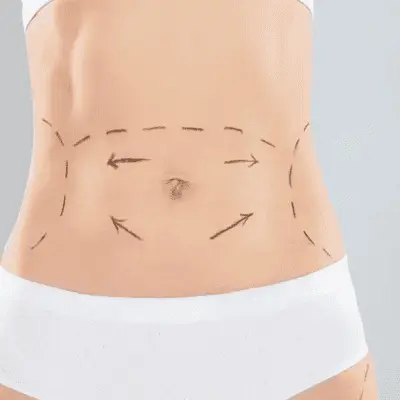
The primary scar from a Tummy Tuck is typically located low on the abdomen, just above the pubic area. In most cases, the incision runs horizontally from hip to hip. Surgeons intentionally place this incision low enough that it can usually be concealed beneath underwear or swimwear.
In addition to the main horizontal scar, there may also be a small scar around the belly button. During a full Tummy Tuck, the navel is repositioned to match the newly contoured abdomen. This results in a circular scar that blends into the natural folds of the belly button over time.
The exact length and shape of the scars depend on the type of Tummy Tuck performed. A mini Tummy Tuck involves a shorter incision and may not require repositioning the belly button, resulting in less visible scarring. A full or extended procedure may involve a longer incision to remove more excess skin.
What Do Tummy Tuck Scars Look Like Initially?
Immediately after surgery, Tummy Tuck scars appear as thin, red or pink lines. The area may look slightly raised, swollen, or firm to the touch. This is a normal part of the healing process.
In the first few weeks, scars may appear darker and more noticeable. Bruising and mild redness are also common during this phase. It is important to remember that fresh surgical scars do not reflect the final result. Healing is a gradual process, and scar appearance evolves significantly over time.
Patients are typically advised to follow post-operative care instructions carefully to support proper healing. Keeping the incision clean, avoiding tension on the scar, and attending follow-up appointments are all essential steps during this stage.
How Tummy Tuck Scars Change Over Time
Scar healing occurs in stages, and patience is key. Here’s what most individuals can expect:
1. Inflammatory Phase (0–2 Weeks)
During the initial phase, the body focuses on closing the wound and preventing infection. Scars appear red, slightly swollen, and sometimes firm.
2. Proliferative Phase (2–6 Weeks)
New collagen forms to strengthen the skin. The scar may still be pink or red and can feel slightly raised.
3. Maturation Phase (6 Months to 1–2 Years)
This is when the most noticeable changes happen. The scar gradually fades from red to pink and eventually to a lighter, flesh-toned line. It becomes flatter and softer. By one year or more, most Tummy Tuck scars are significantly less visible than they were in the early months.
While scars never disappear completely, they typically fade to a thin, pale line that blends naturally with the surrounding skin.
Factors That Affect Scar Appearance
Not all scars heal the same way. Several factors influence how Tummy Tuck scars look long term:
Skin Type and Genetics
Some individuals are more prone to developing thicker or darker scars, such as hypertrophic scars or keloids. Genetics plays a major role in how the body heals.
Surgical Technique
Precise incision placement, gentle tissue handling, and careful suturing techniques can significantly impact scar quality. Following post-surgical instructions also contributes to better outcomes.
Aftercare and Lifestyle
Proper wound care, avoiding smoking, maintaining a healthy diet, and protecting the scar from sun exposure all influence healing. Sun exposure can darken scars and make them more noticeable, especially in the first year.
Tension on the Incision
Excess strain on the abdominal area during early recovery can widen scars. Wearing recommended compression garments and limiting strenuous activity helps minimize tension.
Tips to Minimize Tummy Tuck Scars
While scars are a natural part of any surgical procedure, there are ways to help reduce their visibility.
Follow Post-Operative Instructions
Adhering strictly to recovery guidelines is one of the most important steps. This includes keeping the incision clean and dry and avoiding activities that stretch the abdomen.
Use Silicone-Based Products
Silicone gels or sheets are commonly recommended to improve scar appearance. They help hydrate the scar tissue and may reduce redness and thickness over time.
Protect from Sun Exposure
Direct sun exposure can cause scars to darken permanently. Applying sunscreen (once the incision is fully healed) and keeping the area covered when outdoors can help maintain a lighter scar.
Maintain Stable Weight
Significant weight fluctuations after a Tummy Tuck can stretch the skin and potentially affect scar appearance.
Consider Non-Surgical Treatments
For individuals concerned about scar visibility after healing, options such as laser therapy, microneedling, or topical treatments may help refine the appearance. These treatments are typically considered several months after surgery once the scar has matured.
Are Tummy Tuck Scars Worth It?
For many people, the improvement in abdominal contour outweighs concerns about scarring. A Tummy Tuck can remove excess skin, tighten abdominal muscles, and restore confidence in clothing and swimwear.
Most patients report that their scars are easily hidden under underwear or bikini bottoms. As the scar fades, it becomes a subtle reminder of the transformation rather than a prominent feature.
It is also important to keep expectations realistic. A Tummy Tuck improves body contour but does not guarantee “scarless” results. When individuals understand the trade-off—looser skin replaced by a flatter abdomen and a well-placed scar—they can make a decision that aligns with their goals.
Emotional and Psychological Perspective
Scars often carry emotional meaning. For some, they symbolize the journey through pregnancy, weight loss, or reclaiming body confidence. In many cases, individuals who initially worry about scarring find that they focus far more on the positive changes in their appearance.
Confidence often increases as the swelling decreases and final results become visible. By the one-year mark, many patients feel the scar is a minor detail compared to the overall improvement in body shape.
Who Is a Good Candidate for a Tummy Tuck?
A Tummy Tuck is typically suited for individuals who:
Have loose or sagging abdominal skin
Experience separated abdominal muscles (diastasis recti)
Are near their goal weight
Are not planning future pregnancies
Are in generally good health
Having realistic expectations about scarring is an essential part of candidacy. A consultation with a qualified professional can help determine whether the procedure aligns with personal goals.
Frequently Asked Questions (FAQs)
1. How long does it take for Tummy Tuck scars to fade?
Most Tummy Tuck scars significantly fade within 6 to 12 months. However, complete scar maturation can take up to two years.
2. Will the scar be visible in a bikini?
In most cases, the incision is placed low enough to be concealed by standard underwear or bikini bottoms. Proper placement helps keep scars discreet.
3. Can Tummy Tuck scars be completely removed?
Scars cannot be completely removed, but their appearance can be minimized over time with proper care and, if needed, non-surgical treatments.
4. Do all Tummy Tuck procedures leave a belly button scar?
Full Tummy Tuck procedures typically involve repositioning the navel, which creates a small scar around it. Mini procedures may not require this step.
5. What happens if a scar becomes thick or raised?
If a scar becomes raised or thick, treatments such as silicone therapy or other medical interventions may help improve its appearance.
6. Does a Tummy Tuck scar stretch over time?
If weight remains stable and proper healing occurs, scars usually remain stable. Significant weight gain or pregnancy after surgery may stretch the scar.
Final Thoughts
Scarring is a natural and expected part of any surgical procedure, including a Tummy Tuck. While the initial appearance of scars may cause concern, they typically fade into thin, discreet lines over time. With proper care, healthy lifestyle choices, and realistic expectations, most individuals find that the benefits of improved abdominal contour outweigh the presence of a scar.
For anyone considering a Tummy Tuck, understanding the healing journey—from fresh incision to mature scar—provides clarity and confidence. When approached thoughtfully, the procedure can be a meaningful step toward restoring comfort and confidence in one’s body.





;)