Comtech Systems

 Home
Home  About Comtech Systems
  service
  Make An Enquiry




AI Clones-Virtual Immortality
Posted On Mar 9, 2021Unleash virtual immortality: How AI clones will make it possible for you to live indefinitely
Anyone with access to your mobile, computer, or laptop may easily form an impression of who you are. A few clear examples include the domain history, text applications, and emails. If your computer is connected to Google Maps, they will be able to see the countries you've visited, the restaurants you frequent, and the locations of your relatives. When you click 'Agree' on the 38-page T&Cs, you're usually agreeing to allow major tech giants to watch your activities without any physical access to your computers.
Your digital footprint reveals a lot of who you are. But what if you reclaimed hold of your data and used a digital twin to bring it to life?
Make yourself an AI clone.
Conjuring up a digital image of yourself is likely to elicit a range of feelings, from curiosity to horror. As part of a joint collaboration, Hour One teamed up with YouTuber Taryn Southern to produce a completely interactive version of oneself.
Taryn's AI clone can chat in various languages, allowing her to generate content and spread her message around the world.
A script is written and uploaded by the content author. A video of her AI clone delivering script from a variety of personalized backdrops and a killer soundtrack is produced minutes later by an AI engine.
Unlike deepfake videos or so-called robotic influencers, Hour One allows users to create new material that seems to be spoken by a real human. Then AI becomes more than just a companion
The film ‘Her,' released in 2013, depicted a world in which human-AI bot partnerships flourished. While it may have appeared far-fetched at the moment, many people have looked to technology to find a link following a global pandemic, a year of lockdowns, alienation, and an uptick in anxiety.
Replika allows users to make an AI friend who knows their emotions and thoughts. It is intended to aid in the improvement of mental well-being and the acquisition of new coping skills. It also allows you to express your deepest feelings without fear of being judged.
Replika, unlike Alexa or Siri, will not place an order for pizza or update your calendar. It builds a digital version of yourself with the primary purpose of being your mate. It will listen to you and interact with you, assisting you in discovering your identity and assisting you in your personal development path. Despite Replika's best intentions, I can't help but think of the possible issues that might arise if an organization bought Replika and had access to very personal details. We've been here before when a private equity group bought Ancestry and obtained access to the company's massive database of DNA documents.
When your digital legacy transforms into your digital ashes
Have you ever considered what happens to your data after you die, when your digital footprint grows to include simulated copies of yourself? Are you willing to appoint someone to terminate all of your accounts? Or do you want your legacy to be preserved in the digital age?
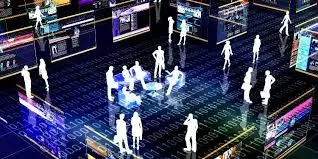
Data created from any touch, swipe, voice contact, and video could be used to create a digital replica made up of your memories and digital correspondence, resulting in digital immortality.
Protocol recently discovered a Microsoft patent that shows the company is looking at combining personal digital content like photos, voice info, social media updates, electronic communications, and machine learning to teach a chatbot to sound like a human. Can a digital twin unleash greater competitiveness after years of failing to achieve the elusive island of inbox zero?
The patent goes into territory once again by claiming that it doesn't matter whether the subject is alive or dead. The patent mentions the idea of consumers training a digital clone of themselves before passing.
Even at this early point, the idea of teaching a chatbot to perfect our style, diction, sound, expression, meaning, and continuity for a successful handover before we die sounds extremely sinister. The distinctions between our digital and physical realms are becoming increasingly blurred. Our digital twins are ready to boost our productivity, have a shoulder to sob on or lend a sympathetic ear when we need it most. Also, digital immortality is possible with virtual copies of ourselves.
As our data takes on a life of its own, the more pressing question is who will own this wealth of data in this life and the next. Let’s wait and watch!!!
;)