Comtech Systems

Ernakulam, Kerala
 Home
Home  About Comtech Systems
  service
  Make An Enquiry





Copyright © 2026 Citymapia.com. All Rights Reserved
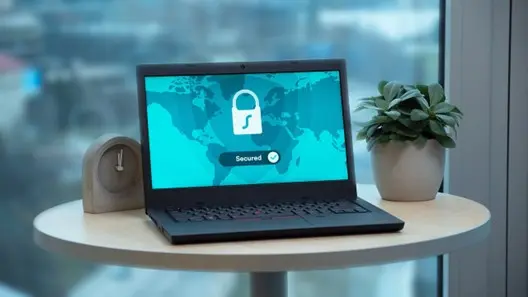
Debunking Cybersecurity Myths
Posted On Dec 26, 2024In the ever changing digital world, cybersecurity has emerged as a crucial aspect of contemporary living. However, misconceptions about cybersecurity frequently lead people and organizations astray, making them open to attacks. Building efficient defense mechanisms requires debunking these beliefs. Let's examine some of the most prevalent myths about cybersecurity and their underlying realities.
Myth1: Cybersecurity Is Only for Large Businesses
One of the most widespread beliefs is that small and medium-sized enterprises (SMEs) are not targeted by cybercriminals. Many assume that attackers focus solely on large corporations with extensive databases. However, this couldn’t be further from the truth. Cybercriminals often target smaller organizations precisely because they lack robust security measures. For instance, phishing attacks and ransomware campaigns frequently exploit SMEs, making it essential for businesses of all sizes to invest in cybersecurity.
Myth2: Strong Passwords Are Enough
Although it is a fundamental security measure, creating strong passwords is not infallible. Even the strongest passwords can be broken by methods like social engineering and credential stuffing. Multi-factor authentication (MFA) is crucial because it provides an additional degree of protection, guaranteeing that unwanted access is avoided even in the event that passwords are compromised.
Myth 3: Antivirus Software Alone Will Protect You
Even though antivirus software is essential, it is insufficient in the complicated threat landscape of today. Traditional antivirus programs are unable to stop sophisticated threats like polymorphic malware and zero-day exploits. Firewalls, intrusion detection systems, frequent software upgrades, and security awareness training are all essential components of a thorough cybersecurity plan.
Myth 4: Cybercriminals Only Target Tech-Savvy Individuals
Cyberattacks are not limited to tech-savvy users or large organizations. Cybercriminals often target individuals with low technical expertise, exploiting them through phishing emails, malicious links, and fake websites. It’s essential for everyone, regardless of technical knowledge, to practice good cybersecurity habits.
Myth 5: Public Wi-Fi Is Safe If You Don’t Enter Sensitive Information
The assumption that public Wi-Fi is safe as long as personal information is kept private is incorrect. Cybercriminals have the ability to intercept data transmitted via public networks that are not safeguarded. It is safer to utilize a Virtual Private Network (VPN) since it encrypts your data and protects your online activities.
Myth 6: Cybersecurity Is a Technical Issue Only
Human mistake is one of the main reasons for breaches, even while technical safeguards like firewalls and encryption are essential. The necessity of employee training and a robust cybersecurity awareness culture is underscored by phishing scams, weak passwords, and unintentional data sharing.
Myth 7: Cybersecurity Is Too Expensive for Individuals
Cybersecurity doesn’t have to be costly. Many effective measures, such as enabling MFA, using password managers, and regularly updating software, are either free or low-cost. Simple practices can provide substantial protection against cyber threats.
Myth 8: Data in the Cloud Is Not Secure
There’s a misconception that cloud storage is inherently unsafe. While misconfigured cloud settings can lead to breaches, reputable providers implement strong security protocols. Users must also secure their accounts with strong passwords, MFA, and regular access reviews to ensure safety.
Myth 9: All Cyberattacks Come from External Sources
Even though exterior threats are given a lot of attention, insider threats—whether intentional or unintentional—can be quite dangerous. Data breaches can be caused by employees with excessive access, irate coworkers, or simple mistakes. These dangers can be reduced by putting in place stringent monitoring and access control measures.
Myth 10: You’ll Know Immediately If You’re Hacked
Contrary to popular belief, cyberattacks are often stealthy. Hackers may linger in systems undetected for weeks or months. Regular monitoring, vulnerability assessments, and incident response plans are crucial for identifying and addressing breaches promptly.
Myth 11: Legacy Systems Are Harmless
Using outdated systems to save costs can create significant vulnerabilities. Legacy software often lacks modern security features, making it an easy target for attackers. Organizations must prioritize updates and timely upgrades to ensure security.
Myth 12: Cybersecurity Is About Preventing Hacks
Cybersecurity encompasses much more than preventing unauthorized access. It includes safeguarding data, ensuring regulatory compliance, and preparing for disaster recovery and business continuity. A holistic approach helps organizations address a wide range of potential threats.
Myth 13: Cybersecurity Is a One-Time Effort
Perhaps the most dangerous misconception is that cybersecurity is a one-and-done task. In reality, it’s an ongoing process requiring regular updates, risk assessments, and adaptation to new threats. Continuous vigilance and commitment are essential for maintaining strong defenses.
A Call to Action for Stronger Defenses
Building a secure digital future requires dispelling cybersecurity myths. By dispelling these widespread myths, we enable people and institutions to fortify their defenses and adopt all-encompassing, proactive security measures. Being aware and alert is essential to safeguarding sensitive information and maintaining online safety at a time when cyberthreats are ever-changing. Cybersecurity is a shared responsibility that necessitates constant work and attention; it is not merely a technological issue. We can improve the protection of our digital lives both now and in the future by embracing a practical, comprehensive approach to security. Additionally, encouraging a culture of cybersecurity knowledge at all societal levels guarantees that everyone contributes to the protection of private data.

;)