Comtech Systems

 Home
Home  About Comtech Systems
  service
 Make An Enquiry





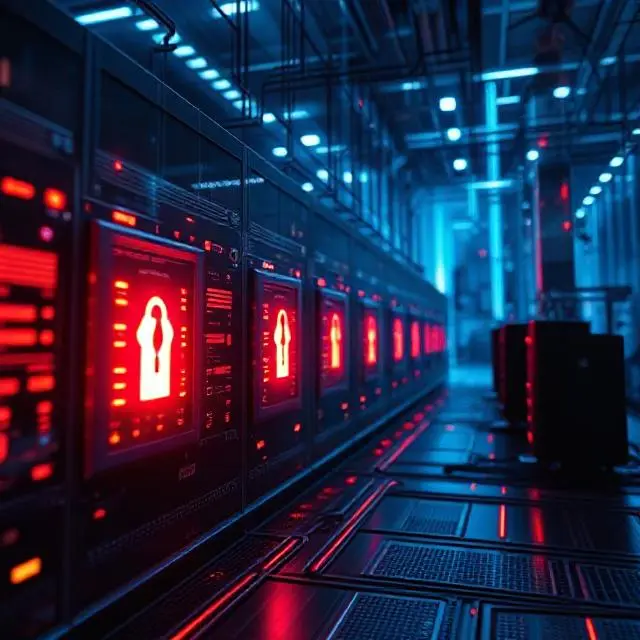
"Firewalls 2.0: Still Relevant in Today's Cyber Landscape?"
Posted On Mar 26, 2025As our dependence on digital technology deepens, so does the need for robust cybersecurity measures. At the forefront of these measures is an age-old security tool: the firewall. From its inception as a basic perimeter defense mechanism to its modern iterations equipped with AI and cloud capabilities, the firewall has undergone a significant evolution. In this blog, we’ll explore whether firewalls, in their "2.0" form, are still relevant today and how they fit into the ever-expanding landscape of cybersecurity.
1. Understanding the Firewall's Origins
and Evolution
The concept of the firewall was born in the late 1980s as a rudimentary
filtering tool to control network traffic based on predetermined rules. Over
time, it evolved to meet the growing sophistication of cyber threats:
Packet Filtering Firewalls: These early
firewalls were effective but limited, as they only inspected the header
information of packets.
Stateful Inspection Firewalls: Introduced in the
mid-1990s, these firewalls offered deeper analysis by examining the entire
packet and maintaining a table of active connections.
Next-Generation Firewalls (NGFWs): The current
standard, NGFWs integrate advanced technologies such as intrusion prevention
systems (IPS), application-level inspection, and user identity management.
2. What Makes Firewalls 2.0
"Next-Gen"?
Modern firewalls are far removed from their predecessors. Here’s what makes
them indispensable in today's cybersecurity strategies:
AI Integration: Firewalls now use
artificial intelligence to analyze patterns and identify anomalies in
real-time.
Cloud-Native Capabilities: As more
organizations migrate to hybrid or fully cloud-based infrastructures, firewalls
are adapting to secure virtual networks and cloud environments.
Threat Intelligence Feeds: Continuous updates
from global threat databases ensure that firewalls are equipped to combat the
latest malware, ransomware, and phishing attacks.
3. Firewalls as Part of a Multi-Layered
Security Approach
One of the key critiques of firewalls is that they cannot operate as a
standalone defense mechanism. However, their integration into a layered
security strategy enhances overall protection:
Zero Trust Architecture: Firewalls play a
crucial role in implementing Zero Trust policies by segmenting networks and
ensuring that every access request is verified.
Endpoint Security Synergy: When combined with
endpoint protection, firewalls can block threats both at the network and device
levels.
Network Access Control (NAC): Firewalls
complement NAC systems by monitoring and controlling device access to the
network.
4. Real-World Success Stories
Case Study 1: E-Commerce Platform A global
e-commerce giant implemented a cloud-native firewall solution to protect its
operations during a flash sale event. The firewall successfully mitigated
multiple DDoS attempts, ensuring uninterrupted service and preserving customer
trust.
Case Study 2: Remote Workforce Security
During the
pandemic, a healthcare organization used advanced firewalls to secure its
remote workforce. The solution provided VPN access, monitored suspicious
activities, and safeguarded sensitive patient data.
5. Challenges and Limitations of
Firewalls
Despite their advancements, firewalls face several challenges:
Encrypted Traffic: A significant
portion of internet traffic is now encrypted, making it harder for firewalls to
inspect and filter threats.
Complexity of Configuration: Misconfigured
firewalls can create vulnerabilities instead of securing networks.
Cost Implications: For smaller
businesses, the cost of implementing and maintaining advanced firewalls can be
prohibitive.
6. The Future of Firewalls
As cybersecurity threats continue to evolve, firewalls must innovate to
stay relevant:
Predictive Threat Modeling: Leveraging AI to
anticipate and neutralize potential threats before they materialize.
Adaptation for Quantum Computing: Preparing for the
era of quantum computing, which will bring both new opportunities and threats.
Deep Packet Inspection (DPI): Enhancing the
ability to examine encrypted traffic without compromising user privacy.
Conclusion
While cybercriminals are becoming more cunning, firewalls have proven their
resilience and adaptability. In their modern form, Firewalls 2.0 are not just
relevant but essential. They remain a cornerstone of cybersecurity, providing a
vital layer of defense in an increasingly digital world.




;)