Comtech Systems

Ernakulam, Kerala
 Home
Home  About Comtech Systems
  service
  Make An Enquiry





Copyright © 2026 Citymapia.com. All Rights Reserved
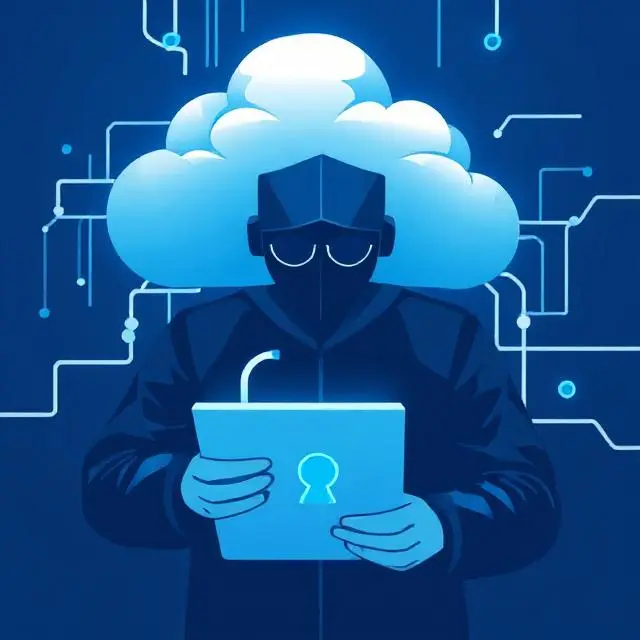
How to Secure Your Cloud Infrastructure
Posted On Mar 19, 2025As businesses migrate to the cloud for agility, scalability, and cost-efficiency, securing cloud infrastructure has become a critical priority. With cyber threats evolving rapidly, safeguarding sensitive data and maintaining compliance are essential to avoid disruptions and data breaches. This blog explores practical strategies, technologies, and best practices to secure your cloud infrastructure effectively.
1. Understanding Cloud Security Risks
Cloud infrastructure, while transformative, is not immune to threats. Key risks include:
Data Breaches: Unauthorized access to sensitive data due to vulnerabilities in security protocols.
Misconfigured Services: Human errors in configuring cloud settings can expose data.
Account Hijacking: Weak or compromised credentials are gateways for attackers.
Advanced Persistent Threats (APTs): Sophisticated attackers silently infiltrate and remain undetected.
Insider Threats: Employees with malicious intent or negligent behavior increase risks.
The dynamic nature of cloud environments makes identifying and mitigating these risks challenging.
2. Pillars of Cloud Security
To build a strong defense, focus on these essential pillars:
1. Identity and Access Management (IAM):
Use Role-Based Access Control (RBAC) to grant permissions based on roles.
Implement Multi-Factor Authentication (MFA) for added security.
2. Data Encryption:
Encrypt data both in transit and at rest to ensure it is secure even if intercepted.
Use advanced encryption algorithms and key management systems.
3. Network Security:
Employ Virtual Private Networks (VPNs) and firewalls to safeguard connections.
Use Intrusion Detection and Prevention Systems (IDPS) for real-time threat monitoring.
4. Monitoring and Logging:
Implement continuous monitoring for suspicious activities.
Leverage logs for audit trails and incident analysis.
5. Backup and Disaster Recovery:
Create regular backups to ensure data recovery during breaches or disasters.
Test your disaster recovery plans frequently.
3. Shared Responsibility Model
Cloud security follows the "shared responsibility model":
Cloud Service Provider (CSP): Responsible for the security of the cloud infrastructure (e.g., hardware, software, and networks).
Customer: Responsible for securing data, applications, and identity management within the cloud environment.
Understanding this model is vital for proper implementation of security controls.
4. Best Practices for Securing Cloud Infrastructure
Regular Security Audits: Identify vulnerabilities through continuous security assessments.
Automated Threat Detection: Use AI and machine learning to identify anomalies in user behavior and network activity.
Secure APIs: Monitor and secure APIs as they are critical to cloud operations.
Zero Trust Model: Assume that no device, user, or system is inherently trustworthy, and enforce strict access policies.
Patch Management: Regularly update all systems and applications to close known security gaps.
5. The Role of Emerging Technologies
Emerging technologies are reshaping cloud security:
AI and Machine Learning: Enhance threat detection by identifying unusual patterns and automating responses.
Blockchain: Provides immutable records for data integrity and secure transactions.
Quantum Cryptography: Protects data against future quantum computing threats.
6. Real-Life Incidents and Lessons
Capital One Data Breach (2019): A cloud misconfiguration exposed sensitive customer data, emphasizing the importance of vigilance in managing access controls.
Code Spaces Attack: The lack of backups led to the company's closure after an attack. Lesson: Always implement robust disaster recovery plans.
7. Regulatory Compliance
Adhere to regulations like:
GDPR and CCPA: For data protection.
ISO/IEC 27017: Guidelines for cloud-specific security measures.
SOC 2: For service provider security, availability, and confidentiality.
Being compliant not only avoids penalties but also enhances trust with stakeholders.
8. Future of Cloud Security
The future points toward proactive measures:
Zero Trust Architecture: A robust security framework for cloud environments.
SASE (Secure Access Service Edge): Unifies networking and security for seamless protection.
Decentralized Security Solutions: Leverage blockchain and edge computing for distributed security.
Conclusion
Securing cloud infrastructure is no longer an option but a necessity in today’s digital era. By understanding risks, adopting best practices, leveraging advanced technologies, and ensuring compliance, businesses can unlock the full potential of the cloud while keeping their data secure.







;)