Comtech Systems

 Home
Home  About Comtech Systems
  service
  Make An Enquiry





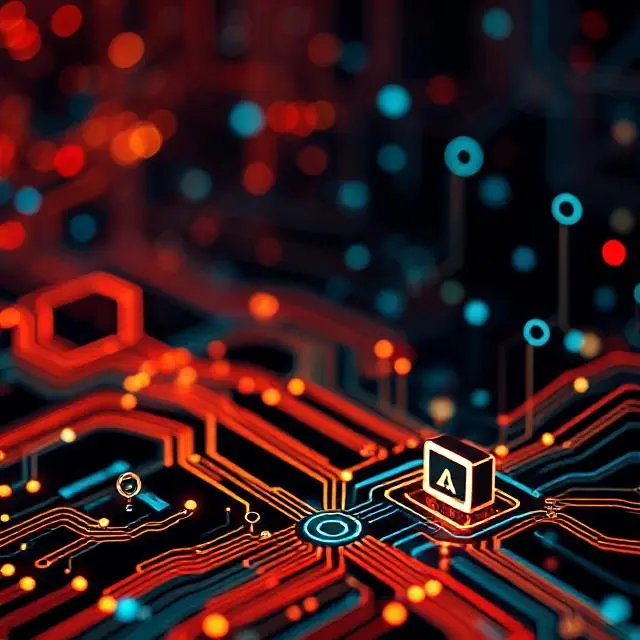
The Impact of IoT on Cybersecurity
Posted On Mar 18, 2025The Internet of Things (IoT) has revolutionized industries, homes, and cities by connecting billions of devices. While IoT has made life smarter and more efficient, it has also created new vulnerabilities in cybersecurity. Managing the risks of a connected world requires proactive measures and innovation.
IoT and the Connected World
IoT refers to a network of connected devices that communicate and exchange data. Examples include smart home systems, wearable fitness trackers, industrial IoT in manufacturing, and connected vehicles. The proliferation of IoT devices is expected to reach 30 billion by 2030, making it a cornerstone of digital transformation.
Cybersecurity Challenges in IoT
Increased Attack Surface:
Each IoT device acts as a potential entry point for hackers.
Vulnerabilities in one device can compromise an entire network.
Lack of Standardized Security:
IoT devices often lack robust security features.
Variations in manufacturers' protocols contribute to inconsistency.
Data Privacy Risks:
IoT collects sensitive user data, which, if breached, could lead to identity theft and financial fraud.
IoT Botnets:
Cybercriminals exploit IoT devices to create botnets for distributed denial-of-service (DDoS) attacks.
Notable Examples of IoT Cybersecurity Incidents
Mirai Botnet Attack (2016): IoT devices were hijacked to launch massive DDoS attacks, causing widespread internet disruptions.
Smart Home Hacks: Unauthorized access to smart cameras and voice assistants has raised serious privacy concerns.
Best Practices for IoT Cybersecurity
Device Authentication:
Use strong, unique passwords and update them regularly.
Implement two-factor authentication.
Regular Updates:
Ensure firmware and software are up to date with the latest security patches.
Network Segmentation:
Keep IoT devices on a separate network from critical systems.
Secure Data Transmission:
Employ encryption protocols to protect data in transit.
Limit Device Permissions:
Restrict unnecessary access to sensitive functions and data.
Emerging Technologies to Enhance IoT Security
Artificial Intelligence (AI):
AI-powered threat detection can analyze patterns to identify anomalies.
Blockchain Technology:
Decentralized networks enhance security and reduce single points of failure.
Zero Trust Architecture:
Assumes no device or user is trustworthy by default and enforces stringent verification.
The Role of Legislation and Standards
Governments and organizations are working toward regulations and standards to secure IoT:
GDPR and CCPA emphasize data protection and user rights.
The ISO/IEC 30141 standard provides a framework for IoT reference architecture.
Future Outlook
As IoT continues to grow, the need for robust security measures becomes even more critical. Collaboration between governments, businesses, and technology providers will be key to tackling future challenges.
Conclusion
The Internet of Things represents both a tremendous opportunity and a significant risk. By implementing best practices, leveraging emerging technologies, and adhering to regulatory standards, individuals and organizations can harness the benefits of IoT while safeguarding against cybersecurity threats.





;)