Comtech Systems

Ernakulam, Kerala
 Home
Home  About Comtech Systems
  service
  Make An Enquiry





Copyright © 2026 Citymapia.com. All Rights Reserved

The Importance of Employee Training in Cybersecurity
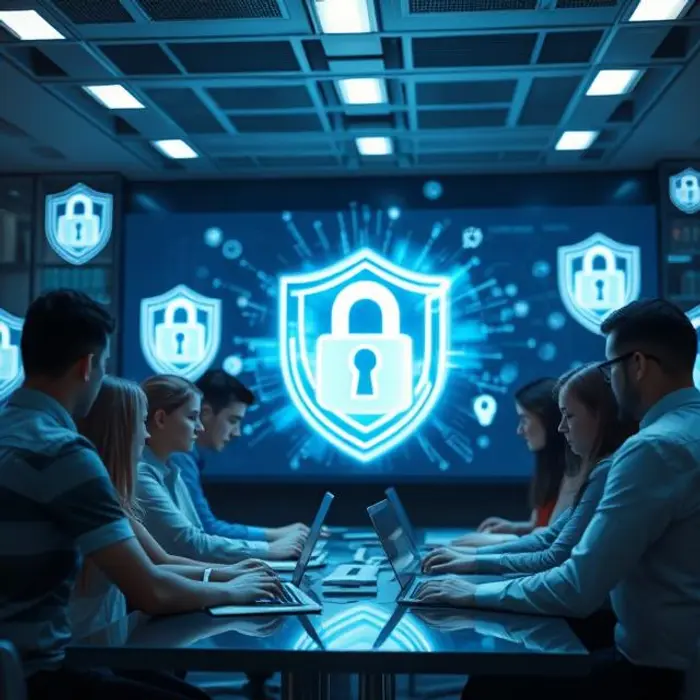
Posted On Mar 13, 2025In a digital-first world, cybersecurity is no longer just an IT concern; it's everyone’s responsibility. With the rising sophistication of cyber threats and the increasing value of data, organizations face a growing imperative to secure their digital assets. And one of the most effective ways to do this? Empower your team through robust employee training in cybersecurity.
1. Why is Cybersecurity Training Crucial for Your Team?
A Human Firewall: Employees are the first line of defense against cyber threats. Proper training ensures they understand their role in maintaining cybersecurity.
Minimizing Risk: Human error is often cited as the leading cause of data breaches. Training reduces accidental risks like clicking on phishing links or mishandling sensitive data.
Compliance with Regulations: Many industries require cybersecurity training to meet legal and regulatory standards.
2. Common Cyber Threats Employees Should Recognize
Training should focus on helping employees identify and prevent key cyber threats, including:
Phishing Attacks: Recognizing fraudulent emails or messages that trick users into revealing sensitive information.
Ransomware: Understanding how ransomware attacks work and how to avoid them.
Social Engineering: Spotting manipulative tactics designed to gain unauthorized access.
3. How to Implement an Effective Cybersecurity Training Program
An effective program is not one-size-fits-all. Tailor your training to your organization's unique needs with these tips:
Regular Training Sessions: Provide ongoing education rather than one-time workshops.
Interactive Modules: Use engaging formats like videos, quizzes, and simulations.
Role-Based Training: Offer specialized training for different departments, such as customer service, IT, or finance.
4. Leveraging Technology for Training
Tools and technologies can enhance the efficacy of training:
Simulated Cyberattacks: Run mock phishing campaigns to test and strengthen your team’s awareness.
Gamified Learning: Make learning fun and competitive with gamification techniques.
AI-Powered Tools: Utilize AI-driven tools to personalize training and identify knowledge gaps.
5. Measuring the Impact of Your Training Program
To ensure success, track the progress of your training initiatives:
Surveys & Feedback: Get direct input from employees on the program's effectiveness.
Pre- and Post-Training Tests: Measure knowledge retention and improvement.
Incident Reduction Metrics: Monitor whether cybersecurity incidents decrease over time.
Conclusion: Cybersecurity Starts with Your Team
Investing in employee training is investing in your organization’s future. By turning every team member into a vigilant participant in cybersecurity, you build a culture of security that protects your assets, reputation, and bottom line. Remember, technology may be your armor, but your people are your strongest defense.



;)