Comtech Systems

Ernakulam, Kerala
 Home
Home  About Comtech Systems
  service
  Make An Enquiry





Copyright © 2026 Citymapia.com. All Rights Reserved

Why 5G Security is Crucial for the Next Decade
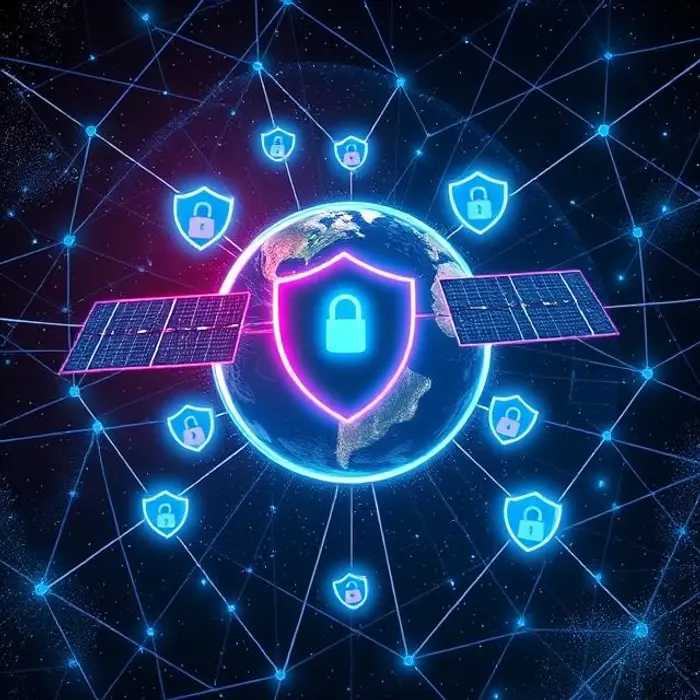
Posted On Jan 8, 2025The rapid evolution of mobile networks has brought us to the dawn of 5G, promising unprecedented speed, reliability, and connectivity. However, with this leap forward comes a pressing concern: security. As 5G reshapes industries and society, securing this technology is paramount. The stakes are higher than ever, as vulnerabilities in 5G networks could have far-reaching consequences for individuals, businesses, and governments. Let’s explore why 5G security is crucial for the next decade and how we can address the challenges it presents.
The 5G Revolution
5G technology is a game-changer, not only a slight enhancement over 4G technology. Advances in fields like telemedicine, smart cities, and autonomous vehicles are made possible by 5G's higher speeds, lower latency, and capacity to connect billions of devices at once. However, the attack surface is much larger as a result of this increased capabilities. There are more possible points of entry for cybercriminals when there are more devices linked to the network.
Another level of complexity is introduced by 5G networks' decentralized architecture. 5G employs software-defined networking (SDN) and virtualization to control traffic, in contrast to 4G, which mostly relied on centralized hardware. These technologies create new vulnerabilities even as they increase efficiency and flexibility. These flaws could be used by cybercriminals to interfere with services or steal private data.
Critical Infrastructure at Risk
One of the most compelling reasons to prioritize 5G security is its integration into critical infrastructure. From power grids to transportation systems, 5G will underpin essential services that societies rely on daily. A breach in these systems could lead to catastrophic consequences, such as widespread power outages, transportation gridlock, or even compromised emergency response systems.
For example, smart cities that rely on 5G for traffic management and public safety systems could become targets for hackers. A cyberattack on these networks could disrupt daily life, cause economic losses, and jeopardize public safety. Similarly, in the healthcare sector, 5G-enabled devices used in telemedicine and remote surgery must be safeguarded to ensure patient safety and data integrity.
The Internet of Things (IoT)
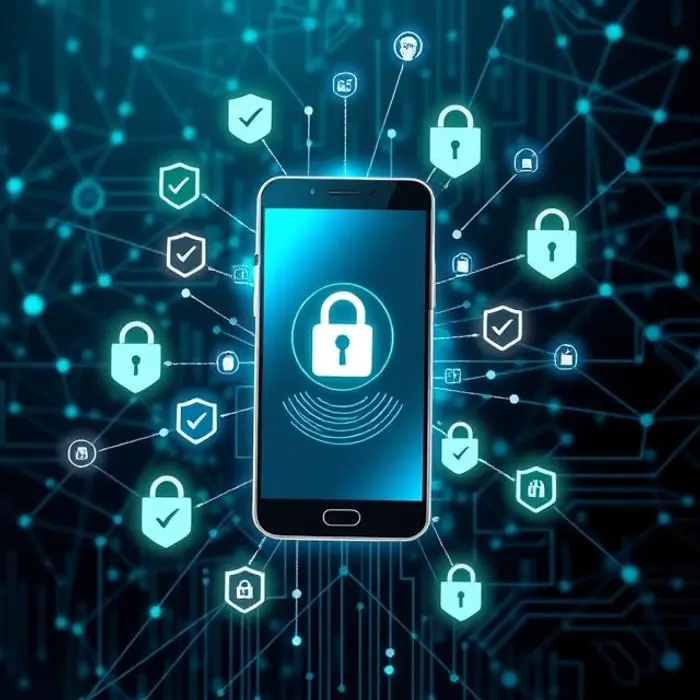
The significance of 5G security is increased by the growth of the Internet of Things (IoT). Because 5G can manage large device connectivity, IoT devices from industrial sensors to smart thermostats will flourish in this ecosystem. But because they frequently lack security safeguards, these gadgets are easy targets for hackers.
Hackers may use a compromised Internet of Things device as a point of entry into more extensive networks. For example, a 5G-enabled smart refrigerator might be used to obtain a homeowner's private information or even to attack other devices that are linked to it. Vulnerabilities in industrial IoT systems have the potential to compromise valuable trade secrets or interfere with production processes on a broader scale.
Challenges in 5G Security
Supply Chain Risks: Because 5G development is an international endeavor, components are acquired from a number of vendors throughout the globe. This makes it possible for compromised hardware or software to enter the network and cause supply chain vulnerabilities.
Legacy Infrastructure: There may be security flaws and compatibility problems when 5G is integrated with 4G and older networks. These flaws could be used by attackers to target less secure components.
Network Slicing: One of 5G's advantages and disadvantages is its capacity to split networks into "slices" that are suited for particular uses. Depending on how security measures are put in place, a breach in one slice may have an effect on others.
Advanced Threats: Cybercriminals' strategies are evolving along with 5G technology. The threat landscape is become increasingly complicated, ranging from sophisticated phishing attempts to nation-state-sponsored cyberespionage.
The Role of Governments and Industry
Given the critical importance of 5G security, governments and private industries must collaborate to develop and enforce robust security standards. Policies should mandate rigorous testing of 5G components for vulnerabilities and require manufacturers to adopt secure-by-design principles.
Telecom providers have a significant role to play. They must implement end-to-end encryption, robust authentication mechanisms, and real-time threat monitoring to safeguard their networks. Additionally, educating consumers and businesses about the importance of securing their devices is essential to creating a more resilient ecosystem.
International cooperation is also vital. Cyber threats do not respect borders, and a coordinated global approach is necessary to tackle challenges like supply chain security and cross-border data sharing. Organizations such as the International Telecommunication Union (ITU) can play a pivotal role in fostering collaboration and establishing universal security protocols.
Emerging Solutions and Innovations
Artificial Intelligence (AI): AI-enabled systems are able to instantly scan enormous volumes of network data and spot irregularities that might point to a cyberattack. By being proactive, risks can be lessened before they have a chance to do serious harm.
Blockchain Technology: Blockchain is a promising technology for 5G network security due to its decentralized and impenetrable nature. By lowering the possibility of compromised components, it helps improve supply chain processes' transparency and confidence.
Zero Trust Architecture: 5G security can be greatly improved by using a zero trust model, which holds that no person or device is inherently trustworthy. A key component of this strategy is the ongoing verification of all organizations gaining access to the network.
What’s at Stake for the Next Decade?
The next decade will see 5G becoming deeply embedded in every aspect of our lives. From self-driving cars to remote work, the possibilities are endless. However, these advancements come with increased risks. Failing to secure 5G networks could result in:
- Economic Losses: Cyberattacks could disrupt businesses, leading to significant financial damage.
- Privacy Violations: Unauthorized access to personal data could compromise individuals’ privacy and security.
- National Security Threats: Weak 5G security could expose countries to cyberespionage and sabotage, undermining their sovereignty.
Steps to Ensure a Secure Future
· Invest in Research: Governments and private sectors must invest in cutting-edge cybersecurity research to stay ahead of emerging threats.
· Strengthen Regulations: Implementing stringent security standards and holding companies accountable for non-compliance is critical.
· Promote Education: Raising awareness about 5G security among users, developers, and policymakers is essential.
· Encourage Collaboration: Fostering partnerships between industries, governments, and academia can drive innovation and establish best practices.




;)