Enfield Royal Clinic Oman

 Home
Home  About Enfield Royal Clinic Oman
  Treatments
  Make An Enquiry





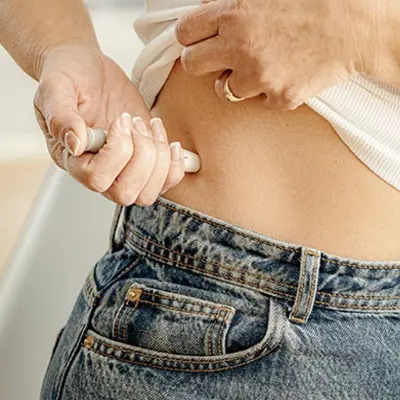
Are Fat Melting Injections Approved by Health Authorities?
Posted On Oct 1, 2025Fat melting injections target stubborn fat safely and effectively, offering a non-surgical solution for body contouring.
Fat melting injections have gained popularity as a non-surgical solution for reducing localized fat deposits. However, many individuals seeking these treatments wonder about their safety and regulatory status, particularly in Oman. This article delves into the approval status of best fat melting injections in Oman(حقن إذابة الدهون في عُمان), focusing on their regulatory standing in Oman and the broader Middle Eastern context.
What Are Fat Melting Injections?
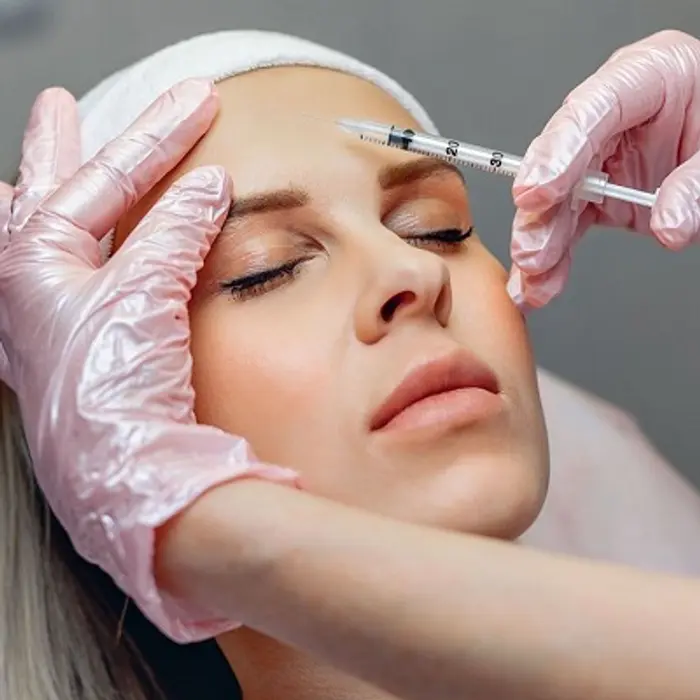
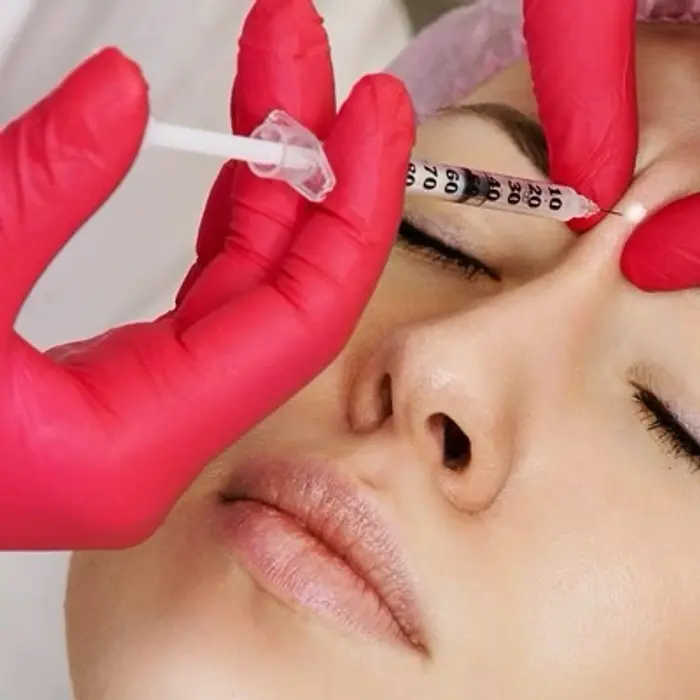
Fat melting injections, also known as lipolytic injections or injection lipolysis, involve the administration of substances like deoxycholic acid into targeted areas of the body to break down and eliminate fat cells. These injections are commonly used to reduce stubborn fat pockets in areas such as the abdomen, thighs, and under the chin.
The active ingredient in many of these injections is deoxycholic acid, a naturally occurring bile acid that aids in the breakdown and absorption of dietary fat. When injected into localized fat deposits, deoxycholic acid disrupts the fat cell membranes, leading to the gradual elimination of fat from the body.
Regulatory Status in Oman
In Oman, the Ministry of Health (MOH) oversees the regulation and approval of medical treatments and procedures. While fat melting injections are not explicitly listed in the Omani National Formulary, which contains detailed and updated monographs of all drugs approved by the Central Drug Committee for use in Ministry of Health facilities, this does not necessarily imply that these treatments are prohibited.
Healthcare practitioners in Oman must obtain the appropriate licenses to administer fat melting injections. The Ministry of Health ensures that only qualified individuals perform these procedures, requiring practitioners to possess a medical degree, complete relevant training, and obtain the necessary certifications.
International Approvals and Considerations
Internationally, fat melting injections have received varying degrees of approval:
United States: The U.S. Food and Drug Administration (FDA) has approved Kybella, an injectable form of deoxycholic acid, for the treatment of moderate to severe fat below the chin in adults. The FDA has evaluated this drug for quality, safety, and effectiveness, specifically for use under the chin. It is not approved for use in other areas of the body
Europe: In Europe, Aqualyx, another form of injectable fat-dissolving treatment, has been approved for use in several countries. It is commonly used for body contouring procedures, including the reduction of localized fat deposits.
While these international approvals provide some insight into the safety and efficacy of fat melting injections, it is essential to note that approval standards and regulations vary by country. Therefore, the approval status in Oman may differ from that in other regions.
Safety and Efficacy
The safety and efficacy of fat melting injections depend on various factors, including the specific product used, the area treated, and the qualifications of the administering practitioner. When performed by trained professionals in a controlled environment, fat melting injections are generally considered safe. However, potential side effects can include swelling, bruising, redness, and temporary numbness at the injection site.
It is crucial for individuals considering fat melting injections to consult with qualified healthcare providers to assess their suitability for the procedure and to discuss potential risks and benefits.
Conclusion
Fat melting injections are gaining popularity as a non-surgical method for reducing localized fat deposits. In Oman, while these treatments are not explicitly listed in the Omani National Formulary, they are not necessarily prohibited. Healthcare practitioners must obtain the appropriate licenses and certifications to administer these procedures, ensuring that they meet the necessary standards for safety and efficacy.
Individuals interested in fat melting injections should seek consultations with qualified healthcare providers to understand the regulatory status, potential risks, and benefits associated with these treatments in Oman.
FAQs
1. Are fat melting injections approved by health authorities in Oman?
While not explicitly listed in the Omani National Formulary, fat melting injections are not prohibited. Healthcare practitioners must obtain the necessary licenses and certifications to administer these treatments.
2. What is the active ingredient in most fat melting injections?
The active ingredient is often deoxycholic acid, a naturally occurring bile acid that aids in the breakdown and absorption of dietary fat.
3. Are fat melting injections safe?
When administered by trained professionals in a controlled environment, fat melting injections are generally considered safe. Potential side effects can include swelling, bruising, and temporary numbness.
4. How long does it take to see results from fat melting injections?
Results vary depending on the individual and the area treated. Some individuals may begin to see noticeable changes within a few weeks, with optimal results appearing after several months.
5. Can fat melting injections be used for areas other than under the chin?
While FDA-approved for use under the chin, the use of fat melting injections in other areas should be discussed with a qualified healthcare provider to assess suitability and safety.
6. How can I find a qualified practitioner in Oman?
Seek recommendations from trusted sources, verify the practitioner's credentials, and ensure they have experience with fat melting injections. A reputable practitioner will provide a thorough consultation and discuss potential risks and benefits.



;)