Enfield Royal Clinic Oman

 Home
Home  About Enfield Royal Clinic Oman
  Treatments
  Make An Enquiry





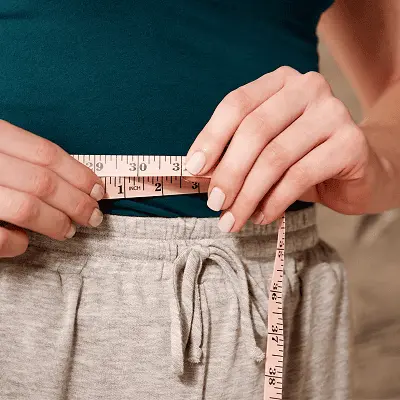
Does Laser Liposuction Leave Scars? Here's What to Expect
Posted On Jul 22, 2026Discover laser liposuction for precise fat reduction, improved body contours, and a smoother appearance with a minimally invasive cosmetic treatment.
Laser liposuction has become an increasingly popular option for people who want to reduce stubborn pockets of fat and achieve a more defined body shape. Unlike traditional liposuction, this technique uses laser energy to assist with fat removal and may also provide some skin-tightening benefits. Because the procedure involves small incisions, many people considering Laser Liposuction in Muscat naturally wonder whether it will leave visible scars.
The short answer is that laser liposuction can leave small marks at the incision sites, but these are generally much smaller and less noticeable than the scars associated with larger surgical procedures. How visible they become depends on several factors, including the size and location of the incisions, the individual's skin type, healing process, aftercare routine, and the technique used during treatment.
Understanding what to expect before undergoing the procedure can help individuals make informed decisions and approach recovery with realistic expectations. While no surgical procedure can guarantee a completely scar-free result, proper care and professional guidance can help minimize the appearance of incision marks over time.
What Is Laser Liposuction?
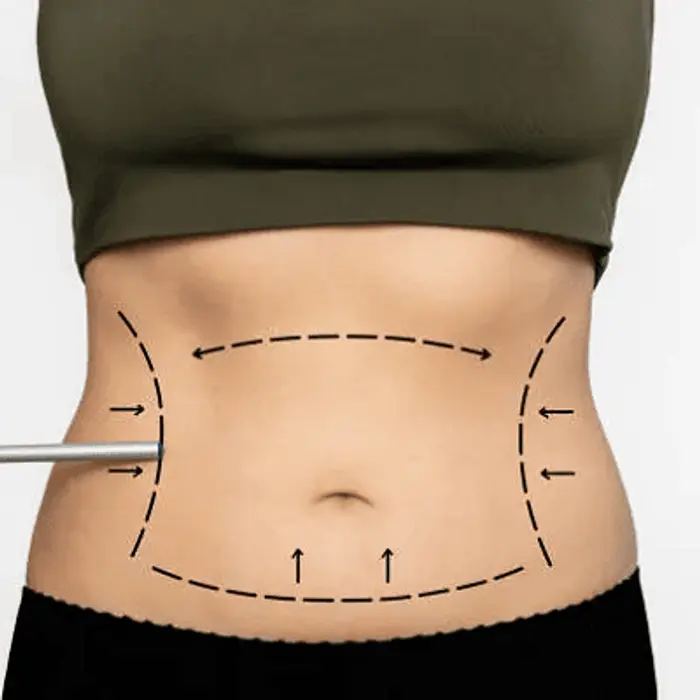
Laser liposuction is a minimally invasive body-contouring procedure that combines liposuction with laser technology. During treatment, a thin laser fiber is inserted through a small incision in the targeted area. The laser energy is used to heat and liquefy fat cells, which can then be removed through a suction technique.
The heat generated by the laser may also stimulate collagen production in the skin. Collagen is a structural protein that contributes to skin firmness and elasticity. For this reason, laser-assisted liposuction is sometimes considered by people who want both fat reduction and a degree of skin tightening.
The procedure may be used to address localized fat deposits in areas such as the abdomen, waist, thighs, arms, chin, or other parts of the body, depending on individual suitability.
One of the main attractions of Laser Liposuction in Muscat is the minimally invasive nature of the technique. The small instruments used during the procedure typically require only tiny entry points rather than the larger incisions associated with some traditional surgical procedures.
Does Laser Liposuction Leave Scars?
Yes, laser liposuction can leave small scars because the procedure requires tiny incisions for the laser fiber and, in some cases, the suction cannula. However, these marks are usually significantly smaller than the scars created by more extensive surgical procedures.
Initially, the incision sites may appear red, pink, or slightly darker than the surrounding skin. There may also be mild swelling, bruising, or tenderness during the early stages of recovery. As the skin heals, these marks generally become flatter and less noticeable.
The final appearance of a scar can vary from one individual to another. Some people naturally heal with very faint marks, while others may develop more noticeable pigmentation or raised scars. People with a personal or family history of abnormal scarring may have a higher risk of developing hypertrophic or keloid scars.
The location of the incision can also influence how visible the scar becomes. When possible, treatment providers may place small entry points in discreet areas or natural skin creases. Once healed, these tiny marks may be difficult to notice, particularly when viewed from a normal distance.
What Do Laser Liposuction Scars Look Like During Recovery?
Scar development is a gradual process, and the appearance of an incision can change considerably over several months. Understanding the different stages can help individuals avoid unnecessary concern during recovery.
The First Few Days
Immediately after laser liposuction, the incision sites may look slightly red or swollen. Small scabs may form as the skin begins to close and heal. Bruising around the treated area is also possible.
At this stage, the marks may look more noticeable than they eventually will. The skin is still undergoing the normal inflammatory phase of healing, so early appearance does not necessarily reflect the final result.
The First Few Weeks
As healing progresses, swelling and bruising generally begin to decrease. The incision marks may remain pink, red, or darker than the surrounding skin, depending on the individual's skin tone and healing response.
It is important not to pick at scabs or irritate the healing skin. Following aftercare instructions can support proper wound healing and reduce the risk of complications that could make scars more noticeable.
Several Months Later
Over time, scars typically mature and gradually become softer, flatter, and lighter. This process can take several months, and in some cases, scars may continue changing for a year or longer.
The final appearance of a scar is influenced by genetics, skin type, sun exposure, wound care, and the individual's overall healing response. Patience is therefore important when evaluating the cosmetic appearance of the incision sites.
What Factors Affect Scar Visibility?
Several factors can determine how noticeable scars are after laser liposuction. Understanding these factors may help individuals set realistic expectations when considering Laser Liposuction in Muscat.
Incision size and placement: Smaller incisions generally result in smaller scars. Placement in less visible areas or natural creases may also make scars harder to notice.
Individual healing: Every person's skin heals differently. Some individuals naturally develop very fine scars, while others may experience more pronounced pigmentation or scar tissue.
Skin type and pigmentation: People with certain skin tones may experience temporary or persistent changes in pigmentation after an injury to the skin. This can make an incision mark appear darker or lighter than the surrounding area.
Sun exposure: Ultraviolet exposure can cause healing scars to become darker and more noticeable. Protecting healing skin from excessive sun exposure is therefore an important part of scar care.
Aftercare: Keeping the incision sites clean and following post-procedure instructions can support healthy healing. Individuals should use only recommended scar treatments or topical products rather than applying unapproved substances to healing wounds.
Smoking: Smoking can interfere with circulation and tissue repair, potentially slowing the healing process. Individuals who smoke may be advised to stop before and after the procedure based on professional guidance.
Scar history: A history of keloids or unusually thick scars may increase the likelihood of a more visible scar. This should be discussed during the consultation.
How Can the Appearance of Scars Be Minimized?
Although scars cannot always be prevented completely, several measures may help reduce their visibility.
The first step is choosing an appropriately qualified and experienced medical professional. Proper technique, careful incision placement, and appropriate wound management can all contribute to better healing.
After the procedure, individuals should follow their aftercare instructions closely. The incision sites should be kept clean and protected as recommended. Excessive friction, scratching, or picking should be avoided.
Once the incisions have fully closed, a healthcare professional may recommend specific scar-care products, such as silicone-based sheets or gels, when appropriate. These products may help improve the appearance of some scars over time, but they should not be applied to open or unhealed wounds unless specifically advised.
Sun protection is also important. Healing scars can be more sensitive to ultraviolet radiation, which may increase pigmentation. Once the skin has healed sufficiently, appropriate sun protection can help reduce this risk.
It is also important to maintain realistic expectations. Scar care can improve the appearance of a scar, but it cannot always make it disappear entirely.
Is Laser Liposuction Right for Everyone?
Laser liposuction is not automatically suitable for every person who wants to lose body fat. It is generally intended for localized fat reduction and body contouring rather than overall weight loss.
A consultation is an important part of the process. During an assessment, a qualified healthcare professional can evaluate the individual's health, skin elasticity, body composition, treatment goals, and expectations. This helps determine whether laser-assisted liposuction is appropriate or whether another approach may be more suitable.
Individuals should also understand that results can vary. Laser liposuction may improve body contours, but it does not prevent future weight gain. Maintaining a stable weight through balanced nutrition and regular physical activity can help support long-term results.
For those researching Laser Liposuction in Muscat, it is helpful to focus not only on potential cosmetic benefits but also on the procedure's risks, recovery requirements, expected results, and possible alternatives. A thorough consultation can provide personalized information based on individual circumstances.
What Should Someone Expect After Laser Liposuction?
Recovery following laser liposuction varies depending on the treated area and the extent of the procedure. Many individuals experience temporary swelling, bruising, tenderness, or numbness in the treated region.
Compression garments may be recommended in some cases to support the treated area and help manage swelling. The duration of use depends on the individual's procedure and professional recommendations.
Light daily activities may be possible relatively soon for some people, while more strenuous exercise may need to be postponed until the body has had adequate time to heal. Following personalized recovery instructions is important for minimizing complications and supporting the best possible outcome.
The final body-contouring results may not be immediately visible. Swelling can temporarily obscure the changes, and the body may continue adjusting over the following weeks or months. Similarly, scars require time to mature and fade.
Individuals should contact their healthcare provider if they experience unusual symptoms such as worsening pain, significant redness, excessive swelling, drainage, fever, or other signs of possible complications.
Final Thoughts on Laser Liposuction Scarring
Laser liposuction generally involves small incisions, which means any resulting scars are typically small as well. However, the possibility of scarring cannot be eliminated completely. The final appearance depends on factors such as incision placement, healing ability, skin characteristics, aftercare, and individual genetics.
For people considering Laser Liposuction in Muscat, understanding the procedure and recovery process can help create realistic expectations. A qualified healthcare professional can explain where incisions are likely to be made, how the skin may heal, and what scar-care measures may be appropriate.
Ultimately, the goal is not necessarily to achieve absolutely scar-free skin, but to minimize visible marks while achieving safe and natural-looking body-contouring results. With proper technique, appropriate aftercare, and patience during the healing process, many people find that incision marks become increasingly subtle over time.
FAQs
1. Does laser liposuction leave permanent scars?
Laser liposuction can leave small permanent marks at the incision sites, but they often become much less noticeable as they mature. In many cases, the scars are small and may be difficult to see once fully healed. Individual healing characteristics can affect the final appearance.
2. Are laser liposuction scars smaller than traditional liposuction scars?
Laser liposuction typically uses small access points for the laser fiber and suction equipment. As a result, the resulting scars may be smaller than those associated with procedures requiring larger surgical incisions. However, the exact size and appearance depend on the technique and treatment area.
3. How long does it take for laser liposuction scars to fade?
Scars can take several months to mature and may continue to change for a year or longer. They often become flatter and lighter gradually. The timeline varies according to skin type, genetics, incision location, and aftercare.
4. Can laser liposuction scars be completely removed?
No scar treatment can guarantee complete removal of a scar. However, appropriate wound care and professionally recommended scar-management options may help reduce the visibility of some scars. If a scar becomes unusually raised, thick, or discolored, a healthcare professional can discuss suitable treatment options.
5. Does laser liposuction hurt?
The level of discomfort varies depending on the individual, the treatment area, and the type of anesthesia or numbing method used. Some people may experience soreness, tenderness, or sensitivity during recovery. A healthcare professional can explain what discomfort to expect and how it may be managed.
6. How can someone reduce the risk of noticeable scars after laser liposuction?
Following professional aftercare instructions is one of the most important steps. Individuals should avoid picking at healing skin, protect healed incision areas from excessive sun exposure, avoid smoking when advised, and use scar-care products only as recommended by a healthcare professional.
Read More About Laser Liposuction: https://666972af349f3.site123.me/blog/laser-liposuction-what-is-it-and-how-does-it-work



;)