Enfield Royal Clinic Oman

 Home
Home  About Enfield Royal Clinic Oman
  Treatments
  Make An Enquiry





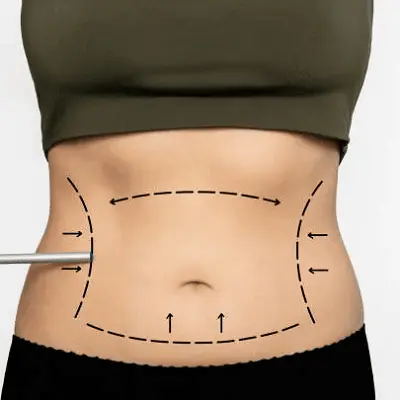
How Long Do Laser Liposuction Results Last?
Posted On Jul 22, 2026Discover laser liposuction for precise fat reduction, improved body contours, and a smoother appearance with a minimally invasive cosmetic treatment.
Laser Liposuction is a popular body-contouring treatment for people who want to reduce stubborn pockets of fat and achieve a more sculpted appearance. Unlike traditional weight-loss methods, this minimally invasive procedure is designed to target localized fat deposits that may not respond easily to diet and exercise.
One of the most common questions people ask before considering treatment is: How long do Laser Liposuction results last? The answer depends on several factors, including lifestyle habits, natural aging, weight stability, skin elasticity, and how well the body responds to the procedure.
In general, the fat cells treated and removed during Laser Liposuction are permanently eliminated. However, the remaining fat cells can still increase in size if a person gains weight. This means the results can be long-lasting, but maintaining them requires healthy habits and realistic expectations.
Understanding how the treatment works, what affects its longevity, and how to protect the results can help individuals make informed decisions about whether Laser Liposuction is suitable for their body-contouring goals.
How Does Laser Liposuction Work?
Laser Liposuction combines fat removal with laser energy to improve body contouring. During the procedure, a small laser device is typically used to deliver controlled energy to targeted areas of the body. The laser energy helps break down fat cells, making them easier to remove.
Depending on the specific treatment approach, the laser may also provide a skin-tightening effect by stimulating collagen production. Collagen is a structural protein that helps maintain the skin's firmness and elasticity. This additional effect is one reason why some people consider Laser Liposuction when they are concerned about both unwanted fat and mild skin laxity.
The procedure is generally used for localized areas where fat tends to accumulate. Common treatment areas may include the abdomen, waist, thighs, arms, back, chin, and other areas where stubborn fat deposits are present.
It is important to understand that Laser Liposuction is a body-contouring treatment rather than a weight-loss solution. It is usually more appropriate for individuals who are relatively close to their desired weight but have specific areas of fat that remain resistant to conventional efforts.
The final outcome does not appear immediately. Swelling and fluid retention can temporarily affect the treated area's appearance. As the body heals and the swelling gradually decreases, the contours become more noticeable.
How Long Do Laser Liposuction Results Usually Last?
Laser Liposuction results can be long-lasting, and the fat cells removed during treatment do not typically grow back. Once those particular fat cells have been eliminated, they are generally gone permanently.
However, this does not mean that the body can never store fat again. The human body naturally contains fat cells throughout different areas. If a person gains a significant amount of weight after treatment, the remaining fat cells can enlarge. This may change the overall body shape and reduce the definition achieved through the procedure.
For this reason, the longevity of Laser Liposuction results is strongly connected to weight management. A person who maintains a stable weight and follows a balanced lifestyle may enjoy the benefits of treatment for many years.
The procedure can create a lasting improvement in body contours, but it does not stop the natural aging process. Over time, changes in skin elasticity, hormones, muscle mass, and body composition may influence the appearance of the treated area.
In simple terms, Laser Liposuction can permanently remove targeted fat cells, but long-term results depend on maintaining a relatively stable weight and taking care of overall health.
What Factors Can Affect the Longevity of Laser Liposuction Results?
Several factors can influence how long the results remain noticeable. Understanding these factors can help individuals develop realistic expectations before undergoing treatment.
Weight Changes
Weight fluctuation is one of the most important factors affecting long-term results. Significant weight gain can cause the remaining fat cells to become larger. Although the treated area may still look improved compared with its original appearance, substantial weight gain can reduce the definition achieved through Laser Liposuction.
Maintaining a stable weight is therefore one of the best ways to preserve body-contouring results.
Diet and Nutrition
A balanced diet can support long-term weight management. Regular consumption of nutrient-rich foods, including vegetables, fruits, lean proteins, whole grains, and healthy fats, can help maintain a healthy body composition.
There is no special diet that guarantees permanent Laser Liposuction results. Instead, consistent, sustainable eating habits are generally more helpful than restrictive short-term diets.
Physical Activity
Exercise can play an important role in maintaining body contours. Once the body has fully recovered and activity has been approved by a qualified healthcare professional, regular movement can help support muscle tone and prevent unwanted weight gain.
A combination of cardiovascular activity and strength training may be beneficial for maintaining an overall balanced physique.
Age and Skin Elasticity
The skin naturally changes with age. Collagen and elastin production may decline over time, which can gradually affect firmness and elasticity.
Laser energy may provide some skin-tightening benefits, but it cannot completely prevent age-related changes. The final long-term appearance can therefore vary depending on the individual's age, skin quality, genetics, and lifestyle.
Hormonal and Metabolic Changes
Hormonal changes can influence body weight and fat distribution. Pregnancy, menopause, certain medical conditions, and other metabolic changes may affect how and where the body stores fat.
These factors can influence the appearance of Laser Liposuction results over time, even when the procedure itself has been successful.
When Will the Final Laser Liposuction Results Be Visible?
The timeline for seeing results varies from person to person. Some individuals may notice an initial improvement relatively soon after treatment, but swelling can make it difficult to judge the final outcome during the early recovery period.
As healing progresses, swelling generally decreases and the treated area begins to look more defined. The final results may become clearer over the following weeks or months, depending on the amount of fat treated, the individual's healing process, and the treatment area.
Patience is important during recovery. The body needs time to adjust after the procedure, and the skin may also need time to settle into its new contours.
Following post-treatment instructions carefully can support a smoother recovery. This may include recommendations related to activity levels, compression garments, wound care, and follow-up appointments.
Individuals should also remember that the final result is not necessarily determined by the appearance immediately after treatment. Early swelling or temporary unevenness may improve as healing continues.
How Can Someone Maintain Laser Liposuction Results?
Maintaining Laser Liposuction results does not require extreme measures. A consistent and balanced lifestyle can go a long way toward protecting the improvements achieved through treatment.
A healthy maintenance plan may include:
Eating a balanced diet with appropriate portions
Staying physically active on a regular basis
Including strength exercises to support muscle tone
Drinking enough fluids
Getting adequate sleep
Managing stress in healthy ways
Avoiding frequent cycles of extreme dieting and weight regain
Monitoring significant changes in body weight
It is also helpful to remember that Laser Liposuction should not replace healthy habits. The treatment can remove targeted fat, but it does not prevent future weight gain.
People who are considering treatment may benefit from discussing their goals, medical history, skin condition, and expectations with a qualified healthcare professional. A professional assessment can help determine whether Laser Liposuction is an appropriate option and what type of results may realistically be expected.
Is Laser Liposuction a Permanent Solution?
Laser Liposuction can offer a permanent reduction in the number of fat cells in the treated area. However, calling the results "permanent" requires some context.
The specific fat cells removed during the procedure generally do not return. However, other fat cells elsewhere in the body remain. If a person experiences significant weight gain, those remaining cells can expand and alter body proportions.
In addition, the body continues to age naturally. Skin may become less firm, muscle mass may change, and hormonal shifts may affect body composition.
Therefore, Laser Liposuction is best viewed as a long-term body-contouring solution rather than a permanent guarantee of a particular body shape.
When weight remains relatively stable and healthy lifestyle habits are maintained, many individuals can enjoy their improved contours for a long time. The key is to understand that the procedure works alongside healthy living rather than replacing it.
Frequently Asked Questions About Laser Liposuction
1. Does Laser Liposuction remove fat permanently?
Laser Liposuction permanently removes the targeted fat cells treated during the procedure. However, the remaining fat cells can become larger if a person gains significant weight. Maintaining a stable weight can help preserve the results.
2. Can fat come back after Laser Liposuction?
The same fat cells that were removed do not typically grow back. However, new fat accumulation can occur because the body still has fat cells in other areas. Significant weight gain may therefore affect the overall body contour.
3. How long does it take to see Laser Liposuction results?
Some improvement may be noticeable during the early recovery period, but swelling can temporarily hide the final outcome. Results generally become more apparent as the body heals and swelling decreases over the following weeks or months.
4. Does Laser Liposuction help tighten loose skin?
Laser energy may encourage collagen production and can provide some degree of skin tightening in suitable individuals. However, the extent of tightening varies based on factors such as skin elasticity, age, genetics, and the amount of excess skin present. Laser Liposuction is not a substitute for surgery designed specifically to remove significant excess skin.
5. Can exercise improve Laser Liposuction results?
Yes. Once recovery is complete and physical activity is medically cleared, regular exercise can help maintain a healthy weight and support muscle tone. Exercise cannot prevent all age-related changes, but it can contribute to a healthier and more defined overall appearance.
6. Is Laser Liposuction suitable for weight loss?
Laser Liposuction is generally intended for body contouring rather than significant weight loss. It is usually considered for localized areas of stubborn fat in people who are relatively close to their desired weight. A healthcare professional can help determine whether the treatment is appropriate based on individual circumstances.
Final Thoughts
Laser Liposuction can provide long-lasting improvements by permanently removing targeted fat cells and, in some cases, supporting a firmer-looking appearance through the effects of laser energy. However, the longevity of the results depends heavily on what happens after treatment.
Maintaining a stable weight, following a balanced diet, staying physically active, and adopting sustainable health habits can help protect the body's new contours for years to come. At the same time, natural aging and changes in body composition should be considered when setting expectations.
For anyone considering Laser Liposuction, understanding the procedure's benefits and limitations is an important part of making an informed decision. A consultation with a qualified healthcare professional can help determine whether the treatment matches the individual's goals, health needs, and expectations.
Ultimately, Laser Liposuction can be a useful option for targeted body contouring, but its best long-term results are achieved when the procedure is combined with realistic expectations and a healthy lifestyle.
Read More About Laser Liposuction: https://666972af349f3.site123.me/blog/what-type-of-laser-is-used-for-laser-hair-removal






;)