Enfield Royal Clinic Oman

 Home
Home  About Enfield Royal Clinic Oman
  Treatments
  Make An Enquiry





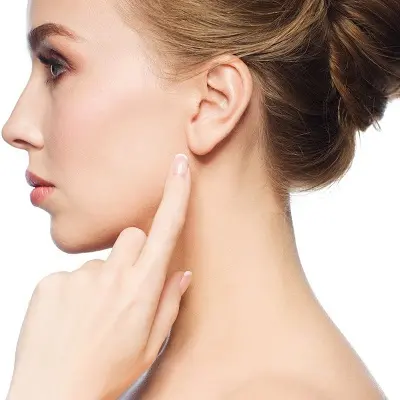
Available Options for Small Ears Ear Reshaping
Posted On Mar 24, 2026Explore ear reshaping (otoplasty) procedures to enhance the appearance of your ears. Learn about techniques, recovery, and results for a confident look.
Having small or asymmetrical ears can affect both appearance and confidence. Many individuals feel self-conscious about the size or shape of their ears, which has made ear reshaping a sought-after cosmetic solution. For those considering Ear Reshaping in Oman, understanding the available options, techniques, and outcomes is crucial before making a decision. This article provides a detailed, friendly, and expert overview of ear reshaping for small ears, highlighting options, recovery, and frequently asked questions.
Understanding Small Ears and Ear Reshaping
Small ears, medically referred to as microtia in severe cases, can vary in shape, size, and symmetry. While some individuals have naturally smaller ears, others may experience underdeveloped ears due to congenital factors or trauma. Ear reshaping is a surgical or minimally invasive procedure designed to enhance the appearance of the ears, bringing them into proportion with the face.
For individuals with small ears, reshaping procedures can increase size, improve symmetry, or refine contours. The goal is always a natural appearance that harmonizes with other facial features, rather than making the ears appear overly large or artificial.
Surgical Options for Small Ears
Several surgical techniques exist for addressing small ears, and the choice depends on the individual’s anatomy and aesthetic goals.
1. Cartilage Grafting
Cartilage grafting is a common technique for enlarging or reshaping small ears. It involves taking cartilage, usually from the patient’s rib or ear, and carefully sculpting it to create a natural-looking ear structure. This method allows surgeons to add volume and improve the overall shape of the ears, especially for cases where the cartilage framework is underdeveloped.
2. Ear Lobe Augmentation
In some cases, small ears are primarily due to underdeveloped earlobes. Ear lobe augmentation involves using tissue or implantable materials to increase the size and fullness of the earlobes. This procedure is minimally invasive and often requires a shorter recovery time compared to full cartilage reconstruction.
3. Otoplasty for Small Ears
Traditional otoplasty, commonly used for protruding ears, can also be adapted for small ears. Surgeons may use suture techniques to adjust the position, angle, or contour of the ears. While it does not significantly increase ear size, otoplasty can enhance symmetry and refine the overall appearance.
4. Combination Procedures
Some patients benefit from a combination of techniques, such as cartilage grafting with ear lobe augmentation, to achieve the most balanced and natural-looking result. This approach is personalized based on facial structure, ear anatomy, and desired outcomes.
Non-Surgical Alternatives
For individuals seeking subtle changes, there are limited non-surgical options. Ear molding is most effective in infants under six months of age, as the cartilage is still pliable. For adults, non-surgical methods are largely cosmetic, such as makeup contouring or temporary ear prosthetics. While these alternatives do not provide permanent results, they can offer a short-term solution for special occasions.
Recovery After Small Ear Reshaping
Recovery time and discomfort vary depending on the procedure chosen. Generally, patients can expect mild to moderate pain during the first few days, which is manageable with prescribed medications. Swelling and bruising are common but gradually subside over one to two weeks.
Bandages or supportive dressings are usually worn for several days to protect the ears and maintain their new shape. Most patients can resume light daily activities after one to two weeks, while full healing and final results are typically visible within 4 to 6 weeks. It is important to avoid sleeping on the ears, wearing tight headgear, or engaging in contact sports during recovery.
Tips for a Smooth Recovery
Successful recovery depends on careful adherence to post-operative instructions. Some helpful tips include:
- Follow Medication Guidelines: Use prescribed pain relievers and antibiotics as directed.
- Protect the Ears: Avoid touching or applying pressure on the ears during healing.
- Sleep Elevated: Keeping the head elevated reduces swelling and promotes faster healing.
- Maintain Cleanliness: Follow instructions for cleaning incisions or graft sites to prevent infection.
- Attend Follow-Ups: Regular check-ins ensure proper healing and allow adjustments if necessary.
By following these steps, patients can minimize discomfort and support optimal outcomes.
Long-Term Results and Satisfaction
When performed by experienced surgeons, ear reshaping for small ears can provide natural, symmetrical, and lasting results. Patients often report increased confidence and satisfaction with their appearance. While minor swelling or tenderness may occasionally occur, it typically resolves over time. Maintaining long-term results involves avoiding trauma to the ears and attending follow-up assessments as needed.
FAQs About Small Ear Reshaping
1. Can small ears be made significantly larger with reshaping?
Surgical techniques such as cartilage grafting can increase the size of small ears, but results are tailored to achieve a natural look rather than overly large ears.
2. Is ear reshaping painful?
Most patients experience mild to moderate discomfort after surgery. Pain is generally manageable with medication, and the procedure itself is usually painless due to anesthesia.
3. Are adults good candidates for small ear reshaping?
Yes, adults can safely undergo ear reshaping. Recovery may be slightly longer than in children, but outcomes are generally excellent.
4. How long does it take to see final results?
Initial healing occurs within 1–2 weeks, but full results, including reduction of swelling, are typically visible within 4–6 weeks.
5. Are there risks associated with ear reshaping?
As with any surgery, there are potential risks such as infection, bleeding, or asymmetry. Choosing the right technique and following post-operative care guidelines helps minimize these risks.
6. Can both ears be reshaped at the same time?
Yes, reshaping both ears simultaneously is common to ensure symmetry and balanced results.
7. Will the ears feel natural after reshaping?
Modern surgical techniques focus on maintaining natural texture and flexibility, so ears generally feel and look normal after full recovery.
Ear reshaping for small ears offers a personalized solution for individuals seeking improved symmetry, proportion, and confidence. By understanding the available surgical and non-surgical options, as well as recovery expectations, patients considering Ear Reshaping in Oman can make informed decisions and achieve satisfying results.
Read More About Ear Reshaping: https://www.citymapia.com/muscat/enfield-royal-clinic-oman/blog/ear-reshaping-what-to-expect-22871






;)