Enfield Royal Clinic Oman

 Home
Home  About Enfield Royal Clinic Oman
  Treatments
  Make An Enquiry





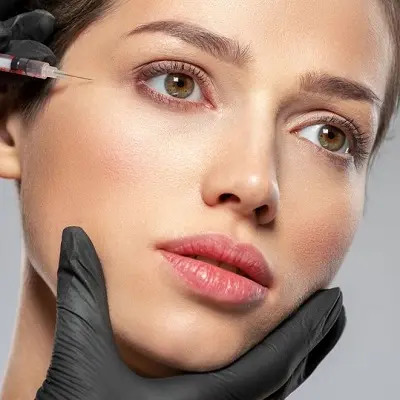
Botox Injections and Facial Expression Changes Explained
Posted On Oct 18, 2025Get smoother, younger-looking skin with Botox injections. Safe, effective, and FDA-approved treatment to reduce wrinkles and fine lines for a refreshed appearance.
Botox Injections in Oman have become widely recognized for their ability to reduce wrinkles and refresh the appearance. However, one of the most common questions from first-time patients is how Botox may affect facial expressions. Many people worry about looking “frozen” or unnatural after treatment. Understanding how Botox works and how it interacts with facial muscles can help patients make informed decisions and achieve natural, confident results.
This article provides a detailed look at the science behind Botox, its effects on facial expressions, what to expect during treatment, and answers common concerns for anyone considering Botox.
How Botox Works
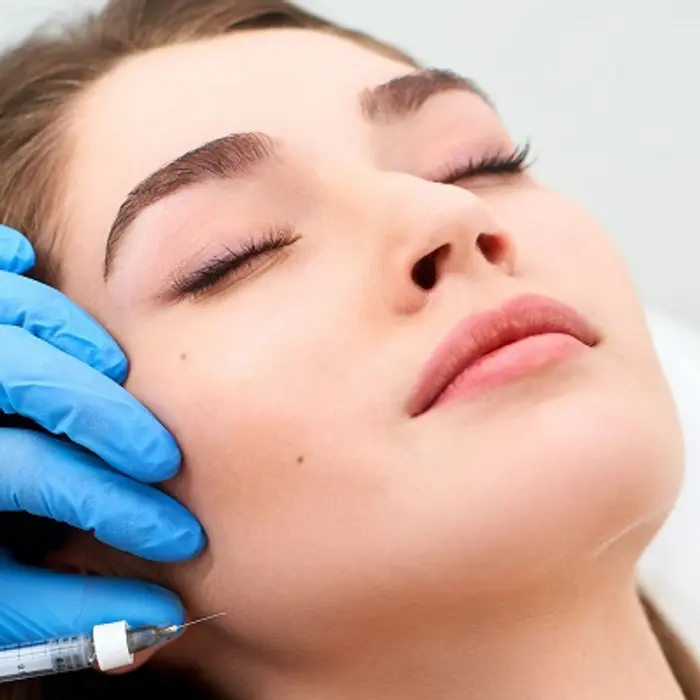
Botox is a purified form of botulinum toxin type A. When injected into targeted facial muscles, it temporarily blocks the nerve signals that cause those muscles to contract. This relaxation prevents the repeated muscle movements responsible for dynamic wrinkles—lines that form when making expressions like frowning, squinting, or raising eyebrows.
The effects of Botox are localized, which means only the treated muscles are affected, while surrounding muscles continue to function normally. This targeted action is what allows Botox to smooth wrinkles while preserving most natural facial movements when administered correctly.
Botox and Facial Expressions
One of the key concerns for new patients is the potential impact of Botox on their ability to express emotions naturally. Understanding the relationship between Botox and facial expressions can help address these fears.
1. Preserving Natural Movement
When Botox is administered by trained professionals, it is strategically placed in small doses to reduce unwanted wrinkles without over-paralyzing the muscles. The goal is to maintain a natural look while softening lines. For example:
Forehead lines: Subtle injections relax the forehead muscles enough to prevent deep horizontal wrinkles but still allow eyebrow movement.
Frown lines: Botox softens vertical lines between the eyebrows while allowing expression like surprise or concern.
Crow’s feet: Muscles around the eyes are treated to reduce wrinkles during smiling without eliminating the ability to smile naturally.
2. Avoiding the “Frozen” Look
The frozen look often associated with Botox usually results from either too high a dose or incorrect placement of injections. Skilled practitioners use precise techniques and small amounts of Botox to target only the necessary muscles, ensuring a balanced and expressive appearance.
3. Gradual Adjustment
Botox does not produce immediate total paralysis of facial muscles. Its effects gradually appear over several days, allowing patients and practitioners to assess the treatment and make adjustments in follow-up sessions if needed. This gradual onset helps maintain natural facial dynamics.
Factors Affecting Facial Expression Changes
Several factors determine how Botox may influence facial expressions:
Dosage: Smaller, carefully measured doses reduce the risk of over-relaxing muscles.
Muscle strength: Individuals with stronger or more active muscles may require slightly higher doses, but careful planning ensures natural results.
Injection technique: Proper placement is essential for maintaining balance between smooth skin and expressive movement.
Patient goals: Open communication about desired results helps guide treatment and avoid unwanted restrictions on expressions.
Recovery and Observing Results
After receiving Botox injections in Oman, recovery is minimal. Patients can typically resume normal activities immediately, although it is recommended to avoid rubbing the treated area or engaging in strenuous exercise for a few hours.
During the first few days, subtle changes in facial expressions may be noticeable as muscles begin to relax. Full effects are usually visible within two weeks. Patients often report that they still look natural but with a smoother, refreshed appearance.
Common Concerns and Misconceptions
1. Will I lose the ability to express emotions?
No. Properly administered Botox softens lines without eliminating expression. Patients retain the ability to smile, frown, or raise eyebrows naturally.
2. Is Botox only for older individuals?
Not at all. Many younger adults choose Botox preventively to reduce early fine lines and maintain smooth, youthful skin.
3. Does Botox feel uncomfortable?
Most patients experience only mild discomfort, often described as a brief pinch during injections. Topical numbing creams can further minimize discomfort.
4. Can Botox be combined with other treatments?
Yes. Many patients combine Botox with dermal fillers, chemical peels, or laser treatments for comprehensive facial rejuvenation while maintaining natural expressions.
5. Are side effects common?
Side effects are typically minor and temporary, including slight redness, swelling, or mild bruising at injection sites. Serious side effects are rare when performed by trained professionals.
6. How long does Botox last?
Results typically last three to four months, after which muscle activity gradually returns, and follow-up treatments may be scheduled. Regular sessions allow for maintenance of smooth skin and natural-looking results.
FAQs About Botox and Facial Expressions
1. Can Botox make my face look stiff or unnatural?
If administered correctly with precise doses, Botox enhances facial appearance without making expressions look stiff or unnatural.
2. How soon after treatment will I see changes?
Initial effects are noticeable within 3–5 days, with full results visible in about two weeks.
3. Can men benefit from Botox too?
Yes. Men frequently use Botox to reduce forehead lines, frown lines, and crow’s feet while retaining a natural, masculine appearance.
4. Are follow-up sessions necessary?
Yes. Botox is temporary, typically lasting 3–4 months, and regular treatments help maintain results.
5. Can I smile or frown immediately after Botox?
Yes. Mild muscle movement is possible immediately after treatment, although patients are advised to avoid massaging treated areas for a few hours.
6. What should I communicate to my practitioner before treatment?
Share your goals, concerns about expressions, and any medical history. This ensures a customized treatment plan for natural results.
Final Thoughts
Understanding how Botox injections in Oman interact with facial muscles is key for anyone considering the treatment. Botox does not eliminate expression—it softens wrinkles while allowing natural movement when administered by a trained professional.
For first-time patients, knowledge about dosage, technique, and recovery can alleviate concerns about looking “frozen” or unnatural. By choosing a skilled practitioner and following post-treatment guidance, patients can enjoy a smoother, refreshed appearance without compromising the ability to express emotions.
Ultimately, Botox is a versatile tool for both cosmetic enhancement and preventive skincare. When approached thoughtfully, it helps maintain youthful, expressive, and confident facial aesthetics, making it one of the most sought-after non-invasive treatments available today.
;)