Enfield Royal Clinic Oman

 Home
Home  About Enfield Royal Clinic Oman
  Treatments
  Make An Enquiry





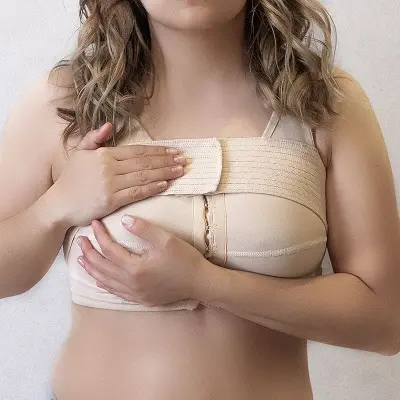
Breast Lift Surgery and Weight Changes Impact Explained
Posted On May 23, 2026Learn about breast lift surgery, its benefits, procedure, recovery, risks, and results. Discover if a mastopexy is right for restoring youthful shape today.
Breast appearance can naturally change over time due to aging, pregnancy, breastfeeding, genetics, and fluctuations in body weight. Among the most commonly chosen cosmetic procedures to address sagging and loss of firmness is Breast Lift Surgery in Oman, a treatment designed to restore a more youthful breast shape by repositioning and reshaping the breast tissue.
One of the most frequently discussed concerns among individuals considering this procedure is how weight changes after surgery can influence long-term results. Since the breasts are composed largely of fatty and glandular tissue, body weight fluctuations can significantly affect their size, shape, and firmness—even after surgical correction.
This article explores Breast Lift Surgery in detail and explains how weight gain or loss may impact surgical outcomes, helping readers make informed decisions about body changes and long-term care.
Understanding Breast Lift Surgery and Its Purpose
Breast Lift Surgery, medically known as mastopexy, is a cosmetic procedure designed to elevate and reshape sagging breasts. Over time, skin loses elasticity and gravity causes breast tissue to descend. This can lead to drooping nipples, stretched skin, and a loss of youthful contour.
The main goal of Breast Lift Surgery is not to significantly change breast size but to improve position and shape. The procedure typically involves:
- Removing excess skin
- Tightening surrounding tissue
- Repositioning the nipple and areola
- Reshaping breast contours for a firmer appearance
While it does not dramatically increase volume, it can be combined with breast augmentation or reduction if additional size adjustments are desired. The results are often more lifted, symmetrical, and proportionate breasts.
How Breast Lift Surgery Works
The process of Breast Lift Surgery is carefully planned based on the degree of sagging and the individual’s breast structure. Surgeons evaluate skin elasticity, nipple placement, and breast volume before determining the most suitable surgical approach.
During the procedure:
- An incision pattern is selected depending on the level of correction needed.
- Excess skin is removed to reduce sagging.
- Internal breast tissue is reshaped to create better support.
- The nipple-areola complex is repositioned to a more natural height.
- The remaining skin is tightened to complete the lifted appearance.
Recovery typically involves swelling and mild discomfort in the first few weeks, followed by gradual improvement in breast shape as healing progresses. The final results become more visible over several months.
The success of the procedure depends not only on surgical technique but also on post-surgery lifestyle habits, including weight stability.
Weight Changes and Their Impact on Breast Shape After Surgery
Weight fluctuations play a major role in the long-term appearance of breasts after a lift. Since breast tissue contains fat, any gain or loss in body weight can affect both size and firmness.
After Breast Lift Surgery, maintaining a stable weight is one of the most important factors in preserving results. When body weight remains consistent, the breasts are more likely to retain their lifted position and shape for many years.
However, significant changes in weight can stretch or shrink breast tissue, potentially altering surgical outcomes. Even though the underlying breast structure has been reshaped, the skin and fat layers still respond to overall body composition changes.
For this reason, individuals are often encouraged to adopt a balanced lifestyle after surgery to support long-term aesthetic results.
Weight Gain After Breast Lift Surgery
Weight gain after Breast Lift Surgery in Oman can lead to noticeable changes in breast appearance. Since breasts naturally store fat, an increase in body weight often results in larger breast volume.
This may cause:
- Increased breast size and fullness
- Additional stretching of the skin
- Reduced firmness over time
- Potential recurrence of mild sagging
In some cases, moderate weight gain may enhance fullness in a desirable way, but significant or rapid weight gain can place stress on the breast tissue and skin. This may gradually compromise the lifted contour achieved through surgery.
It is also important to note that fat distribution varies from person to person. Some individuals may notice more fat accumulation in the breast area, while others may experience changes in other parts of the body.
Overall, maintaining a healthy and stable weight helps protect the long-term benefits of Breast Lift Surgery.
Weight Loss After Breast Lift Surgery
Weight loss can also influence the results of Breast Lift Surgery, sometimes in ways that patients do not anticipate. Since breasts contain fatty tissue, losing weight can reduce breast volume.
This may lead to:
- Decrease in breast size
- Looser or less firm appearance
- Reduced upper breast fullness
- Mild recurrence of sagging in some cases
When weight loss is gradual and moderate, the changes are usually minimal and more manageable. However, significant weight loss can reduce the amount of breast tissue that was previously reshaped during surgery, potentially altering the lifted look.
For individuals planning major weight loss, it is often recommended to reach a stable weight before undergoing Breast Lift Surgery. This helps ensure that the results remain consistent over time.
Long-Term Results and Factors That Affect Outcomes
The longevity of Breast Lift Surgery in Oman results depends on several factors beyond weight changes. While the procedure provides long-lasting improvement, the natural aging process continues to affect skin elasticity and tissue firmness.
Key factors influencing long-term outcomes include:
- Skin quality and elasticity: Firmer, more elastic skin tends to maintain results better.
- Age: Younger skin may adapt and hold shape more effectively.
- Genetics: Natural tissue structure plays a role in how breasts age over time.
- Hormonal changes: Pregnancy and breastfeeding can alter breast shape.
- Lifestyle habits: Smoking, poor nutrition, and lack of support can impact skin health.
Even though Breast Lift Surgery cannot stop aging, it can significantly delay visible signs of sagging when combined with healthy habits and stable weight management.
Maintaining Results After Breast Lift Surgery
Long-term maintenance is essential for preserving the outcome of Breast Lift Surgery. While surgical correction provides immediate improvement, ongoing care helps extend the benefits.
Helpful strategies include:
- Maintaining a stable body weight
- Wearing supportive bras, especially during physical activity
- Following a balanced diet rich in vitamins and protein
- Staying hydrated to support skin elasticity
- Avoiding smoking, which can weaken skin structure
- Engaging in regular, moderate exercise
These habits help reduce stress on breast tissue and support overall skin health, contributing to longer-lasting results.
Frequently Asked Questions (FAQs)
1. How long do results of Breast Lift Surgery typically last?
The results can last many years, often a decade or longer, depending on factors such as aging, weight stability, and skin quality. While gravity and natural aging continue, maintaining a stable lifestyle helps extend the lifted appearance.
2. Can weight gain reverse the results of Breast Lift Surgery?
Significant weight gain may stretch the skin and increase breast size, which can gradually affect the lifted shape. However, the internal reshaping from surgery remains intact, even if external changes occur.
3. Is it better to lose weight before or after Breast Lift Surgery?
It is generally recommended to reach a stable, healthy weight before undergoing Breast Lift Surgery. This helps ensure that results are more predictable and long-lasting.
4. Will Breast Lift Surgery make breasts smaller?
The procedure does not primarily reduce breast size. However, some individuals may notice a slight decrease in volume due to removal of excess skin and reshaping of tissue.
5. Can pregnancy affect Breast Lift Surgery results?
Yes, pregnancy and breastfeeding can stretch breast tissue and change volume, which may impact the surgical outcome. Many individuals choose to undergo the procedure after completing their family planning.
6. How important is wearing a bra after Breast Lift Surgery?
Supportive bras are very important, especially during recovery and physical activity. They help maintain breast shape, reduce strain on healing tissue, and support long-term results.
Breast Lift Surgery offers a powerful way to restore youthful breast contours, but long-term success depends on both surgical skill and lifestyle choices. Among these, maintaining a stable weight plays one of the most critical roles in preserving results. By understanding how weight changes affect the body, individuals can better protect their surgical outcomes and enjoy long-lasting confidence.
Read More About Breast Lift Surgery: https://www.citymapia.com/muscat/enfield-royal-clinic-oman/blog/ideal-age-considerations-for-26180




;)