Enfield Royal Clinic Oman

 Home
Home  About Enfield Royal Clinic Oman
  Treatments
  Make An Enquiry





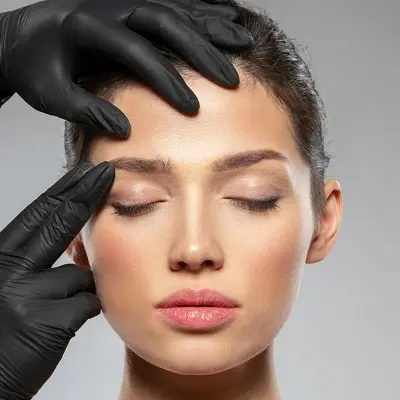
Brow Lift Recovery: Tips for a Smooth Healing Process
Posted On Mar 12, 2026Enhance your facial appearance with a brow lift. Reduce forehead lines, lift sagging brows, and achieve a youthful, refreshed look safely and effectively.
A brow lift is a popular cosmetic procedure designed to rejuvenate the upper face by lifting sagging eyebrows, smoothing forehead lines, and creating a refreshed, youthful appearance. For those considering a Brow Lift in Oman, understanding the recovery process is just as important as understanding the surgery itself. Proper care and attention during the healing period can make the difference between a smooth recovery and unnecessary complications. This guide offers expert tips and insights for a comfortable and successful recovery.
Understanding Brow Lift Recovery
Recovery after a brow lift is a gradual process that varies depending on the surgical technique used, the patient’s overall health, and adherence to post-operative instructions. Common post-surgery symptoms include swelling, bruising, mild discomfort, and temporary numbness in the forehead and scalp. These effects are normal and typically diminish over several weeks. While initial improvements are visible soon after surgery, the final results may take a few months as tissues settle and swelling fully resolves.
Being patient and following a structured recovery plan is essential to achieving optimal results and reducing the risk of complications.
Immediate Post-Surgery Care
The first few days after a brow lift are critical for recovery. Proper care during this period can significantly improve comfort and healing. Key steps include:
Head elevation: Keeping the head elevated while resting or sleeping helps minimize swelling and encourages better circulation. Using extra pillows or sleeping in a recliner can be helpful.
Cold compresses: Applying cold packs to the forehead intermittently during the first 48 hours helps control swelling and reduce discomfort. Avoid direct contact with the skin to prevent irritation.
Medication management: Pain relievers and anti-inflammatory medications, as prescribed, should be taken according to instructions to keep discomfort at a minimum.
Avoiding strenuous activity: Lifting, bending, or vigorous exercise can increase blood flow to the forehead, which may worsen swelling or bleeding.
Caring for Incisions and Scars
Incision care is an essential part of recovery and helps ensure minimal visible scarring. Depending on the technique, incisions are usually hidden along the hairline or natural forehead creases. Tips for caring for incisions include:
Keep the area clean and dry: Follow instructions for gentle cleansing and avoid soaking the area until approved.
Sun protection: Avoid direct sunlight on the incision for several months. Sun exposure can darken scars and slow healing.
Monitor for infection: Redness, unusual swelling, or discharge should be reported promptly.
Avoid pressure or friction: Do not rub the forehead or wear tight headgear that could irritate the surgical site.
Managing Swelling and Bruising
Swelling and bruising are expected parts of the healing process but can be managed effectively with a few strategies:
Cold therapy during the first 48 hours: Helps reduce initial swelling.
Warm compresses after swelling decreases: Improve blood flow and promote healing.
Proper hydration and nutrition: Adequate water intake and a balanced diet rich in protein and vitamins support tissue repair.
Gentle facial movements: Approved exercises may help reduce stiffness, but only under guidance from a professional.
Pain Management and Comfort Tips
Discomfort is usually mild after a brow lift, but these tips can make recovery more comfortable:
Take medications as directed: Only use over-the-counter medications if approved by the healthcare provider.
Rest frequently: Adequate rest allows the body to focus energy on healing.
Use supportive pillows and soft bedding: Proper head and neck support prevents unnecessary strain.
Avoid alcohol and smoking: Both can interfere with healing and increase the risk of complications.
Returning to Daily Activities
Most patients can resume light activities and work within one to two weeks, though more physically demanding activities should be postponed for at least three to four weeks. Tips for returning to daily life include:
Gradual reintegration: Start with light tasks and slowly increase activity as comfort allows.
Protect the forehead: Avoid movements or exercises that risk impact to the surgical area.
Maintain healthy habits: Nutrition, hydration, and adequate sleep support ongoing recovery.
Follow-up appointments: Regular check-ins ensure proper healing and allow early intervention if any issues arise.
Long-Term Care and Maintaining Results
A brow lift provides long-lasting results, but proper maintenance helps prolong the benefits:
Sun protection: Regular use of sunscreen and protective hats prevents premature aging and protects incision areas.
Gentle skincare routine: Cleansing, moisturizing, and using products suitable for sensitive skin help maintain smooth, youthful-looking skin.
Healthy lifestyle choices: Avoiding smoking, managing stress, and maintaining a balanced diet all contribute to long-term results.
Periodic evaluations: Occasional check-ins may be recommended to ensure optimal appearance as natural aging continues.
Frequently Asked Questions (FAQs)
1. How long does swelling last after a brow lift?
Swelling is most noticeable in the first week but usually decreases significantly within two to three weeks. Minor swelling may persist for a few months.
2. When can makeup be applied after surgery?
Makeup should generally be avoided for at least one to two weeks or until the incisions have healed sufficiently.
3. Are results immediately visible?
Initial improvements can be seen shortly after surgery, but the final results take several weeks to become fully apparent as swelling subsides.
4. Can a brow lift be combined with other procedures?
Yes, brow lifts are often combined with eyelid surgery, facelifts, or non-surgical treatments for comprehensive facial rejuvenation.
5. How long before normal exercise can resume?
Strenuous exercise should be avoided for at least three to four weeks. Light activity, like walking, is usually acceptable after the first week if comfortable.
6. Is there a risk of scarring or complications?
Scarring is usually minimal and hidden along the hairline or natural folds. Rare complications may include infection, asymmetry, or prolonged numbness.
7. Who is an ideal candidate for a brow lift in Oman?
Ideal candidates are adults with sagging brows or forehead wrinkles, in good overall health, and with realistic expectations about the results.
Recovering from a brow lift in Oman requires patience, careful care, and attention to lifestyle factors. By following these tips, individuals can minimize complications, support healing, and enjoy long-lasting, rejuvenating results. A smooth recovery sets the stage for a refreshed, youthful appearance and improved confidence.
Read More About Brow Lift: https://www.citymapia.com/muscat/enfield-royal-clinic-oman/blog/top-brow-lift-trends-in-2026-22427

;)